
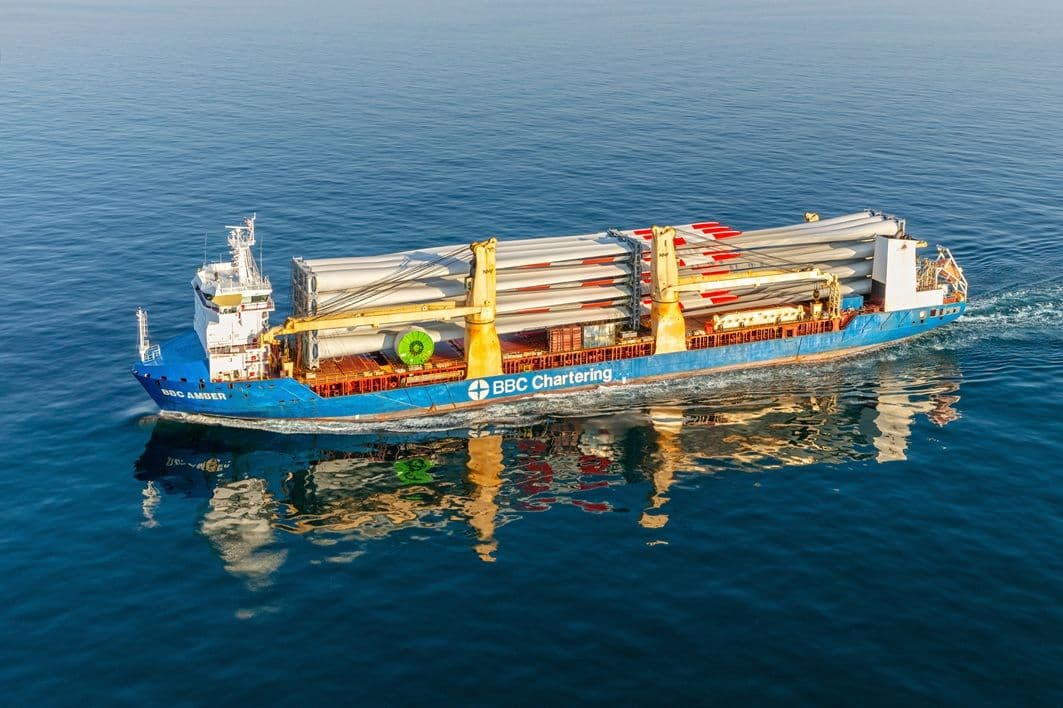
MPV Operators Push Back Against a Wave of 'Mind-Blowing' Environmental Rules
The multipurpose vessel (MPV) sector is at a breaking point. Operators across the industry are speaking out with growing frustration over what many are calling an overwhelming tangle of new environmental regulations — rules they say are poorly coordinated, inconsistently applied, and lacking any clear roadmap for the future. The result is a sector grinding to a halt on new ship orders, paralyzed not by a lack of ambition, but by a fundamental lack of direction.
At the heart of the crisis lies a deceptively simple question that the global shipping industry has so far failed to answer convincingly: which green fuel will actually power the next generation of MPV fleets? Until that question is resolved, shipowners and operators say they cannot justify the enormous capital investment required to commission new vessels — and regulators, they argue, are doing very little to help them decide.
A Regulatory Landscape Nobody Can Navigate
Maritime environmental regulation has always been complex, but operators say the pace and volume of new rules introduced over the past several years has reached an entirely new level of difficulty. From the International Maritime Organization's Carbon Intensity Indicator (CII) ratings to the European Union's inclusion of shipping in its Emissions Trading System (ETS), and from FuelEU Maritime to oncoming methane and nitrous oxide emission targets, the layers of compliance requirements are multiplying faster than most companies can absorb them.
Industry voices have described the current regulatory environment as "mind-blowing" — a word that captures the sheer cognitive and operational burden being placed on vessel operators who are trying to run commercially viable businesses while simultaneously navigating a shifting patchwork of international, regional, and national green mandates. Many of these rules were developed in parallel by different bodies, with limited coordination, creating situations where compliance with one framework can inadvertently complicate compliance with another.
For MPV operators specifically, this regulatory complexity hits harder than it might for other shipping segments. Multipurpose vessels serve diverse trade routes and cargo types, making standardized compliance solutions more difficult to apply. A bulker or container ship following a fixed corridor may have clearer options for retrofitting or fuel switching; an MPV moving between dozens of ports across multiple regulatory jurisdictions faces a far more complicated calculus.
The Green Fuel Question Nobody Is Answering
Perhaps the most damaging aspect of the current situation is not the regulations themselves, but the absence of a clear consensus on which alternative fuel the industry should be investing in. Methanol, ammonia, liquefied natural gas (LNG), hydrogen, biofuels — each has its advocates, its early adopters, and its significant drawbacks. None has emerged as an unambiguous winner, and regulators have been reluctant or unable to declare a preferred pathway.
This uncertainty is fatal to long-term capital planning. Ships have operational lifespans of 20 to 25 years. A vessel ordered today and built to run on LNG could be a stranded asset within a decade if the regulatory landscape tilts sharply toward ammonia or methanol. Shipowners are not being irrational when they hesitate — they are being prudent in the face of genuine, unresolved technological and policy risk.
The lack of bunkering infrastructure for most alternative fuels only deepens the problem. Even if an operator were prepared to commit to, say, green methanol, the global network of supply points remains sparse and unreliable. Investing in a dual-fuel vessel capable of running on a fuel that is not consistently available at the ports you call on is a significant commercial gamble.
The Knock-On Effect: A Drought in New Ship Orders
The practical consequence of this regulatory and technological uncertainty is already visible in the order books. New MPV orders have slowed significantly, with operators choosing to extend the service lives of existing vessels rather than commit to new builds whose compliance credentials may be obsolete before they are even delivered. This deferral of investment has knock-on effects across the entire maritime supply chain, from shipyards struggling for orders to equipment suppliers and classification societies facing reduced business volumes.
There is also a longer-term competitive risk buried in this inaction. If the MPV sector delays fleet renewal too long, it risks falling structurally behind other shipping segments that have been quicker to embrace newbuild programs with alternative fuel capabilities. The window for ordered, managed transition is narrowing — and the longer operators wait, the more disruptive and expensive the eventual transition is likely to be.
What Operators Are Demanding
The industry is not asking regulators to abandon their environmental ambitions. On the contrary, most MPV operators recognize that decarbonization is both necessary and inevitable. What they are demanding is clarity, consistency, and collaboration. Specifically, operators have called for:
A unified international framework that reduces the risk of conflicting regional regulations pulling operators in opposite directions simultaneously.
Clear policy signals — backed by infrastructure investment commitments — around which alternative fuels will be supported at scale and on what timeline.
Transition support mechanisms, including potential financing instruments or carbon pricing revenue recycling, to help smaller operators absorb the cost of fleet modernization.
Greater industry-regulator dialogue, with shipping companies meaningfully consulted before new rules are finalized rather than simply handed down.
The Path Forward for MPV Shipping
The frustration boiling over in the MPV sector is a warning signal that the broader shipping industry and its regulators cannot afford to ignore. Decarbonization of maritime transport is a critical global priority, but ambition without coherence produces paralysis rather than progress. When operators describe environmental regulations as "mind-blowing," they are not resisting change — they are describing a system that has become so complex and contradictory that it is actively preventing the investments necessary to achieve the green outcomes everyone claims to want.
The coming years will be decisive. Regulators who move quickly to provide the clarity and coordination the MPV sector is demanding will unlock a wave of investment in cleaner, more modern vessels. Those who continue to pile rule upon rule without a coherent strategic framework risk deepening a shipbuilding drought that ultimately sets back the maritime energy transition rather than accelerating it. The MPV operators speaking out today are not obstacles to progress — they may well be its most important early warning system.