
Ocean Freight Rates on India-Europe Trade Lanes Are Climbing Fast
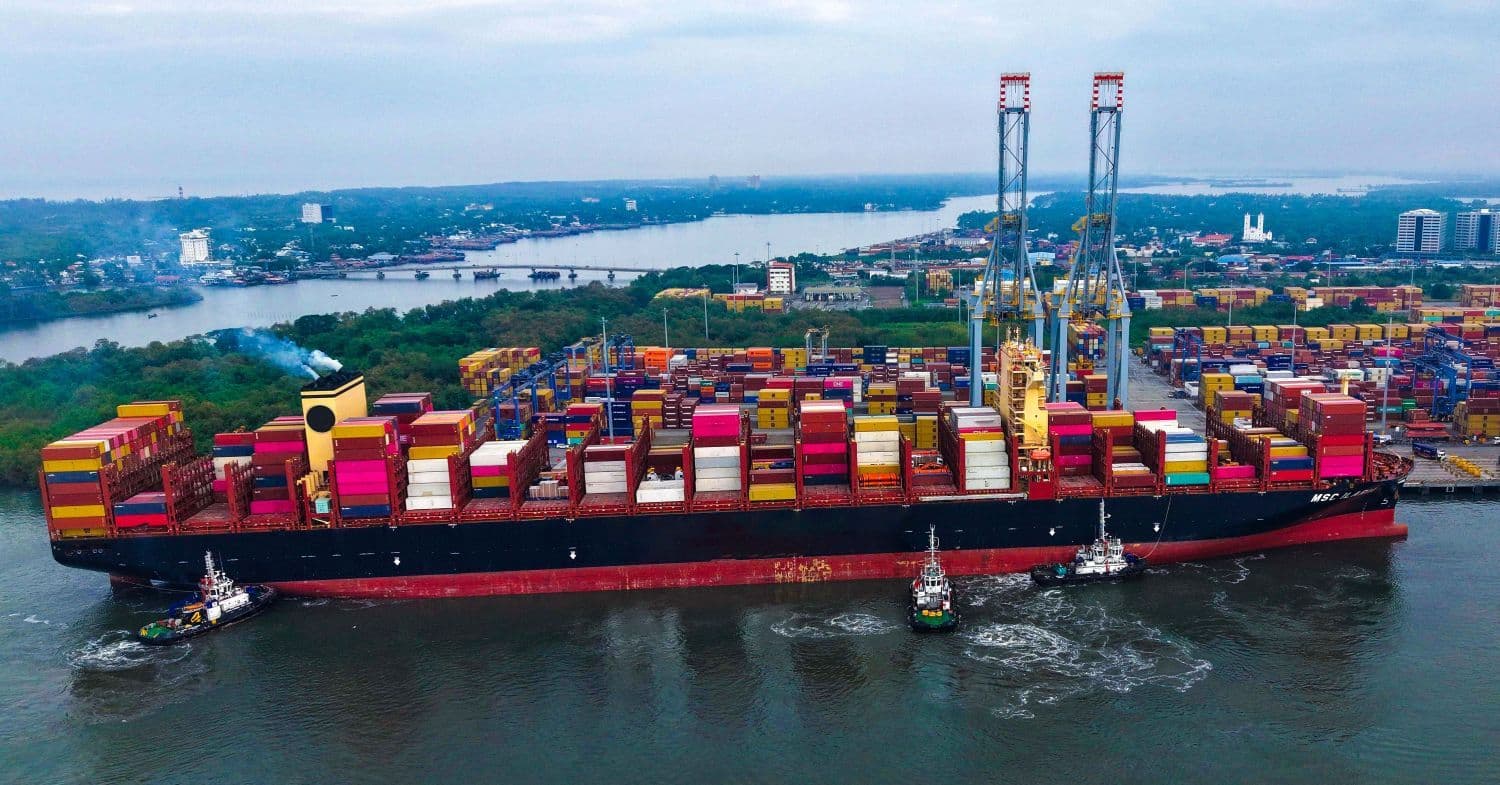
The India-Europe ocean freight market is experiencing a significant tightening of capacity, with spot booking windows closing on major trade lanes as upcoming sailings fill up well ahead of schedule. According to multiple freight forwarder sources, vessels operating on key India-Europe services are heavily overbooked, prompting carriers to shut the door on spot bookings until early-July departures at the earliest. For shippers who rely on flexible, last-minute freight arrangements, this development signals a serious disruption — and a likely upward pressure on rates that could persist through the summer months.
This capacity crunch is more than a seasonal blip. It reflects a convergence of structural and market forces that are reshaping how cargo moves between the Indian subcontinent and European ports. Understanding what is driving this squeeze — and what it means for businesses on both ends of the trade lane — is essential for logistics managers, importers, exporters, and supply chain professionals planning their freight strategies in the months ahead.
Why Spot Booking Windows Are Closing on India-Europe Services
When carriers close spot booking windows, it is almost always a signal that demand is outpacing available capacity on a given route. On the India-Europe trade lane, forwarder sources confirm that most upcoming vessels are already fully committed, leaving no room for ad hoc or open-market shipments until early July sailings become available. This kind of booking closure is a relatively uncommon occurrence, and its emergence here underscores just how tight the market has become.
Several factors are contributing to this capacity crunch simultaneously. Vessel deployment decisions made by major carriers earlier in the year, combined with a spike in export demand from India, have created a mismatch between supply and demand. Carriers have not dramatically scaled up capacity on this trade lane in the short term, meaning that any uptick in cargo volumes quickly translates into overbooking and rate increases.
Rising Export Volumes from India
India's export sector has been experiencing robust growth across multiple industries, including textiles, pharmaceuticals, engineering goods, chemicals, and electronics. European demand for Indian manufactured goods has remained steady or grown, supporting consistent cargo flows westward. As Indian manufacturers and exporters ramp up production and seek to move goods into European markets ahead of peak retail and inventory cycles, the pressure on westbound sailings intensifies considerably.
Carrier Capacity Constraints and Network Adjustments
Major ocean carriers have been managing their global fleets with an eye on profitability, which has meant careful calibration of capacity deployment rather than aggressive expansion. On the India-Europe corridor, this has translated into services that can fill up quickly when demand spikes. Blank sailings — where scheduled departures are cancelled — during earlier parts of the year may also have reduced effective supply, compounding the current shortage of available space.
Red Sea Disruptions and Routing Impacts
It is also worth noting that ongoing security concerns in the Red Sea continue to affect global shipping routes. Many carriers routing cargo between Asia and Europe have been forced to divert vessels around the Cape of Good Hope, adding significant transit time and effectively removing vessel capacity from the market. While India-specific lanes have varying degrees of exposure to Red Sea routing, the ripple effects of capacity being stretched across longer voyages contribute to tighter availability on connecting and overlapping trade lanes, including those serving Indian ports.
What This Means for Shippers and Freight Rates
The closure of spot booking windows is a direct consequence of overbooking, and it has immediate practical implications for businesses looking to move cargo from India to Europe in the near term. Shippers who have not secured space under long-term contracts or allocated volume agreements with carriers may find themselves unable to book at all until early July, effectively delaying shipments by several weeks. In industries where timing is critical — such as fashion, perishables, or just-in-time manufacturing supply chains — this kind of delay can have significant downstream consequences.
On the pricing front, the reduced spot market availability almost invariably pushes rates higher. When carriers can fill their vessels without accepting lower spot rates, the leverage shifts firmly in their favor. Spot rates on India-Europe trade lanes are therefore expected to continue rising in the near term, with forwarders and shippers facing elevated costs if they need to secure space on short notice. Contract shippers may be partially insulated, but even contracted rates can face upward renegotiation pressure in a sustained tight market.
Advice for Shippers Navigating the Current Market
- Book early and secure long-term agreements: Shippers who have not already done so should prioritize locking in space with carriers through volume commitments or medium-term contracts. Waiting for spot opportunities in the current environment is a high-risk strategy that could result in significant shipping delays and cost overruns.
- Work closely with freight forwarders: Experienced forwarders often have access to capacity through partnerships and allocation agreements that are not visible on the open spot market. Leaning on forwarder relationships can open options that would otherwise be unavailable.
- Review and adjust inventory planning: Given the likelihood of extended lead times, supply chain managers should revisit inventory buffers and order cycles to account for the possibility of shipping delays through at least the first half of July.
- Explore alternative routing options: Depending on cargo type and urgency, shippers may want to explore partial air freight consolidation for high-value goods, or consider transshipment options through alternative hub ports that may have slightly better vessel availability.
- Monitor market developments closely: The freight market can shift relatively quickly. Staying informed through forwarder updates, carrier announcements, and industry publications will help businesses make more agile booking decisions as conditions evolve.
Looking Ahead: Will Capacity Return to the India-Europe Trade Lane?
The key question for logistics professionals is whether this tightening is temporary or a sign of a more prolonged structural imbalance. On balance, most market observers would expect some relief to emerge as carriers assess yield performance and potentially introduce additional capacity into the India-Europe corridor if rates remain elevated. Carriers are ultimately incentivized to capture high-freight-rate opportunities, and sustained overbooking on a trade lane often prompts fleet redeployment or the addition of extra loader sailings.
However, if demand from Indian exporters remains strong and Red Sea disruptions continue to suppress effective global fleet capacity, the recovery of available space may be slower than shippers would hope. Early-July sailings are currently the earliest window at which spot bookings are expected to reopen, but this timeline could shift depending on how quickly current vessels clear and how cargo volumes trend heading into mid-summer.
Final Thoughts
The surge in ocean freight rates and the closure of spot booking windows on the India-Europe trade lane is a clear signal that the market is operating under significant stress. For businesses moving goods between India and Europe, proactive planning, strong forwarder relationships, and a willingness to adapt logistics strategies are more important than ever. The capacity squeeze may ease in time, but for now, those who wait for the market to open up risk falling behind on their shipping timelines and paying a premium when space does become available.
Staying ahead in a tight freight market requires information, preparation, and the right partnerships. Now is the time to act decisively rather than wait for conditions to normalize on their own.