
One Crash, Three Trucking Firms Found Liable: What California's Nuclear Verdict Means for the Industry
A California jury has handed down a stunning $52.1 million nuclear verdict against not one, but three trucking companies arising from a single motorcycle crash. The case, decided in Los Angeles Superior Court, is sending shockwaves through the trucking industry — and it's not hard to see why. Beyond the eye-popping dollar figure, the verdict carries a sobering message for any motor carrier that subcontracts freight work, hires independent owner-operators, or participates in layered logistics arrangements: liability can travel up and down the supply chain, and it can reach you even if your driver was never directly on your payroll.
What Happened: The Crash That Sparked a $52.1 Million Verdict
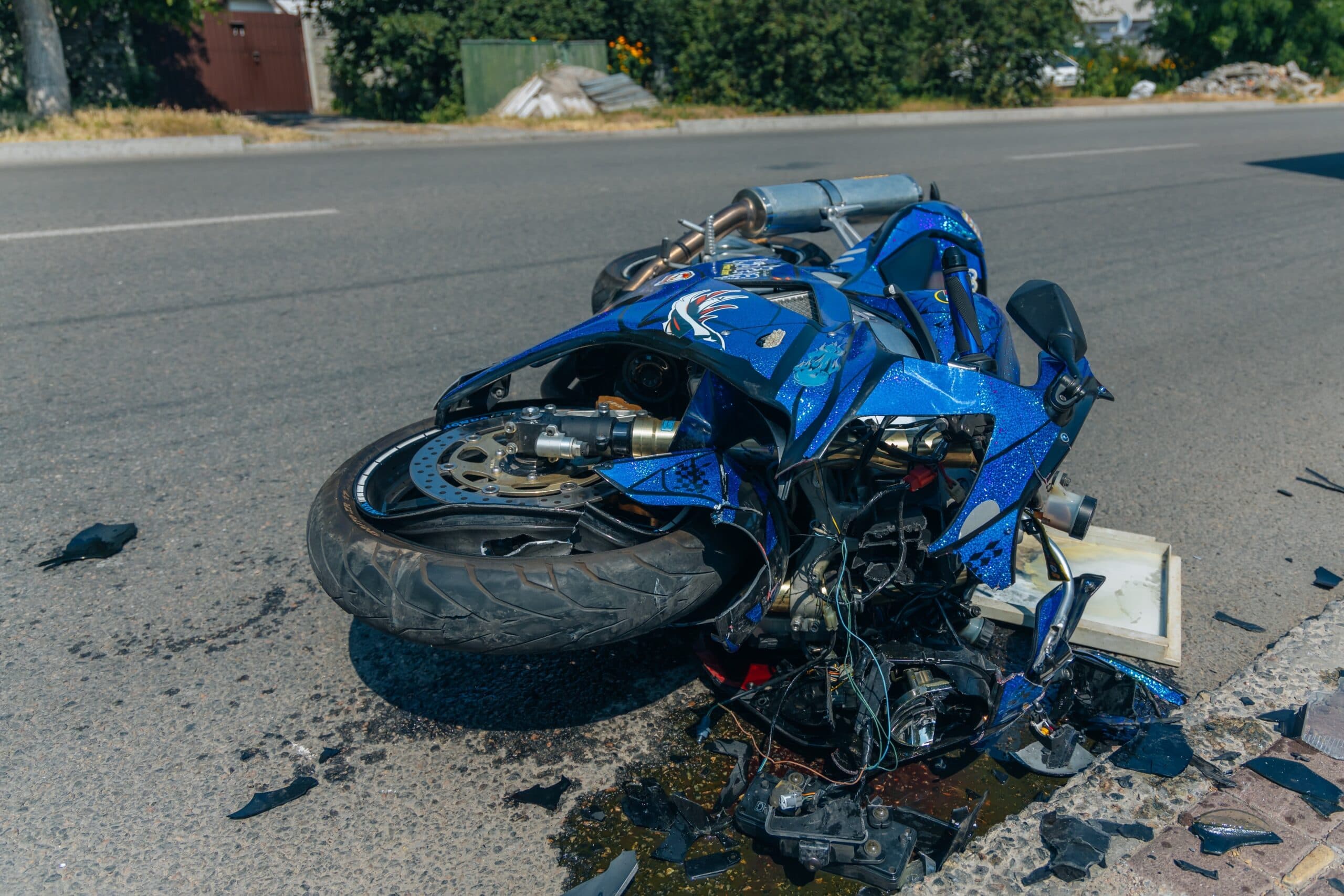
In August 2021, Chad Perrigo was riding his motorcycle through Santa Clarita, California, when he was struck by a commercial truck driven by Jorge Castaneda Rodriguez. Rodriguez was operating a truck owned by Montecristo Trucking and was carrying a load that had originated with the U.S. Postal Service — a load that had been subcontracted out not once, but twice before it landed with Rodriguez and Montecristo Trucking.
The jury ultimately awarded $52.1 million to Chad Perrigo and his wife Alexa Perrigo, holding three separate trucking entities liable under the legal doctrine of vicarious responsibility. As Judge Michele Flurer instructed the jury, vicarious responsibility means that "an employer is responsible for harm caused by the wrongful conduct of its employees while acting within the scope of their employment."
That definition, applied across multiple tiers of a subcontracting chain, is what made this verdict so consequential — and so alarming for the broader trucking sector.
Hours of Service Violations: The Key to the Jury's Decision
According to Khail A. Parris, a partner at the PARRIS law firm who represented the Perrigo family, the case hinged on a critical argument: that driver Rodriguez was in violation of federal Hours of Service (HOS) regulations at the time of the crash.
HOS rules exist for a straightforward reason — fatigued driving is dangerous driving. Federal regulations limit the number of consecutive hours a commercial truck driver can operate a vehicle, and violations of those rules have historically played a central role in trucking litigation. When a plaintiff's attorney can demonstrate that a driver was operating beyond legally permitted hours, it not only strengthens the negligence claim against the driver but can also expose the companies up the chain to significant legal risk.
In this case, the HOS violation became the thread that tied all three trucking firms to the crash and, ultimately, to the verdict. It is a stark reminder that compliance with federal safety regulations is not merely a matter of avoiding fines from the FMCSA — it is a frontline defense against catastrophic civil liability.
Vicarious Liability and the Subcontracting Problem
One of the most important takeaways from this verdict is what it reveals about the legal risks embedded in common trucking industry practices. Subcontracting freight — passing loads down from one carrier to another, or engaging independent owner-operators — is a routine and often necessary part of how trucking capacity is managed in the United States. But this case illustrates that those business arrangements can create legal exposure that extends well beyond the immediate relationship between a shipper and a carrier.
When a load changes hands two or three times before it arrives at its destination, and something goes wrong along the way, the question of who bears responsibility becomes enormously complicated — and, as this verdict shows, potentially enormously expensive. Courts are increasingly willing to look past direct employment relationships and examine the broader web of control, instruction, and financial interest that connects parties in a freight transaction.
This case has notable parallels to the legal landscape reshaping how brokers and third-party logistics providers think about liability, particularly in the wake of high-profile decisions that have examined how far liability can spread across the freight supply chain. While no brokers were involved in the Perrigo case, the underlying legal logic — that responsibility for what happens on the road is not always neatly contained within a single company — is very much the same.
What Trucking Companies Should Take Away From This Verdict
For motor carriers operating in today's environment, the California nuclear verdict is a call to action on several fronts.
- Vet your subcontractors rigorously. If you are subcontracting loads to other carriers or owner-operators, you need to know who is driving and whether they are in compliance with federal safety requirements, including HOS rules. A driver's violation can become your liability.
- Document compliance obsessively. In the event of litigation, your ability to demonstrate that you took reasonable steps to ensure the drivers associated with your freight were compliant with federal regulations can be a critical line of defense. Electronic logging device records, safety audits, and contractual compliance requirements with subcontractors all matter.
- Review your contractual indemnification clauses. When entering into subcontracting arrangements, carriers should ensure that contracts include clear indemnification language that allocates liability appropriately and provides protection if a downstream carrier causes an accident.
- Take insurance coverage seriously. Nuclear verdicts are not hypothetical risks — they are happening with increasing frequency. Carriers need to assess whether their current insurance coverage is adequate in a legal environment where single verdicts can reach into the tens of millions of dollars.
- Invest in safety culture. Ultimately, the best defense against nuclear verdicts is not legal strategy — it is preventing crashes in the first place. That means enforcing HOS compliance, providing driver training, and building a culture where safety is genuinely prioritized over speed and load volume.
A Broader Warning for the Trucking Industry
Nuclear verdicts — those that exceed $10 million — have become an increasingly visible feature of the legal landscape facing trucking companies. Plaintiff attorneys have grown more sophisticated in how they present these cases to juries, and juries in states like California have shown a willingness to assign substantial damages when they believe corporate negligence contributed to serious injuries.
The $52.1 million verdict in the Perrigo case is not just a number. It represents the compounded consequences of an HOS violation, a subcontracting chain that exposed multiple parties to liability, and a jury that held all three companies accountable under the doctrine of vicarious responsibility. For every trucking company that relies on subcontractors or owner-operators, that combination should be a wake-up call.
The road ahead for the trucking industry will require not only better safety practices but a clearer-eyed understanding of the legal risks that come with how freight is moved in a complex, multi-party logistics environment. This case is a reminder that in the eyes of the law — and increasingly, in the eyes of juries — responsibility does not end at the edge of your own fleet.