
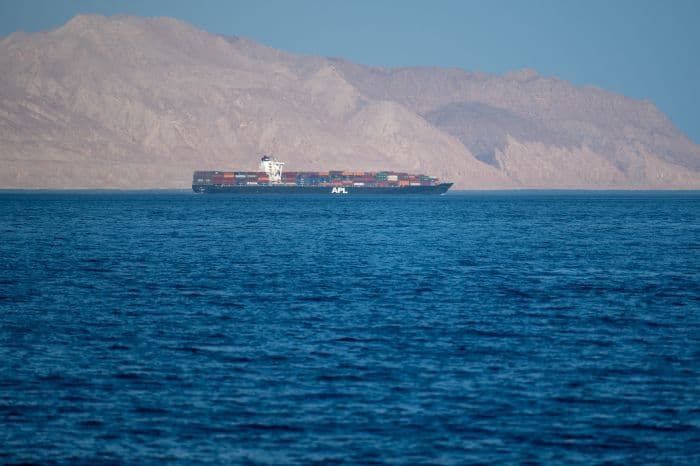
Persian Gulf Bottleneck Tightens Global Container Supply
A growing crisis in one of the world's most strategically critical waterways is sending ripple effects across global trade. Empty shipping containers stranded on the wrong side of the Strait of Hormuz are creating a severe equipment imbalance, disrupting export markets and forcing ocean carriers to turn to container lessors for additional capacity. What began as a regional shipping complication has quickly evolved into a challenge with worldwide consequences for supply chain managers, importers, exporters, and logistics operators alike.
Understanding the Strait of Hormuz Chokepoint
The Strait of Hormuz is one of the most important maritime chokepoints on the planet. Connecting the Persian Gulf to the Gulf of Oman and, ultimately, the broader Indian Ocean, this narrow passage serves as the primary transit route for a significant share of the world's seaborne oil and a growing volume of containerized cargo. Its strategic importance cannot be overstated — any disruption to traffic through this strait reverberates almost immediately through global shipping networks.
When containers become stranded on the Persian Gulf side of the strait, they cannot easily be repositioned to the load centers where export demand is highest. This imbalance between where empty containers sit and where they are actually needed creates a cascading shortage that affects freight rates, vessel scheduling, and delivery timelines around the world.
How Empty Container Imbalances Develop
Container imbalances are not a new phenomenon in global shipping, but the Persian Gulf situation illustrates how quickly a regional disruption can escalate. The fundamental problem is structural: containers flow with trade, and when geopolitical tensions, port congestion, or operational restrictions slow or redirect that flow, equipment gets stranded in the wrong locations.
In the current situation, containers that have discharged their inbound cargo at Persian Gulf ports are unable to cycle back efficiently to high-demand export origins. Instead of being repositioned to Asia, Europe, or North America — where shippers need them to load outbound freight — they remain idle in the Gulf region. Ocean carriers are left managing a growing deficit of available equipment precisely where demand for export capacity is rising.
- Reduced repositioning options: Vessels transiting through or around conflict-sensitive zones face higher insurance premiums, rerouting costs, and scheduling uncertainty, making the economics of repositioning empty containers far more difficult.
- Port congestion effects: When empty containers accumulate at terminals without moving, they consume valuable yard space, slowing the throughput of import and export cargo for all carriers calling at those ports.
- Cascading shortages: Export markets — particularly those in Asia — that depend on a steady return flow of empties find themselves short of equipment, driving up spot freight rates and forcing shippers to either wait or pay a premium.
Ocean Carriers Turn to Lessors for Relief
Faced with shrinking available equipment pools, ocean carriers have been forced to seek out container leasing companies to plug the gap. This shift toward third-party leasing is a clear signal of just how acute the equipment shortage has become. Carrier-owned container fleets, which are already stretched by high global demand and slow repositioning cycles, cannot absorb this level of dislocation without outside help.
Container lessors — companies that own large fleets of boxes and rent them to carriers and shippers on short- or long-term agreements — are seeing a meaningful uptick in inquiries and new lease agreements as a direct result of the Persian Gulf bottleneck. This increased demand for leased equipment is expected to support container leasing rates, which had been softening in some segments of the market following the post-pandemic correction in freight volumes.
For carriers, the cost of leasing additional equipment adds to an already complex operating environment. Higher vessel operating costs due to longer voyage distances — many carriers have already extended routes to avoid the Red Sea and now face additional complications in the Persian Gulf — combined with elevated insurance costs and now equipment leasing fees are pressuring carrier margins even as freight rates remain volatile.
Wider Implications for Global Trade and Supply Chains
The knock-on effects of this container shortage extend well beyond the Persian Gulf region. Exporters in Asia who depend on consistent equipment availability to move manufactured goods, agricultural products, and raw materials to overseas markets are among the most immediately affected. When equipment is scarce, freight rates rise and booking lead times lengthen, making it harder for businesses to plan shipments and meet customer delivery commitments.
Importers in Europe and North America may also begin to feel the effects if the shortage persists. Constrained container availability in Asia translates directly into reduced vessel capacity on trans-Pacific and Asia-Europe trade lanes, which can push up spot and contract freight rates and reduce the flexibility shippers rely on to manage inventory and respond to demand fluctuations.
Supply chain professionals and logistics managers should consider several steps to navigate this evolving situation:
- Book equipment early: With container availability tightening, securing bookings and equipment reservations well in advance of required ship dates reduces the risk of delays.
- Diversify carrier relationships: Working with multiple ocean carriers increases the chance of securing space and equipment when any single carrier's availability is constrained.
- Explore leasing options directly: For high-volume shippers, engaging directly with container leasing companies may offer an alternative route to securing needed equipment outside of standard carrier allocations.
- Monitor freight rate trends: Staying closely attuned to spot rate movements on key trade lanes helps shippers time contract negotiations and spot bookings more effectively.
Looking Ahead: When Will the Bottleneck Ease?
The duration and severity of the Persian Gulf container bottleneck will largely depend on geopolitical developments in the region and the ability of carriers and port operators to adapt their operations. If tensions in and around the Strait of Hormuz ease and normal transit patterns resume, the repositioning of stranded empties could happen relatively quickly, restoring balance to global equipment pools. However, if disruptions persist or intensify, the shortage could deepen and spread to additional trade lanes.
Industry analysts are watching the situation closely, with particular attention to whether container leasing rates harden further, whether ocean carriers begin announcing blank sailings or service adjustments on affected trade lanes, and how major exporting nations respond to tighter equipment availability. The Persian Gulf bottleneck serves as yet another reminder of how deeply interconnected — and how fragile — the global container shipping system can be when a single strategic waterway comes under pressure.
For businesses that depend on ocean freight, staying informed, maintaining flexibility, and building buffer time into logistics planning are the most effective strategies for weathering the current disruption and preparing for whatever comes next in this rapidly evolving situation.