
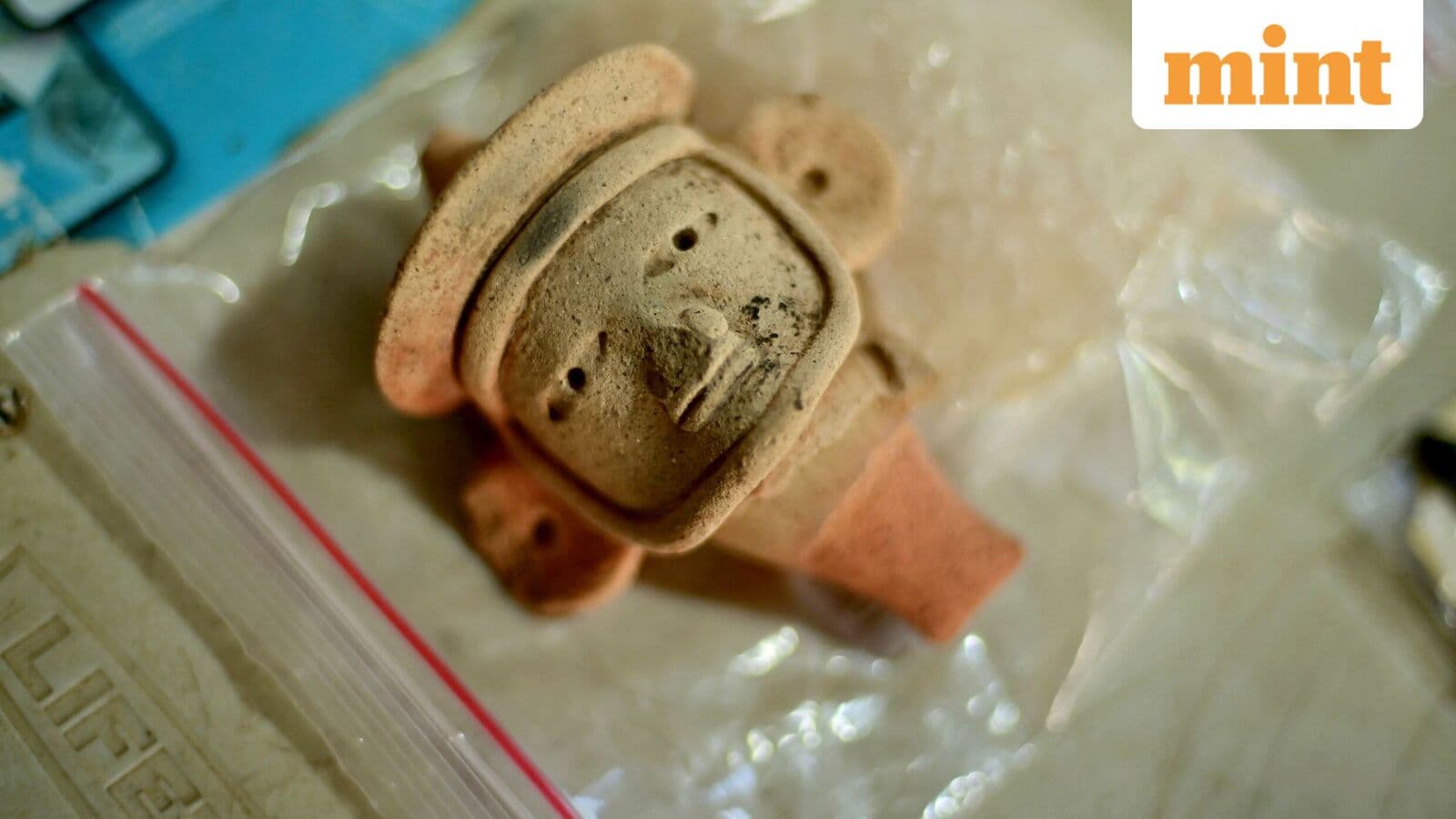
Groundbreaking Archaeological Discovery Unveiled in Veracruz, Mexico
In a discovery that is sending ripples through the global archaeological community, Mexican archaeologists have unearthed a set of ancient pre-Hispanic ruins in the eastern state of Veracruz that are unlike anything previously recorded in the region. The site displays clear influences from Mayan culture, yet also exhibits structural and artistic characteristics that researchers are calling "never-before-seen" — a phrase rarely used in a field where centuries of excavation have already revealed so much about Mesoamerica's rich past.
This find is not merely another addition to Mexico's already impressive catalogue of ancient sites. It represents a potential turning point in how historians and archaeologists understand the geographic spread of Mayan culture, its interactions with other pre-Hispanic civilizations, and the still-mysterious social structures that governed life in ancient Mesoamerica. For those with a passion for history, culture, or the enduring mysteries of the ancient world, this discovery is nothing short of extraordinary.
Where Exactly Were the Ruins Found?
The ruins were uncovered in Veracruz, a state situated along Mexico's Gulf Coast in the eastern part of the country. Veracruz is already historically significant — it was home to the Olmec civilization, widely considered one of the earliest major civilizations in Mesoamerica, and has yielded countless archaeological treasures over the decades. However, the discovery of ruins bearing Mayan cultural markers in this region is particularly striking, as Mayan civilization is most commonly associated with southeastern Mexico, Guatemala, Belize, Honduras, and El Salvador.
The presence of Mayan-influenced architecture and artifacts this far north and west challenges existing assumptions about Mayan territorial reach and cultural diffusion. It opens the door to new questions: Were these ruins built by a Mayan group that migrated or traded extensively into Veracruz? Or do they represent a hybrid culture that absorbed Mayan influence while developing its own unique identity?
What Makes This Site Truly Unique?
What sets this discovery apart from previous finds is the combination of familiar Mayan elements with architectural and iconographic features that researchers have not encountered before. While the team of Mexican archaeologists confirmed the Mayan cultural signatures — seen in specific construction techniques, symbolic carvings, and spatial planning of ceremonial areas — they also noted several details that do not match any known pre-Hispanic site in the archaeological record.
These "never-before-seen" characteristics may include:
- Unusual structural layouts that diverge from standard Mayan temple or plaza configurations.
- Carvings or reliefs depicting symbols or deities not previously documented in Mesoamerican iconography.
- Construction materials or techniques that suggest a localized adaptation of broader Mayan building traditions.
- Spatial arrangements that could indicate entirely different ceremonial or civic functions compared to known Mayan sites.
Archaeologists are proceeding carefully, documenting every detail before drawing definitive conclusions. The full scope of the site is still being assessed, and further excavation is expected to reveal even more about the people who built and inhabited it.
The Significance of Mayan Influence in Veracruz
The Mayan civilization was one of the most sophisticated cultures in the pre-Columbian Americas, known for its advanced writing system, astronomical knowledge, complex mathematics, monumental architecture, and highly organized city-states. Major Mayan centers like Palenque, Chichén Itzá, Tikal, and Copán have long drawn the attention of archaeologists and tourists alike. But discoveries like this one in Veracruz suggest that Mayan cultural influence extended further than many models have traditionally accounted for.
Veracruz itself was a hub of cultural exchange in the ancient world. The Olmec, who flourished between roughly 1500 BCE and 400 BCE, are often called the "mother culture" of Mesoamerica for the far-reaching influence their art, religion, and trade networks had on subsequent civilizations — including the Maya. The idea that Mayan culture later flowed back into Veracruz territory, or co-mingled with local traditions there, paints a picture of a deeply interconnected ancient world.
What This Discovery Means for Our Understanding of Pre-Hispanic Mexico
Each major archaeological find in Mexico refines and sometimes overturns established narratives about pre-Hispanic civilizations. This discovery in Veracruz is likely to do both. On one hand, it reinforces the understanding of Mayan culture as expansive and adaptive, capable of influencing — or being present in — regions far from its traditional heartland. On the other hand, the unprecedented elements of the site suggest that local cultures were not passive recipients of outside influence, but active creators of new, hybrid traditions.
This kind of cultural blending is a recurring theme in Mesoamerican history. The Aztec civilization, for instance, consciously absorbed and reinterpreted the art, religion, and architecture of earlier cultures, including the Teotihuacan and Toltec. If the Veracruz site confirms a similar process involving Mayan elements, it would add an important new chapter to the story of how ancient Mexican civilizations evolved over time.
What Happens Next at the Site?
Mexican archaeologists, likely working under the auspices of the Instituto Nacional de Antropología e Historia (INAH), the country's primary body for archaeological research and heritage preservation, are expected to continue excavating the site in the coming months and years. Detailed analysis of artifacts, carbon dating of organic materials, and advanced imaging techniques such as LiDAR (Light Detection and Ranging) may be used to better understand the full extent of the ruins and the civilization that created them.
Public access and further announcements will likely depend on the pace of research and the need to protect the site from damage or looting — a persistent threat to ancient ruins across Mexico and Central America.
A Window Into a Lost World
Discoveries like the pre-Hispanic ruins found in Veracruz remind us how much of the ancient world remains hidden beneath the soil, waiting to be uncovered. Mexico is one of the most archaeologically rich countries on Earth, and every new find has the potential to reshape our understanding of who came before us, how they lived, and how they connected with one another across vast distances and centuries of history.
As researchers continue their work at this remarkable site, the world watches with anticipation. What began as an excavation in the eastern Mexican state of Veracruz may well turn out to be one of the most significant archaeological discoveries of the decade — and proof that, even now, the ancient past still has profound secrets left to share.