
Routing Guides Are Crumbling — And the Freight Industry Is Taking Notice
Something significant is happening in the truckload freight market, and it's playing out faster than most shippers anticipated. Routing guides — the carefully negotiated contract structures that govern how freight moves from shipper to carrier — are falling apart. According to senior executives at some of the nation's largest trucking companies, truckload contract rates set during the early stages of the 2026 bid season are simply not holding. The cracks in the system are widening, and the warning signals are too loud to ignore.
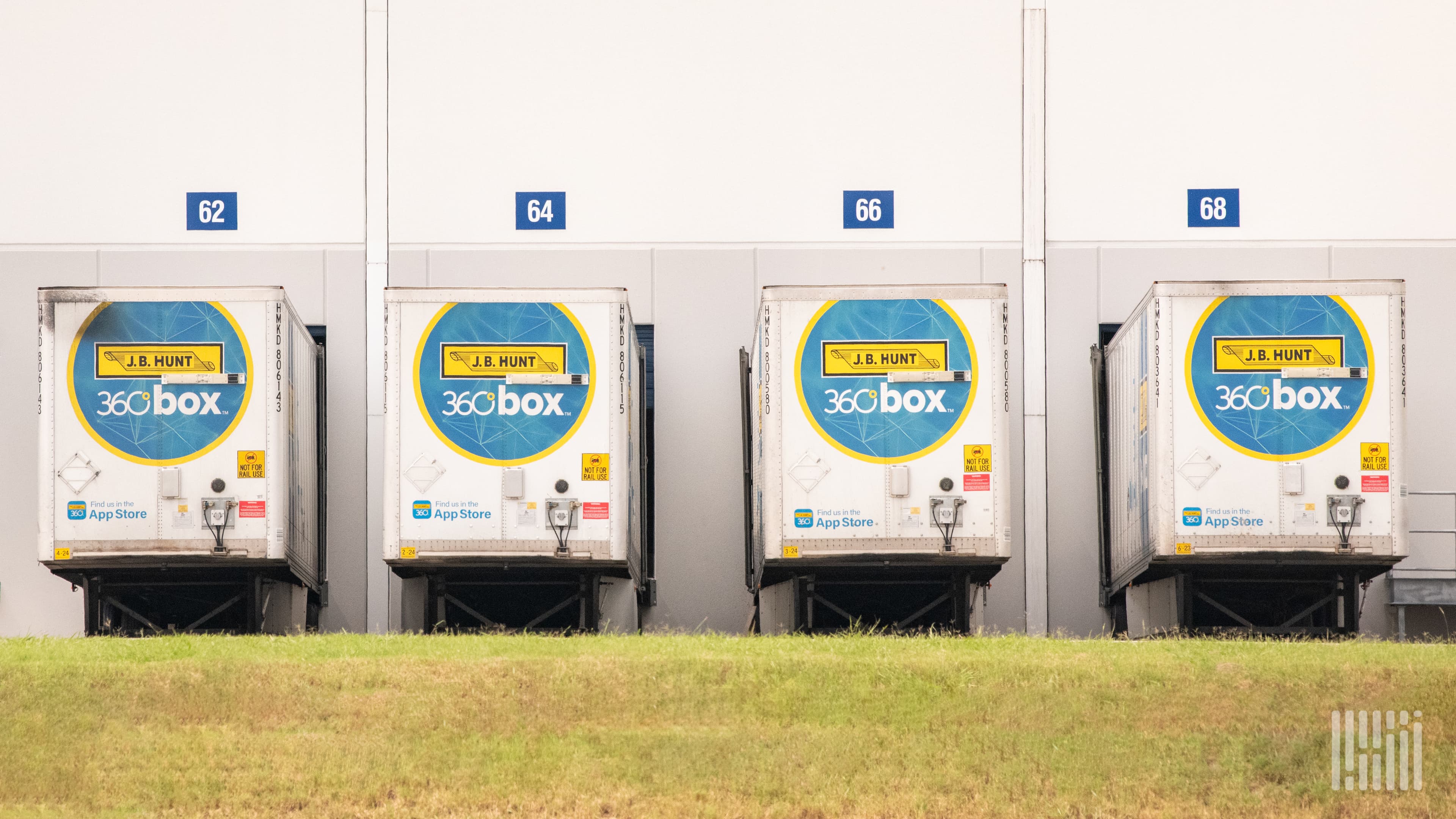
Speaking at the Wells Fargo Industrials & Materials Conference in Chicago, Spencer Frazier, head of sales and marketing at J.B. Hunt Transport Services (NASDAQ: JBHT), delivered a candid assessment of where the market stands today — and where it's likely headed. His message was clear: this isn't just another freight cycle. The forces at work this time are structural, not temporary.
What Does "Routing Guide Failure" Actually Mean?
For shippers and logistics professionals, a routing guide is the backbone of freight procurement. It outlines a hierarchy of preferred carriers, negotiated rates, and load-tendering rules designed to ensure predictability and cost control. When a routing guide works, freight flows smoothly and rates stay stable. When it breaks down, chaos follows.
Routing guide failure typically shows up in one key metric: tender rejections. When carriers begin declining loads at contracted rates, shippers are forced to go further down their carrier lists — or out to the spot market entirely — to cover freight. As tender rejections surge, confidence in the routing guide collapses.
That's exactly what Frazier described when he told investors: "The only reason that happens is because routing guides, once implemented, start to crumble. They're falling apart. And that's what has happened at an accelerated pace … from March through today."
The result? Mini-bid activity has spiked sharply, with some shippers forced to rebid their entire freight book mid-cycle — an unusual and costly disruption that signals just how quickly market conditions have deteriorated for the buy side of freight.
The Regulatory Engine Behind the Capacity Squeeze
To understand why routing guides are crumbling now, you have to understand what has happened to trucking capacity over the past several months. It's not a demand surge driving rates higher — it's a supply contraction, and much of it is being driven by regulatory enforcement.
Since last fall, heightened regulatory enforcement has been systematically removing noncompliant drivers from the market. The downstream effects of this purge were first visible around Thanksgiving, when spot market rates began stepping higher. That was only the beginning.
More recently, additional regulatory levers have been pulled. Strict enforcement of cabotage rules — which govern the rights of foreign carriers to haul domestic loads — has further tightened available capacity. Compounding the picture is the Supreme Court's broker liability ruling, which has introduced new legal and financial risk into the freight brokerage model, potentially reshaping how capacity is sourced and priced across the industry.
Together, these regulatory actions have had a measurable impact on the effective supply of trucks available to move freight. And unlike a demand-driven freight boom, a supply contraction driven by compliance and regulation is far harder to reverse quickly.
Why "It Is Different This Time" Carries Real Weight
"It is different this time." That phrase — often cited skeptically in financial markets — carries genuine weight when spoken by someone with Frazier's market visibility. His argument is that the current capacity shift is structural, not transitory, and that distinction has profound implications for truckload pricing over the medium and long term.
In past freight cycles, rising rates attracted a wave of new entrants. Owner-operators and small fleets, drawn by strong earnings potential, flooded the market with trucks. This gold-rush dynamic reliably oversupplied capacity within 12 to 24 months, driving rates back down as new entrants were forced onto load boards to cover their lease payments.
That self-correcting mechanism may not function the same way this time around. Several structural cost barriers are keeping new entrants at bay:
- Elevated equipment costs: New and used truck prices remain significantly higher than pre-pandemic norms, raising the capital barrier to entry for prospective owner-operators.
- Insurance headwinds: Safety-driven insurance premiums have continued to climb, adding to fixed operating costs and squeezing margins for smaller carriers.
- Higher fuel prices: Sustained fuel cost pressures increase the risk calculus for anyone considering entering the market on thin margins.
- Regulatory compliance requirements: The same enforcement environment that has removed noncompliant drivers also raises the compliance burden for anyone looking to enter the industry.
The combination of these factors creates a meaningful barrier that may suppress the usual influx of new capacity, even as rates rise. If Frazier's structural thesis is correct, truckload rates could remain inflationary for considerably longer than markets are currently pricing in.
What Shippers Should Do Right Now
For shippers, the implications of a structurally tighter capacity environment are significant. Waiting for the market to soften before renegotiating rates may prove to be a costly strategy. Here's what logistics and supply chain teams should prioritize:
- Audit your routing guide performance immediately. Measure tender rejection rates by lane and carrier tier. If rejections are climbing, your routing guide is already under stress.
- Strengthen carrier relationships. In a capacity-constrained market, shippers who are viewed as reliable, easy-to-work-with partners will receive preferential service. Volume commitments, on-time loading, and fair accessorial policies matter more than ever.
- Diversify your carrier base strategically. Over-reliance on a small number of contracted carriers increases vulnerability. Building relationships with a broader set of qualified carriers provides resilience when primary routing guides fail.
- Consider longer-term contract structures. If rates are heading structurally higher, locking in capacity now — even at slightly elevated rates — may prove cheaper than repeatedly returning to a tightening spot market.
- Engage in proactive freight network design. Lane consolidation, improved load factor, and smarter network design can partially offset rate increases by reducing the total cost of freight regardless of market conditions.
The Broader Signal for the Freight Market
The crumbling of routing guides in 2026 is more than a short-term pricing story. It reflects a freight market undergoing a fundamental reset — one shaped by regulatory policy, structural cost barriers, and the compounding effects of years of deferred market correction. Carriers that survived the prolonged freight downturn are now in a stronger negotiating position, and the traditional mechanisms that once quickly restored balance may be slower to respond this cycle.
For shippers, carriers, and logistics providers alike, the message from the industry's front lines is consistent: adapt to a tighter, more expensive capacity environment now, because the conditions that created today's market disruption are not going away anytime soon.
The routing guide has long been the foundation of predictable freight management. As that foundation cracks, the companies that move fastest to build resilient, relationship-driven freight strategies will be the ones best positioned to navigate what comes next.