
Trans-Pacific Air Cargo Surges 70% as US Hunger for Data Center Components Reshapes Global Freight
The skies above the Pacific Ocean are busier than ever — and the cargo holds tell a story of technological transformation. According to aviation consultancy Aevean, the volume of high-tech goods transported by air from Asia to North America surged a remarkable 70% year over year, driven primarily by soaring US demand for data center components. At the same time, a once-dominant force in trans-Pacific freight — e-commerce imports — has quietly stepped back, signaling a profound structural shift in how air cargo lanes are being used and who is using them.
This isn't just a shipping story. It's a window into the infrastructure arms race powering artificial intelligence, cloud computing, and the digital economy at large. Understanding what's moving through these freight lanes — and why — offers critical insight for logistics professionals, technology investors, and supply chain strategists alike.
What Is Driving the Explosion in Data Center Component Shipments?
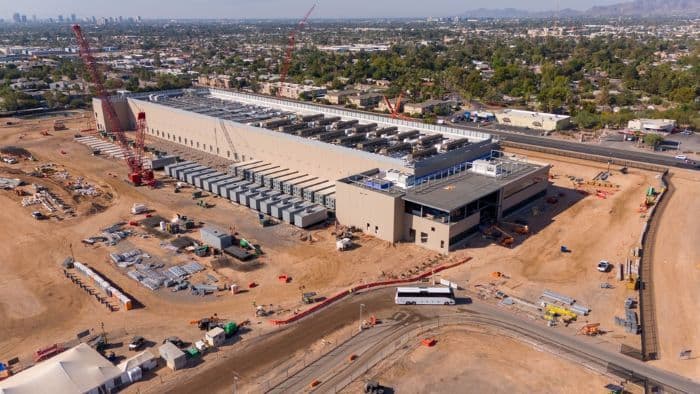
The surge in trans-Pacific air cargo can be traced directly to the insatiable appetite for data infrastructure across the United States. Hyperscale cloud providers, AI companies, and colocation facility operators are racing to expand their footprints, requiring massive quantities of servers, GPUs, networking switches, power distribution units, and cooling equipment — most of which are manufactured in Asia.
The buildout of AI-ready data centers in particular has created a demand environment unlike anything the industry has seen before. Training large language models and running inference workloads at scale requires enormous quantities of specialized hardware, and lead times for that hardware are under intense pressure. When land freight and ocean shipping cannot guarantee the speed that project timelines demand, air cargo becomes the only viable option — cost be damned.
Taiwan, South Korea, and Japan remain the epicenters of advanced semiconductor and server component manufacturing, making the trans-Pacific corridor the natural artery for this equipment. Factories in these countries are shipping directly to data center construction sites and staging warehouses across the United States, compressing timelines that would otherwise stretch months.
The Decline of E-Commerce Air Freight: A Market in Transition
Just as data center hardware is filling aircraft bellies, US imports of e-commerce goods via air have declined. This reversal is significant. For several years following the pandemic, fast-fashion retailers and marketplace platforms drove extraordinary volumes of lightweight consumer packages across the Pacific, capitalizing on favorable trade exemptions and consumer demand for rapid delivery.
Regulatory changes, shifting consumer sentiment, and growing scrutiny of low-value import loopholes have begun to erode that channel. The US de minimis threshold — which long allowed packages valued under $800 to enter the country duty-free — has come under increasing legislative pressure, creating uncertainty for the e-commerce logistics model that relied heavily on it.
The result is a rebalancing of the trans-Pacific air freight market. Where lightweight consumer goods once dominated, heavy, high-value technology equipment is now taking precedence. This shift benefits carriers in terms of yield per kilogram, since data center hardware commands significantly higher freight rates than fast-fashion parcels.
Implications for Airlines and Cargo Operators
For airlines operating trans-Pacific routes, the data represents both an opportunity and a strategic inflection point. Freighter operators and passenger carriers with belly cargo capacity are seeing strong demand signals from technology shippers, who are often willing to pay premium rates to secure space and meet delivery commitments tied to data center go-live dates.
Carriers that have cultivated relationships with contract logistics providers serving the technology sector are particularly well-positioned. Conversely, airlines that built their cargo revenue models heavily around e-commerce volume from Asia may need to reposition their commercial strategies to capture this higher-value freight segment.
Ground handling infrastructure at major gateway airports — including Los Angeles International, Chicago O'Hare, and Dallas/Fort Worth — is also under pressure as shipment profiles change. Data center components are bulky, heavy, and often require specialized handling, creating different operational demands than the high-volume, low-weight parcel flows that previously dominated those ramps.
Supply Chain Strategy in the Age of AI Infrastructure
For supply chain leaders at technology companies, the Aevean data reinforces several priorities that are already reshaping procurement and logistics planning:
- Capacity reservation: As air freight demand for high-tech goods intensifies, securing forward capacity agreements with carriers is increasingly critical. Spot market availability during peak demand windows is tightening, and project delays caused by freight bottlenecks carry significant financial consequences.
- Multi-modal flexibility: While air remains the fastest option, organizations building resilient supply chains are developing hybrid strategies that use ocean freight for non-urgent components and air freight for time-critical hardware, balancing cost and speed intelligently.
- Near-shoring considerations: The concentration of advanced manufacturing in East Asia creates inherent geopolitical and logistical risk. Several companies are exploring whether certain component categories can be sourced from emerging manufacturing hubs in Southeast Asia or even closer to US borders to reduce transit time and exposure.
- Customs and compliance readiness: High-value technology shipments attract greater scrutiny at US ports of entry. Companies investing in robust import compliance programs and pre-clearance capabilities are better positioned to avoid delays that can cascade across data center construction schedules.
Looking Ahead: Will the Data Center Freight Boom Continue?
There is little evidence that the underlying drivers of this trend are weakening. Capital expenditure commitments from major cloud and AI companies continue to climb, with publicly announced data center investment programs running into the hundreds of billions of dollars over multi-year horizons. Each of those investments represents a procurement pipeline for the hardware that is currently filling freighters on trans-Pacific routes.
Aevean's findings reflect a market that is in the early-to-middle stages of a structural shift, not a short-term spike. As the AI infrastructure buildout accelerates and e-commerce air freight faces continued headwinds, trans-Pacific air cargo lanes are being fundamentally repurposed — transformed from a pipeline for consumer goods into a critical artery for the digital infrastructure that underpins the modern economy.
For logistics professionals, freight investors, and technology supply chain leaders, monitoring this corridor is no longer optional. It has become one of the most telling indicators of where the global technology economy is headed — and how fast it intends to get there.