
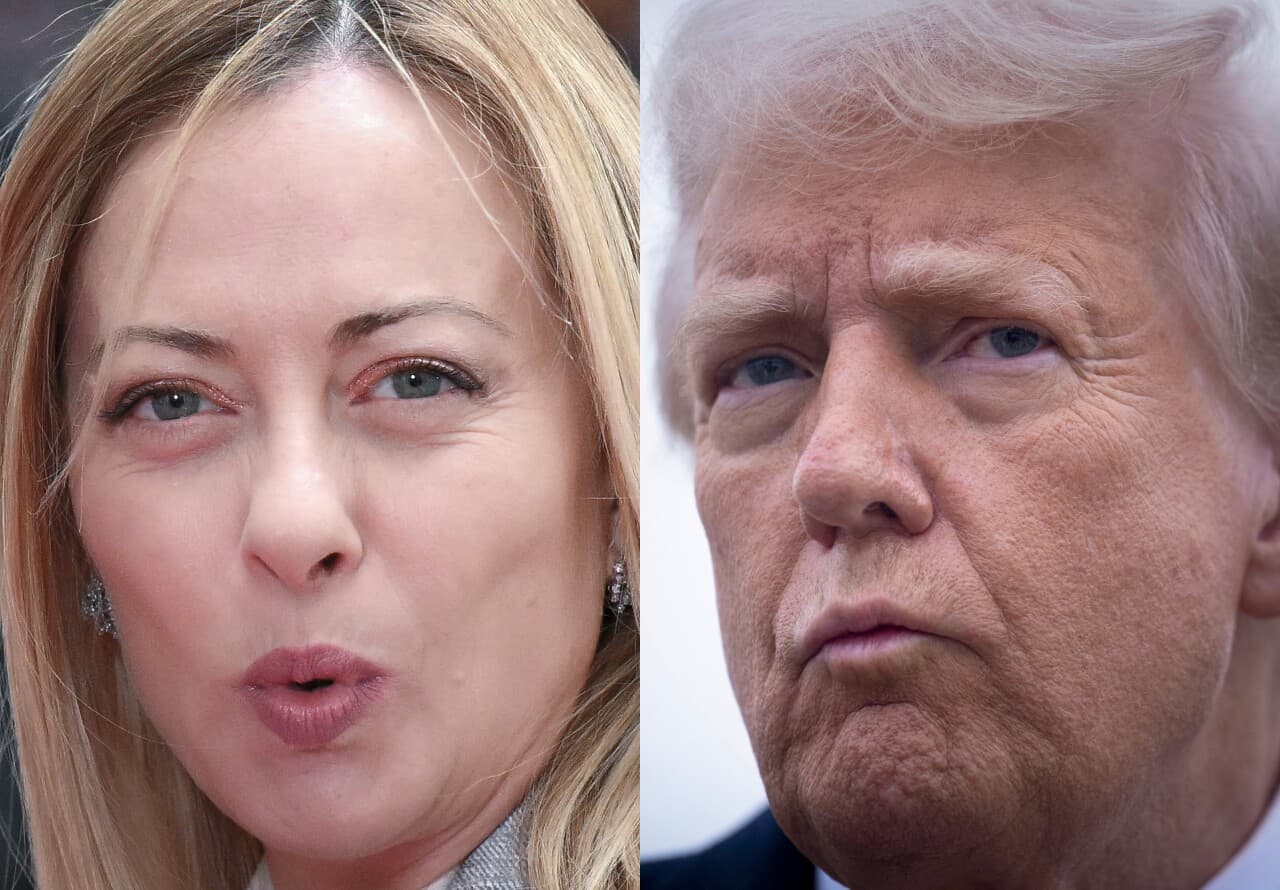
From a G7 Photo to a Diplomatic Crisis: How Trump and Meloni Fell Out
What was supposed to be a display of allied unity on the world stage has turned into one of the most unexpected diplomatic flashpoints of 2025. The relationship between Donald Trump and Italian Prime Minister Giorgia Meloni — once heralded as a natural ideological partnership between two of the West's most prominent right-wing leaders — is now facing its most severe test since Trump returned to the White House. And it all started with a photograph taken at the G7 summit in France.
The fallout has been swift and significant. Within days of the summit wrapping up, what began as a war of words over who asked whom for a photo has escalated into a genuine diplomatic incident, complete with the cancellation of an official Italian visit to the United States. Here is a full breakdown of what happened, why it matters, and what it means for US-Italy relations going forward.
The G7 Summit: Where It All Began
The Group of Seven summit held in France brought together the leaders of the world's most powerful democratic economies to address pressing global challenges, from economic stability to conflicts in the Middle East. On the surface, Trump and Meloni appeared cordial, posing for photos and exchanging pleasantries in front of the cameras. Behind the scenes, however, tensions were already building.
Italy's stance on the ongoing conflicts in the Middle East had created friction between Rome and Washington. While Trump has pushed a particular set of foreign policy priorities in the region, Meloni's government has taken positions that don't always align perfectly with the White House's expectations. Still, most observers expected the two leaders to manage these differences quietly, as ideologically aligned allies often do.
That expectation was shattered shortly after the summit concluded.
Trump's Claim: "She Begged Me for a Photo"
In an interview with Italian media following the summit, Trump claimed that Meloni had repeatedly insisted on taking a photograph with him, and that he had only agreed out of politeness. The statement was striking not just for its content, but for its tone — dismissive and demeaning toward a sitting head of government who has consistently been regarded as one of Trump's closest ideological allies in Europe.
The remark raised immediate eyebrows across the political world. Meloni had long been seen as a natural partner for Trump: both leaders share nationalist, populist leanings; both have been critical of globalist institutions; and both rose to power on waves of anti-establishment sentiment. For Trump to publicly belittle her in this way sent a message that even the closest of allies are not immune to his rhetorical attacks.
Rather than letting the comment pass, Trump doubled down. On the following Saturday, he returned to the subject unprompted, making additional remarks that only deepened the wound and forced a formal response from the Italian government.
Meloni Fires Back: "Italy Does Not Beg"
Giorgia Meloni was not about to absorb the criticism quietly. She publicly rejected Trump's account of the photo incident, calling his statements false and asserting that she had never asked for the photograph. Her response was pointed and deliberate, designed not just to correct the record but to signal that Italy would not accept being talked down to by any foreign leader — including one she had previously considered a friend.
"Italy and I do not beg," Meloni declared, in a line that quickly made headlines across Europe and beyond. She went further, defending her government's international standing and making clear that Italy's dignity as a sovereign nation was not up for negotiation.
Her response resonated strongly at home, where many Italians — regardless of political affiliation — viewed Trump's comments as disrespectful and patronizing. The statement also played well across Europe, where leaders have grown increasingly wary of Trump's unpredictable approach to alliances and diplomacy.
Italy's Diplomatic Response: Canceling the Visit
The dispute quickly moved beyond words. Italy's Foreign Ministry announced the cancellation of a planned official visit to the United States, a significant diplomatic signal that Rome was prepared to take concrete action in response to Trump's comments. The cancellation of a high-level diplomatic visit is not a routine occurrence — it represents a formal expression of displeasure and a warning that the relationship cannot simply continue as normal.
This move puts the ball firmly in Washington's court. For the diplomatic crisis to be resolved, some form of clarification, acknowledgment, or outreach from the Trump administration will likely be necessary. Whether that will come remains to be seen.
Why This Crisis Matters Beyond the Photo
On the surface, a dispute over who asked for a photograph might seem trivial. But the deeper significance of the Trump-Meloni fallout should not be underestimated, for several important reasons:
- It signals instability in transatlantic relations. If Trump is willing to publicly humiliate one of his closest European allies, it raises serious questions about how he will treat other NATO partners and democratic governments that depend on strong US ties.
- It weakens Europe's populist right. Meloni has been a key figure in the European nationalist movement. Her public break with Trump — even if temporary — disrupts the image of a unified global right-wing coalition.
- It highlights the Middle East fault line. Italy's differing stance on Middle East policy appears to be the deeper issue beneath this personal dispute. Disagreements over Gaza, Iran, and regional security continue to create friction between US and European governments.
- It demonstrates the cost of Trump's rhetoric. Trump's tendency to speak off-the-cuff in interviews and use personal jabs as political tools has real-world diplomatic consequences — consequences that can damage carefully built alliances in a matter of days.
What Happens Next?
The immediate path forward for US-Italy relations depends largely on whether either side chooses to de-escalate. Diplomatic channels remain open, and both governments have strong practical reasons to preserve their working relationship — from trade and defense cooperation to shared interests within NATO and the broader Western alliance.
However, Meloni has staked out a clear position of national pride, and backing down too quickly could cost her politically at home. Meanwhile, Trump has shown little inclination to walk back his comments, and doing so would run counter to his established communication style.
For now, the Trump-Meloni diplomatic crisis stands as a cautionary tale about how quickly personal slights can escalate into geopolitical problems — and a reminder that in modern diplomacy, even a photograph can become the spark for a serious international incident.
Conclusion
What began as an awkward boast about a G7 photo op has exposed real cracks in one of the more unexpected alliances in contemporary Western politics. The dispute between Donald Trump and Giorgia Meloni is more than a personality clash — it reflects genuine tensions over foreign policy, national sovereignty, and the limits of ideological solidarity. As both sides weigh their next moves, the world will be watching to see whether this diplomatic crisis marks a temporary rough patch or the beginning of a deeper realignment in US-European relations.