
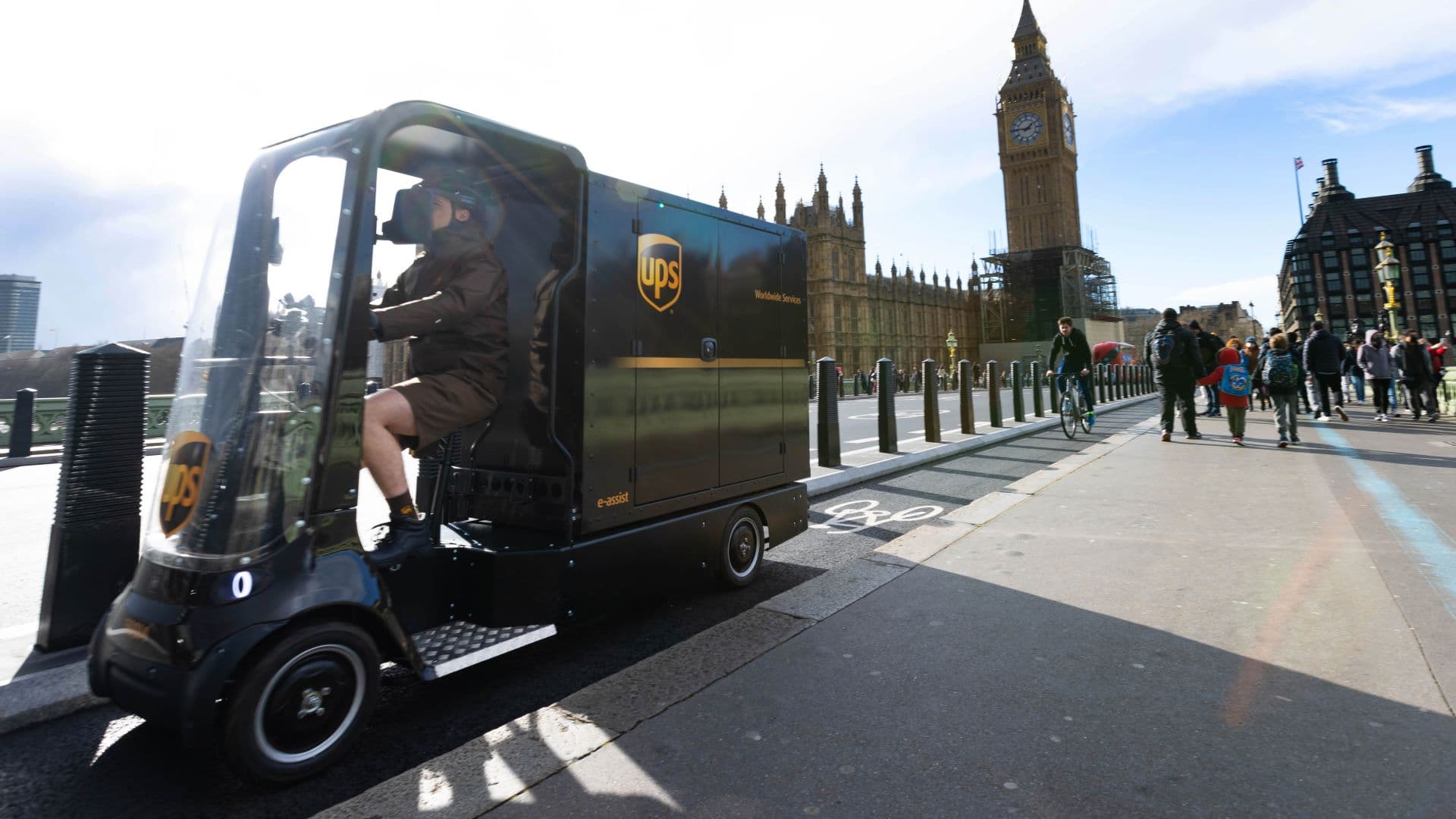
UPS Plans to Replace Employee Drivers in the UK with Third-Party Couriers
United Parcel Service (UPS), one of the world's largest parcel delivery companies, is reportedly planning a sweeping overhaul of its UK delivery operations. According to Unite, the United Kingdom's largest trade union, UPS intends to phase out its employee delivery drivers and replace them with independent contractors operating their own vehicle fleets. If the plans proceed as outlined, the transition would be completed by June 2027, fundamentally reshaping how UPS handles last-mile parcel delivery across the country.
The announcement has sent shockwaves through the UK logistics sector, raising urgent questions about job security, worker rights, and the broader trend of gig-economy models infiltrating traditional delivery networks. For industry observers, the move also carries significant implications beyond British borders, particularly given parallel disputes already brewing between UPS and labor unions in the United States.
What UPS Is Proposing: The Scale of the Change
Unite's June 12 news release laid out the proposed changes in stark terms. UPS plans to eliminate more than 3,000 jobs across 51 sites in the UK, reducing its total UK workforce from approximately 4,000 employees down to just 800. That represents a reduction of roughly 80% of the company's current headcount in the country, with frontline delivery workers bearing the brunt of the cuts.
The workers who lose their positions will not simply disappear from the delivery ecosystem, however. Some may be rehired by third-party contractors that UPS intends to partner with for last-mile deliveries. This means that while some former UPS employees could continue doing much the same work, they would do so under very different employment arrangements — likely with fewer protections, lower guaranteed pay, and diminished benefits.
Gig Workers vs. Amazon-Style Contractors: What Model Will UPS Follow?
One of the key questions surrounding the restructuring is exactly what the new delivery model will look like. Unite suggested that the new driver pool could resemble a gig economy platform, where self-employed individuals pick up delivery assignments through an app and receive a share of the delivery fee — much like how Uber drivers operate today.
However, an industry source familiar with UPS's internal thinking offered a slightly different picture. According to that source, UPS is actually envisioning a structure closer to the model used by Amazon, which contracts with third-party Delivery Service Partners (DSPs). Under this arrangement, outside businesses take responsibility for managing their own fleets and hiring workers within a defined local delivery area. UPS would essentially outsource not just individual deliveries, but the entire operational responsibility for last-mile logistics to these partner companies.
The distinction matters enormously for workers. Under a pure gig model, drivers bear the risks of vehicle ownership, fluctuating income, and lack of benefits entirely on their own. Under a DSP-style model, workers may technically be employees of a small contractor, but those contractors themselves operate on thin margins and are heavily dependent on the terms dictated by UPS. Either way, the shift moves workers further from the protections they currently enjoy as direct UPS employees.
The Union Response: Consultations Underway
UPS is currently consulting with Unite and two smaller unions — the National Union of Rail, Maritime and Transport Workers (RMT) and the United Road Transport Union (URTU) — about the proposed changes. While consultation is a legal requirement in the UK when large-scale redundancies are being considered, unions are under no illusion that the process guarantees any particular outcome.
Unite has been vocal in its opposition, framing the restructuring as an attack on good-quality jobs and a deliberate effort by UPS to reduce its labor costs by shifting workers into more precarious employment arrangements. The union has called on UPS to reconsider the plans and has signaled its intention to fight for the best possible outcome for affected members throughout the consultation period.
Echoes in the United States: Is This a Preview of Things to Come?
The UK developments are unfolding alongside a separate but related dispute in the United States, where the powerful Teamsters union has accused UPS of violating its collective bargaining agreement. Specifically, the Teamsters allege that UPS has been steering parcel delivery work to a subsidiary that relies on non-union gig workers — a charge UPS disputes.
Taken together, these two situations raise an uncomfortable question for labor advocates on both sides of the Atlantic: is UPS using the UK as a testing ground for a model it hopes to eventually implement in the United States? If the UK transition succeeds in cutting costs without triggering unsustainable operational disruption, it could embolden UPS — and other major carriers — to pursue similar restructuring in markets where unions currently hold stronger contractual protections.
The Bigger Picture: Last-Mile Delivery Under Pressure
UPS's plans are not occurring in a vacuum. The entire parcel delivery industry is under intense pressure to reduce the cost of last-mile delivery, which remains the most expensive and labor-intensive part of the logistics chain. E-commerce growth has driven parcel volumes to record highs, but razor-thin margins and increasing competition from Amazon's own delivery network have forced traditional carriers to look for new ways to cut costs.
Outsourcing last-mile delivery to third-party contractors has become an increasingly popular strategy among global logistics operators. It allows large carriers to convert fixed labor costs into variable ones, offloading risk onto smaller operators and, ultimately, individual workers. Critics argue this approach systematically erodes wages and working conditions across the industry, while proponents contend it enables the flexibility needed to compete in a rapidly evolving market.
What Happens Next
The outcome of UPS's consultations with Unite, RMT, and URTU will shape the final structure of any transition. Workers, unions, and industry analysts will be watching closely to see whether UPS moves forward with its plans largely unchanged, modifies the scope of job cuts in response to union pressure, or delays implementation entirely.
- More than 3,000 UK delivery jobs are at risk of elimination by June 2027 across 51 UPS sites.
- UPS's UK workforce would shrink from approximately 4,000 to just 800 employees if the plans proceed.
- Third-party contractors modeled on Amazon's DSP network are the most likely replacement structure, according to industry sources.
- Some displaced workers may be rehired by new contractor partners, though under less secure employment terms.
- Parallel Teamsters disputes in the US suggest this restructuring strategy may have global ambitions.
For now, UPS has confirmed that consultations are underway, but has not publicly committed to a final course of action. The coming months will be critical — both for the thousands of UK workers whose livelihoods hang in the balance, and for the future direction of one of the world's most influential parcel delivery networks.