
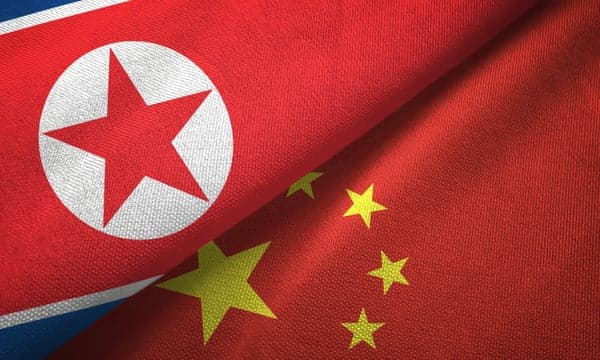
Xi Jinping's Visit to North Korea: Breaking Down a Seven-Year Silence
When Chinese President Xi Jinping arrived in Pyongyang after a seven-year absence, the world took notice. State visits between neighboring countries are common diplomatic currency, but this one carried unusual weight. The extended gap between Xi's previous trip and this latest one had quietly spoken volumes about the state of Sino-North Korean relations — a relationship long described as being "as close as lips and teeth," yet one that had grown visibly complicated in the years in between. So why did Xi finally make the trip, and what does it signal about the future of one of the most strategically consequential alliances in Asia?
A Seven-Year Gap That Said Everything
In diplomacy, absences are often as meaningful as visits. The seven years that passed between Xi Jinping's last trip to North Korea and this most recent one were not simply the product of busy schedules or logistical challenges. They reflected a genuine cooling in the bilateral relationship — a period shaped by North Korea's accelerating nuclear weapons program, international sanctions, pandemic-era border closures, and Pyongyang's increasingly independent foreign policy posture under Kim Jong-un.
During that stretch, Kim Jong-un made his own trips to Beijing, often in the posture of a junior partner seeking approval or economic lifelines. But Xi's reciprocal visit to Pyongyang had not materialized — a notable asymmetry that analysts interpreted as China's quiet expression of frustration over North Korea's nuclear provocations and Kim's sometimes unpredictable behavior on the world stage.
That Xi chose to reverse that asymmetry now is itself the story. It suggests that something in the strategic calculus has shifted — and that Beijing has decided the benefits of visibly reinforcing this alliance now outweigh the costs of appearing to endorse Pyongyang's conduct.
The Geopolitical Context Driving the Decision
To understand why Xi made the trip, it helps to zoom out and examine the broader geopolitical landscape. The international environment has changed dramatically in recent years, and not in ways that favor Beijing's preferences.
The United States has deepened its security commitments to South Korea and Japan, including expanded joint military exercises and, in some formulations, renewed discussions around extended deterrence. The trilateral relationship between Washington, Seoul, and Tokyo has grown closer than it has been in decades. Meanwhile, tensions between China and the United States over Taiwan, trade, and technological competition remain high.
In this environment, North Korea — nuclear-armed, isolated, and historically resistant to outside pressure — becomes a more valuable card in Beijing's hand. Pyongyang represents a buffer state, a source of geopolitical leverage, and a persistent variable that complicates American strategic planning in the Indo-Pacific. For Xi, reinforcing ties with Kim Jong-un at a moment of broader US-China tension is not simply about sentiment or alliance maintenance. It is a calculated move in a larger game.
What China Wants From North Korea
Beijing's interests in maintaining close ties with Pyongyang are layered and sometimes in tension with each other. At the most basic level, China does not want a collapsed North Korean state on its northeastern border — the chaos, refugee flows, and potential American military presence that could follow would be deeply destabilizing from Beijing's perspective.
Beyond that, China wants North Korea to remain a manageable partner rather than a rogue actor that drags the region into conflict. Xi's visit is partly a message to Kim: that Beijing remains a patron, but that it expects a degree of coordination and restraint in return. The visit allows Xi to communicate directly with Kim, reaffirm the relationship's importance, and potentially negotiate guardrails around North Korean behavior that might otherwise embarrass or endanger China.
At the same time, Beijing values North Korea's strategic nuisance value. A nuclear-armed, diplomatically isolated Pyongyang keeps Washington and its allies preoccupied, stretches American resources, and gives China room to maneuver elsewhere. Abandoning or marginalizing North Korea would remove a piece from China's strategic chessboard.
What North Korea Wants From China
For Kim Jong-un, a high-profile visit from Xi Jinping is a significant diplomatic win. It signals that North Korea is not as isolated as its critics suggest, and that it retains the backing of a major global power. Internally, the imagery of Xi in Pyongyang reinforces the legitimacy of Kim's leadership and demonstrates that his government commands respect on the world stage.
North Korea also wants economic relief. Sanctions, pandemic-era self-isolation, and chronic mismanagement have left the North Korean economy in a fragile state. Closer ties with China — including potential trade concessions, investment, and food or energy assistance — are critical to the regime's survival. A Xi visit creates the political atmosphere in which such assistance becomes more likely, and harder for the international community to criticize openly.
Implications for the Korean Peninsula and Beyond
Xi's trip to Pyongyang has real consequences for the broader region. For South Korea and Japan, it is a reminder that China remains North Korea's principal protector and that any diplomatic solution to the peninsula's tensions must run through Beijing. For the United States, it underscores the degree to which North Korea functions as a proxy front in the larger US-China strategic competition.
- The visit makes a diplomatic breakthrough between North Korea and the West less likely in the short term, as Kim has less incentive to compromise when China is visibly in his corner.
- It may signal a new phase of coordinated resistance between Beijing and Pyongyang against US-led pressure in the region.
- It raises questions about whether China will continue to enforce UN sanctions against North Korea, or allow them to erode further in practice.
- It reinforces the emerging Russia-China-North Korea axis that has drawn increasing concern from Western policymakers.
Reading Between the Lines of a State Visit
State visits are choreographed theater as much as they are substantive diplomacy. Every detail — the level of ceremony, the length of the summit, the content of joint statements, and the economic agreements signed — sends a message. Xi's decision to make this trip after seven years is itself the headline, but the fine print of what was agreed and what was left unsaid will matter enormously for how regional dynamics evolve in the months ahead.
What is clear is that the visit signals a deliberate recalibration. Beijing is no longer content to keep North Korea at arm's length. Whether out of strategic necessity, genuine concern for alliance cohesion, or a desire to assert leverage ahead of anticipated geopolitical shifts, Xi has chosen to recommit to the relationship publicly and personally. That decision will reverberate across the Korean Peninsula, in Washington, and in capitals throughout Asia for some time to come.
Conclusion: More Than a Courtesy Call
The seven-year gap before Xi Jinping's visit to North Korea told one story about the China-DPRK relationship. The visit itself tells another. Far from a routine courtesy call between friendly neighbors, it represents a strategic signal — that Beijing views its alliance with Pyongyang as too important to leave dormant, and that China is prepared to reassert its role as North Korea's most essential partner. In a region already defined by tension, uncertainty, and competing great-power interests, that signal matters enormously.