
Yen Intervention Risk Surges as Katayama-Bessent Talks Raise Market Stakes
Currency markets are on edge. Following a fresh bout of weakness in the Japanese yen and credible reports of a high-level online meeting between Japanese Finance Minister Satsuki Katayama and US Treasury Secretary Scott Bessent, traders across global forex desks are recalibrating their risk exposure at a rapid pace. The prospect of coordinated — or at least diplomatically tolerated — yen intervention has moved from background noise to front-page concern almost overnight.
For anyone tracking USD/JPY, the message is clear: the window for intervention may be opening, and the key players appear to be talking. Here is a comprehensive breakdown of what is driving the current tension, what the Katayama-Bessent meeting signals, and what market participants should be watching in the days ahead.
Why the Yen Is Under Pressure Again
The Japanese yen has faced persistent depreciation pressure for several years, driven by a combination of structural and cyclical forces. The Bank of Japan's historically accommodative monetary policy stance — even as central banks across the developed world tightened aggressively to combat inflation — created a wide and sustained interest rate differential between Japan and the United States. That differential has made the yen a popular funding currency in carry trades, where investors borrow cheaply in yen and deploy the proceeds into higher-yielding assets.
More recently, uncertainty around the pace of Federal Reserve rate cuts has added another layer of complexity. Any signal that US rates will remain elevated for longer tends to widen the dollar-yen spread, placing fresh downward pressure on the Japanese currency. As the yen slid further in recent sessions, market chatter around intervention escalated — and then the reports of the Katayama-Bessent call emerged, pouring fuel on an already tense situation.
Who Are Katayama and Bessent — and Why Does Their Meeting Matter?
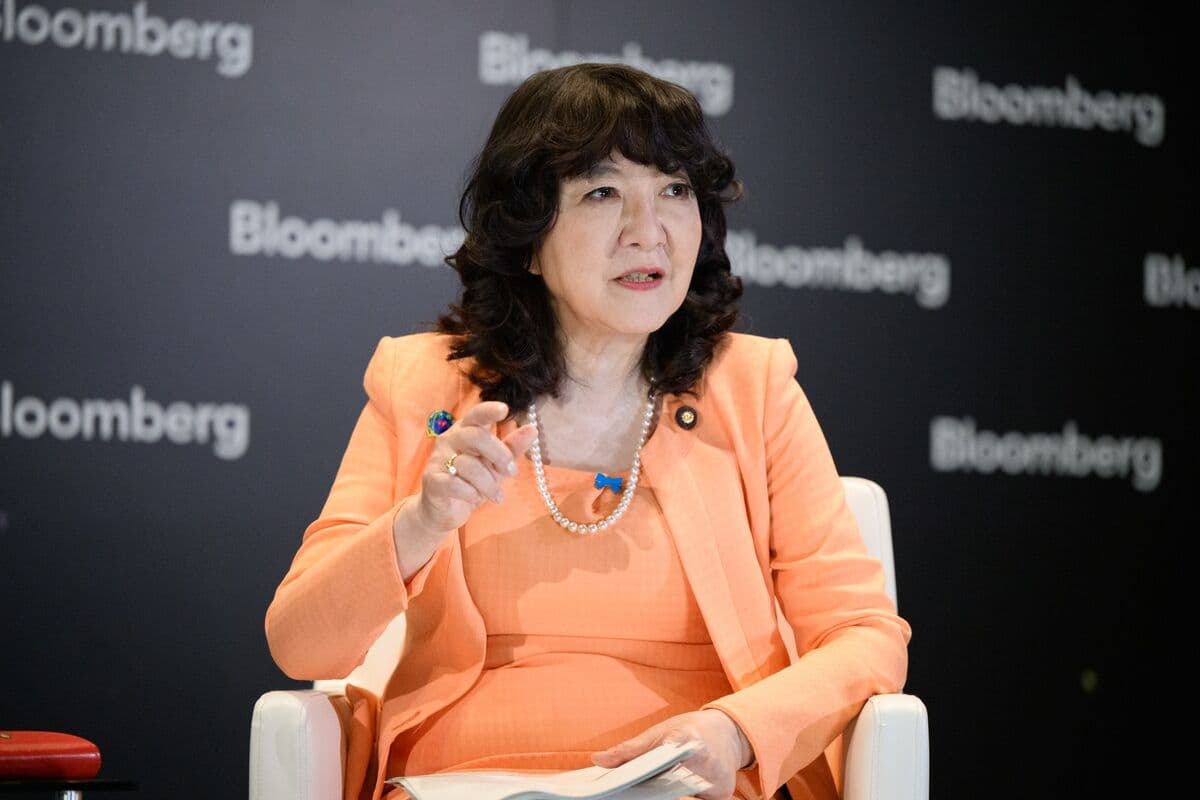
Satsuki Katayama serves as Japan's Finance Minister, a position that carries direct authority over currency policy decisions, including the authorization of yen-buying intervention in foreign exchange markets. Scott Bessent, as US Treasury Secretary, holds the equivalent seat of power on the American side — and crucially, any large-scale Japanese intervention in dollar-yen markets would almost certainly require, at minimum, tacit approval from Washington.
This is the crux of why reports of their online meeting sent ripples through trading floors globally. Historically, Japan has been most effective at moving currency markets when its intervention efforts have been either coordinated with or passively endorsed by the United States. A unilateral action by Tokyo without Washington's backing risks being seen as a declaration of currency manipulation — a politically sensitive label that the US Treasury has the power to formally assign.
The fact that both officials reportedly connected in a direct online meeting suggests that lines of communication are open and that Japan may be laying the diplomatic groundwork for action. Even the perception of coordination is enough to deter speculative yen shorts at the margin.
Historical Precedent: When Japan Has Intervened Before
Japan has a well-documented history of intervening in foreign exchange markets to defend the yen from excessive volatility. Notable episodes include coordinated G7 intervention following the 2011 Tohoku earthquake, as well as unilateral interventions in 2022 when USD/JPY threatened to breach psychologically significant levels. In each case, the interventions produced short-term yen strength, though their long-term effectiveness has been debated by economists.
What market participants remember most is the speed and size of the moves when intervention actually occurs. The Bank of Japan, acting on behalf of the Ministry of Finance, is capable of deploying tens of billions of dollars in a matter of hours — enough to trigger significant short squeezes and stop-loss cascades among leveraged traders positioned against the yen.
What Traders and Investors Should Watch
Given the current backdrop, several indicators deserve close attention from anyone with exposure to yen-denominated assets or USD/JPY positions.
- Official Japanese government language: When Finance Ministry officials begin using phrases such as "excessive volatility," "one-sided moves," or "closely monitoring markets with a high sense of urgency," these are historically reliable precursors to intervention. Any escalation in this verbal signaling from Katayama's office should be treated as a concrete warning.
- Bank of Japan reserve data: Post-facto intervention can often be confirmed through changes in Japan's foreign reserve figures, published monthly. Unusually large unexplained declines in reserve levels are a retrospective signal that dollars were sold to buy yen.
- USD/JPY price action around key levels: Markets have long recognized round numbers and prior intervention zones as areas where Tokyo is more likely to act. Traders will be scrutinizing price behavior carefully at levels that coincide with prior intervention thresholds.
- US Treasury statements: Any commentary from Bessent's team regarding currency markets and the bilateral relationship with Japan would add significant context to the current dynamic and could either heighten or reduce near-term intervention odds.
The Broader Geopolitical Dimension
It would be a mistake to view the Katayama-Bessent dialogue purely through a technical forex lens. The broader US-Japan relationship — encompassing trade, defense, and technology — provides an important backdrop. A Japan that feels diplomatically supported by Washington on currency issues is a Japan more likely to act decisively in markets. Conversely, any friction in the bilateral relationship could complicate Tokyo's calculus.
The timing of these reported talks also matters. With global trade dynamics continuing to shift and both the US and Japan navigating complex economic adjustments, currency stability is not merely a financial issue — it carries strategic weight at the highest levels of government.
Bottom Line for Forex Markets
The combination of yen weakness, elevated intervention rhetoric, and now direct high-level diplomatic contact between Tokyo and Washington has created the most charged environment for potential yen intervention in recent memory. Currency traders would be wise to treat the current period with heightened caution, particularly on the short-yen side of the ledger.
Whether or not intervention ultimately materializes, the risk premium alone is reshaping positioning across spot, options, and futures markets. In forex, as in much of finance, the credible threat of action can be just as powerful as the action itself — and right now, that threat is very much alive.