
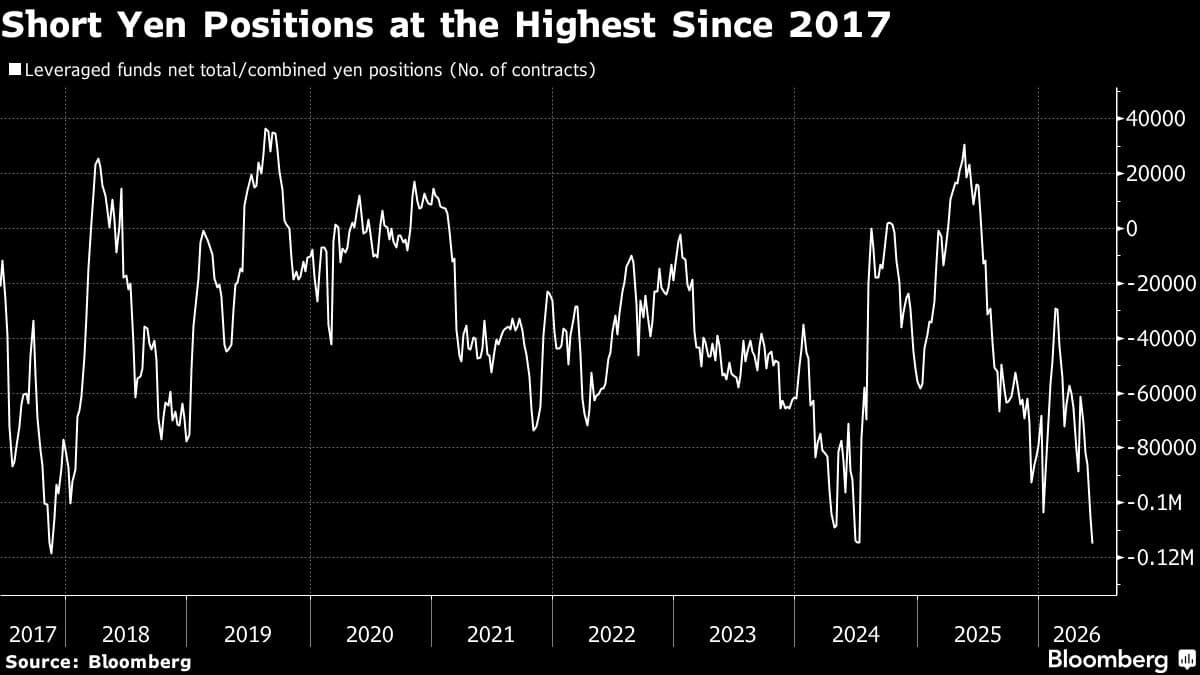
Yen Short Bets Surge to Nine-Year High as the Carry Trade Roars Back
Currency markets are buzzing with a familiar risk appetite. Speculators have ramped up their bets against the Japanese yen to a nine-year high, a clear signal that the yen carry trade — one of the most popular and potentially volatile strategies in global finance — is staging a powerful comeback. This comes despite mounting risks, including the possibility of a rate hike from the Bank of Japan and the ever-present threat of currency intervention by Japanese authorities. For traders, investors, and market watchers alike, the renewed surge in yen short positions raises important questions about what is driving this trend and what it could mean for global financial markets.
What Is the Yen Carry Trade and Why Does It Matter?
To understand the significance of this development, it helps to first understand what the yen carry trade actually is. In simple terms, a carry trade involves borrowing money in a currency with a low interest rate and then investing that money in assets denominated in a currency with a higher interest rate. The trader profits from the difference, or "carry," between the two rates.
For decades, Japan has maintained some of the lowest interest rates in the developed world, making the yen a preferred funding currency for this strategy. Investors borrow cheaply in yen, convert those funds into higher-yielding currencies like the US dollar or emerging market currencies, and pocket the spread. When conditions are calm and the yen remains weak or stable, the strategy can be enormously profitable.
The yen carry trade matters far beyond currency markets because it influences capital flows across asset classes globally. When the trade unwinds — as it dramatically did in mid-2024 — it can trigger sharp selloffs in equities, commodities, and other risk assets as investors rush to repay yen-denominated loans and repatriate capital to Japan.
Why Are Speculators Going Short on the Yen Again?
The return of aggressive yen short positioning reflects a confluence of factors that are once again making the carry trade look attractive. Chief among them is the persistent interest rate differential between Japan and the rest of the developed world, particularly the United States. While central banks in the US and Europe kept rates elevated to combat inflation, the Bank of Japan maintained its ultra-loose monetary policy stance for far longer, keeping the yen structurally weak.
Speculators betting against the yen are essentially wagering that this interest rate gap will persist long enough for them to profit. Even as the Bank of Japan has taken tentative steps toward policy normalization, market participants appear to believe that any tightening will be gradual and limited — not enough to significantly close the yield gap that makes the carry trade so lucrative.
Net short positions on the yen among speculative traders have climbed to their highest level in nine years, according to data from the Commodity Futures Trading Commission. This kind of positioning extreme is a significant market signal. It tells us that a large and growing segment of the speculative community is aligned in the same direction — a setup that can amplify both profits when the trade works and losses when it doesn't.
The Risks That Speculators Are Choosing to Ignore
What makes the current situation particularly striking is the degree of risk that traders appear willing to overlook in pursuit of carry trade gains. Two major threats loom over the strategy.
Bank of Japan Rate Hike Potential
The Bank of Japan has been inching toward policy normalization after years of negative interest rates and yield curve control. Any decision by the BOJ to raise its benchmark rate would immediately compress the interest rate differential that fuels the carry trade. A surprise or more aggressive hike than markets expect could trigger a rapid unwinding of short yen positions, causing the yen to spike sharply higher and inflicting significant losses on traders caught on the wrong side.
Japanese Government Intervention Risk
Japan's Ministry of Finance has shown it is willing to intervene directly in currency markets when it believes yen weakness has become disorderly. In 2022 and again in 2024, Japanese authorities stepped in with large-scale yen-buying operations that sent shock waves through FX markets. With yen short positioning now at a nine-year high, the currency is arguably in the danger zone where policymakers might once again feel compelled to act. A coordinated intervention could cause an immediate and violent reversal for anyone holding a large short position.
What History Tells Us About Crowded Yen Shorts
History offers sobering lessons for those piling into yen shorts at extreme levels. The carry trade has a well-earned reputation for delivering steady, incremental gains followed by sudden, catastrophic reversals. The summer of 2024 was a recent reminder: when the BOJ unexpectedly tightened policy and global risk sentiment soured, the yen surged sharply and carry trade positions unwound rapidly, contributing to one of the most dramatic short-term selloffs in global equities seen in years.
When speculative positioning reaches historically elevated levels, market dynamics can shift quickly. If a catalyst emerges — whether it is a BOJ policy surprise, an intervention announcement, or a broader shift in global risk appetite — the exit can become extremely crowded, amplifying the yen's move and the associated losses.
What This Means for Global Markets
The return of the yen carry trade at such a large scale has implications well beyond the Japanese yen. The strategy channels enormous amounts of capital into risk assets around the world, and its potential unwinding represents a systemic risk factor that investors in equities, bonds, and commodities should be aware of.
- Equity markets in the US and Asia could face selling pressure if a sudden yen spike forces carry traders to liquidate risk positions to cover their yen exposure.
- Emerging market currencies that have benefited from carry trade inflows could weaken sharply if the trade reverses and capital flows back toward Japan.
- Bond markets could see unusual volatility if large-scale position unwinding disrupts normal market dynamics in fixed income.
For now, the consensus among speculative traders appears to be that the carry trade has more room to run. Low Japanese rates, a relatively stable global growth backdrop, and a risk-on sentiment in broader markets are all providing tailwinds. But with short positioning at a nine-year high, the yen carry trade is walking a fine line between opportunity and overextension. The market's next major test may well come from Tokyo — and when it does, the reversal could be swift and severe.
The Bottom Line
The surge in yen short bets to a nine-year high is one of the most significant positioning signals in currency markets today. It reflects genuine confidence in the persistence of global interest rate differentials, but it also represents a level of crowding that historically precedes sharp reversals. With the Bank of Japan weighing further rate hikes and Japanese authorities keeping a close eye on currency levels, the yen carry trade revival comes with substantial tail risk. Savvy market participants would do well to monitor these dynamics closely, because when the yen moves, it rarely does so quietly.