
Asian Stocks Slump as Tech Rout Resumes and Oil Slips: A Full Markets Wrap
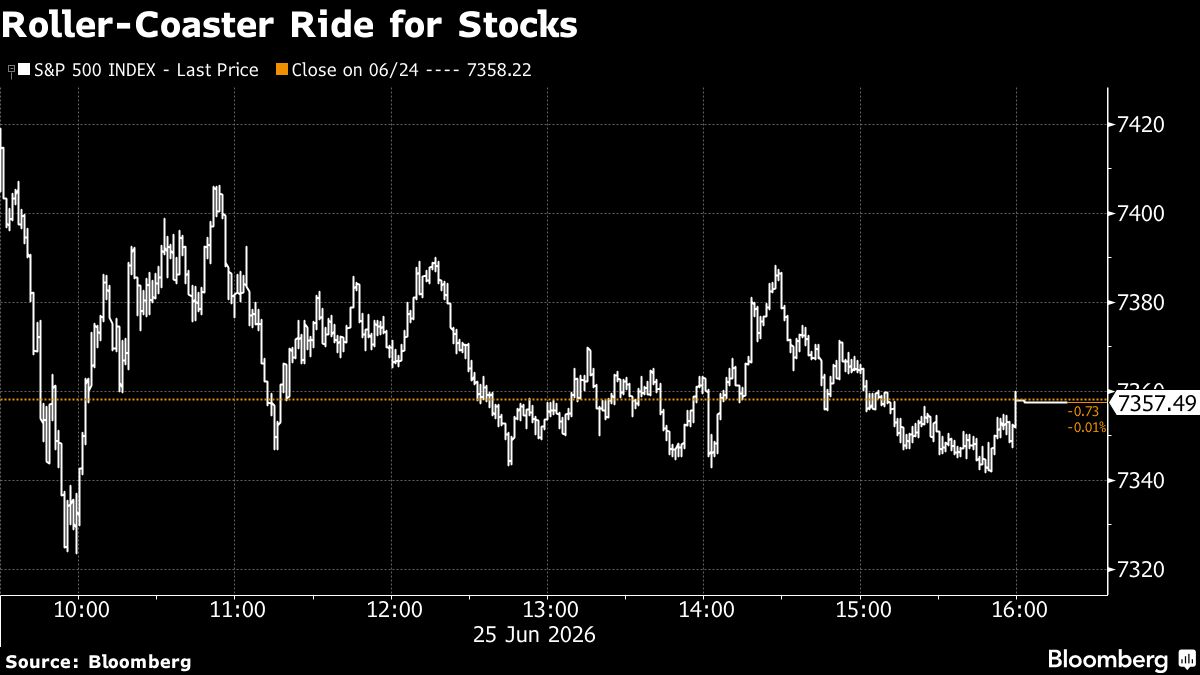
Asian financial markets took a sharp turn lower as technology shares resumed their steep decline, erasing much of the optimism that had briefly emerged following Thursday's explosive rally. The renewed selling pressure dragged Asian stocks to a two-week low, reinforcing a pattern of extreme volatility that has kept investors on edge throughout the week. Meanwhile, oil prices slipped further, compounding the sense of unease spreading across global markets.
For traders and long-term investors alike, this week has served as a stark reminder of just how quickly market sentiment can shift — and how exposed the technology sector remains to sharp, sudden reversals. Whether you are actively managing a portfolio or simply watching the markets from the sidelines, understanding the forces behind this turbulence is essential.
What Triggered the Latest Tech Selloff in Asian Markets?
The immediate catalyst for Friday's decline was a resumption of selling in technology stocks after the sector staged a blistering comeback on Thursday. That prior-day rally had offered brief hope that the worst of the tech rout might be over, but markets quickly demonstrated otherwise. When Asian exchanges opened, sellers returned with renewed conviction, sending major indices lower and pushing Asian stocks to their weakest levels in two weeks.
Technology shares, which had already been under significant pressure throughout the week, bore the brunt of the losses once again. The sector's sensitivity to shifting interest rate expectations, global growth concerns, and geopolitical uncertainty has made it particularly vulnerable to rapid swings in either direction.
This kind of volatile behavior — a powerful rally one day followed by an equally sharp pullback the next — is a hallmark of markets navigating deep uncertainty. When investors cannot agree on whether conditions are improving or deteriorating, prices tend to swing wildly as different groups of buyers and sellers take turns dominating the action.
Understanding the Broader Context of Asian Market Volatility
The turbulence in Asian stocks this week did not emerge from a vacuum. It reflects a broader set of pressures that have been building for months across global financial markets. Several key themes are weighing on investor sentiment:
- Interest rate uncertainty: Central banks in major economies continue to signal caution about cutting rates too quickly. Higher-for-longer interest rates tend to be particularly damaging to high-valuation technology stocks, which rely on future earnings that become less attractive when discount rates rise.
- Global growth concerns: Slowing economic momentum in key markets, including China, has raised questions about demand for technology products and services across the Asia-Pacific region. Weaker growth outlooks dampen corporate earnings forecasts and reduce risk appetite among institutional investors.
- Geopolitical tensions: Ongoing geopolitical friction, including trade policy uncertainty and regional security concerns, adds another layer of unpredictability that markets struggle to price accurately. This uncertainty tends to push investors toward safer assets and away from growth-oriented sectors like technology.
- Profit-taking after extended gains: Many technology stocks across Asia had posted substantial gains earlier in the year, leaving them exposed to aggressive profit-taking whenever negative sentiment takes hold. Thursday's rally likely triggered fresh selling from investors looking to lock in gains before conditions worsen.
Oil Prices Slip, Adding to Market Pressure
Compounding the weakness in equities, oil prices also moved lower during the same session. Falling oil prices send a complex set of signals to financial markets. On one hand, cheaper oil can be beneficial for energy-importing economies across Asia, reducing input costs for businesses and easing inflationary pressures on consumers. On the other hand, declining oil prices often reflect concerns about weakening global demand — and that is the interpretation that tends to weigh most heavily on market sentiment during periods of broader risk aversion.
When both equities and oil are falling simultaneously, it frequently signals that investors are pulling back from risk assets broadly, seeking shelter in bonds, gold, or cash until the outlook becomes clearer. That dynamic appeared to be playing out across Asian markets as the session unfolded, with defensive positioning becoming the dominant strategy of the day.
What the Heightened Volatility Signals for Investors
The pattern of extreme swings in Asian stocks this week — and in the technology sector in particular — highlights an important reality for investors: volatility itself has become one of the defining features of the current market environment. When a sector can surge dramatically one day and give back those gains the very next, it signals that markets have not yet found a stable equilibrium.
For investors, this environment calls for discipline and a clear-eyed assessment of risk tolerance. Chasing short-term rallies in highly volatile sectors can be tempting, especially after a day like Thursday, but Friday's reversal illustrates the danger of assuming that a single strong session marks a turning point. Sustained recoveries typically require a fundamental shift in the underlying conditions driving the selloff — not just a temporary burst of buying enthusiasm.
Key Indicators to Watch in the Days Ahead
As markets continue to navigate this period of heightened uncertainty, several developments deserve close attention from investors tracking Asian stocks and global markets more broadly:
- Central bank communications: Any signals from the U.S. Federal Reserve or Asian central banks regarding the future path of interest rates will carry significant weight for technology stocks and broader equity markets.
- Economic data releases: Upcoming data on manufacturing activity, consumer spending, and employment across major Asian economies will help clarify whether growth concerns are intensifying or stabilizing.
- Oil market developments: Watch for any shifts in supply or demand dynamics that could cause oil prices to move materially in either direction, as these moves often influence broader risk sentiment.
- Technology sector earnings: Corporate earnings reports from major technology companies in the region will provide hard data on whether the sector's fundamentals justify its current valuations — or suggest further downside risk.
Conclusion: Navigating a Volatile Market Landscape
The latest slump in Asian stocks, driven by a renewed tech selloff and sliding oil prices, underscores just how fragile market confidence remains at this moment. Thursday's powerful rally gave way to fresh selling almost immediately, a reminder that in volatile environments, short-term price movements can be deeply misleading signals of the broader trend.
For investors with long-term horizons, moments like this often reward patience and diversification over reactive decision-making. Keeping a close watch on the fundamental drivers — interest rates, growth data, geopolitical developments, and corporate earnings — remains the most reliable compass for navigating what continues to be an exceptionally turbulent stretch for Asian and global markets alike.