
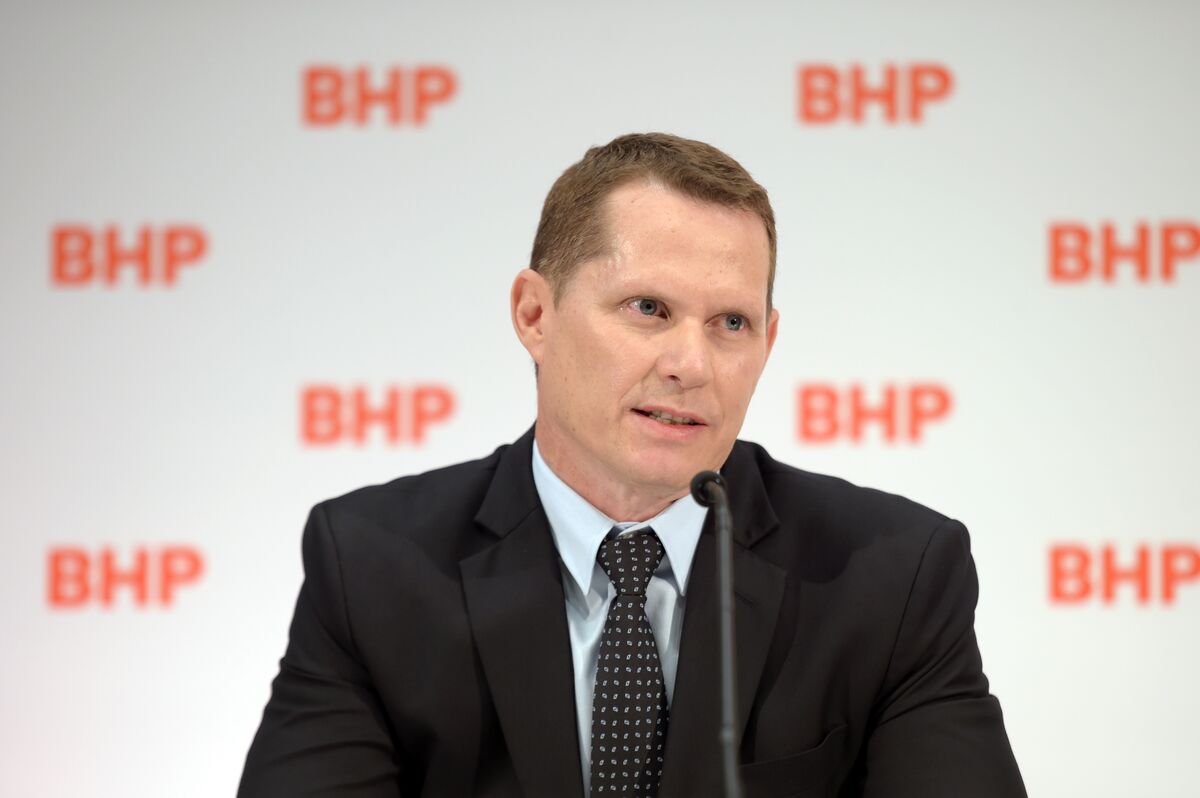
BHP's Incoming CEO Brandon Craig Moves Quickly to Reshape the Leadership Team
Even before officially stepping into the top job, BHP Group's incoming Chief Executive Officer Brandon Craig is wasting no time making his mark. Ahead of his formal assumption of the role on July 1, Craig has announced a series of changes to the mining giant's senior leadership team — a move that signals his intent to steer one of the world's largest resources companies with a fresh strategic vision from day one.
Leadership transitions at major global corporations are always closely watched by investors, industry analysts, and employees alike. When a new CEO begins reshaping the executive bench before even officially starting, it sends a clear message: change is coming, and it is coming fast. For BHP, a company that operates across multiple continents and produces some of the world's most critical resources, these early decisions could have far-reaching consequences.
Who Is Brandon Craig and Why Does His Appointment Matter?
Brandon Craig's ascension to the CEO role at BHP is one of the most anticipated leadership transitions in the global mining industry in recent years. BHP Group is not just any company — it is a titan of the resources sector, with operations spanning iron ore, copper, coal, and nickel across Australia, the Americas, and beyond. The company's decisions ripple through global commodity markets, supply chains, and national economies.
Craig inherits the leadership mantle at a pivotal time. The mining industry is navigating significant headwinds and tailwinds simultaneously — from the accelerating global energy transition and surging demand for copper and other critical minerals, to ongoing geopolitical pressures affecting commodity prices and supply chains. His ability to build a cohesive and capable leadership team from the outset will be crucial to how BHP responds to these forces.
The fact that Craig is making leadership adjustments before formally assuming office underscores both his confidence and his sense of urgency. Rather than waiting to settle in and assess the existing structure over several months — a common approach among incoming executives — Craig appears determined to hit the ground running with a team he has already shaped around his priorities.
What the Leadership Changes Signal for BHP's Strategic Direction
Whenever a new CEO announces leadership team changes, market observers and analysts look for clues about the strategic priorities those moves represent. Changes to the C-suite and senior executive layer are rarely arbitrary — they reflect where a leader intends to focus energy, investment, and attention.
For BHP, the timing of Craig's announcements ahead of July 1 suggests several things. First, it points to a leader who values preparation and proactive planning over reactivity. Second, it indicates that Craig has likely been deeply involved in succession planning discussions well before his official appointment was finalized, giving him the clarity needed to act swiftly.
The restructuring of leadership teams in major resource companies often precedes significant operational or strategic shifts — whether that involves accelerating capital allocation toward high-growth commodity segments like copper, reevaluating portfolio assets, expanding into new geographies, or driving productivity improvements across existing operations. Craig's early moves will be watched carefully for what they reveal about BHP's priorities in the years ahead.
The Broader Context: Leadership Transitions in the Mining Industry
BHP is not alone in navigating a leadership transition during a period of extraordinary change for the global mining sector. Across the industry, companies are grappling with how to position themselves for a world that increasingly demands the raw materials needed for electric vehicles, renewable energy infrastructure, and digital technologies — while simultaneously managing legacy operations, environmental responsibilities, and community relationships.
Effective leadership in this context requires a rare combination of operational expertise, strategic vision, financial acumen, and stakeholder management skills. The composition of a CEO's leadership team is often the clearest indicator of how they intend to balance these competing demands.
In recent years, mining companies have increasingly elevated executives with backgrounds in sustainability, technology, and stakeholder engagement alongside traditional operational and financial leaders. Whether Craig's team adjustments reflect a similar philosophy will become clearer once the full details of the appointments are known and his broader strategic agenda begins to take shape.
What Investors and Stakeholders Should Watch For
For investors tracking BHP Group, the leadership changes announced by Brandon Craig ahead of his July 1 start represent an important early signal. Here are several key considerations to keep in mind as the transition unfolds:
- Portfolio strategy: Watch for any early signals about which commodities and geographies BHP may prioritize or de-emphasize under Craig's leadership, particularly given the ongoing global focus on copper and critical minerals for the energy transition.
- Operational efficiency: New leadership teams often bring renewed focus on cost management and productivity. BHP's vast operational footprint offers significant scope for improvement, and Craig's team composition may hint at where efficiency drives will be targeted.
- Sustainability commitments: BHP has made substantial public commitments around decarbonization and responsible mining. The new leadership team's credentials in this space will matter to institutional investors and ESG-focused stakeholders.
- Capital allocation: Decisions around dividends, share buybacks, and capital investment are always central to BHP's investment case. The strategic priorities reflected in Craig's leadership team could influence how the company balances returns to shareholders with growth investment.
- Stakeholder relations: BHP operates in communities and jurisdictions around the world where relationships with governments, local communities, and Indigenous groups are critical. Leadership appointments that strengthen these capabilities would be a positive sign.
A New Chapter for One of the World's Biggest Miners
Brandon Craig's decision to announce leadership changes before officially taking the CEO role on July 1 is a deliberate and confident statement of intent. It demonstrates that he arrives not as a caretaker or a passive inheritor of the status quo, but as a leader ready to put his own stamp on one of the most consequential companies in the global resources industry.
BHP has long been regarded as a bellwether for the broader mining sector. How Craig navigates the opportunities and challenges ahead — armed with the team he is assembling now — will be closely watched not just by shareholders and analysts, but by governments, competitors, and communities around the world who are affected by the decisions made in BHP's boardrooms.
As July 1 approaches, all eyes will be on Brandon Craig. His early moves suggest that the new chapter for BHP Group is already being written — and it is being written with purpose, speed, and a clear sense of direction.