
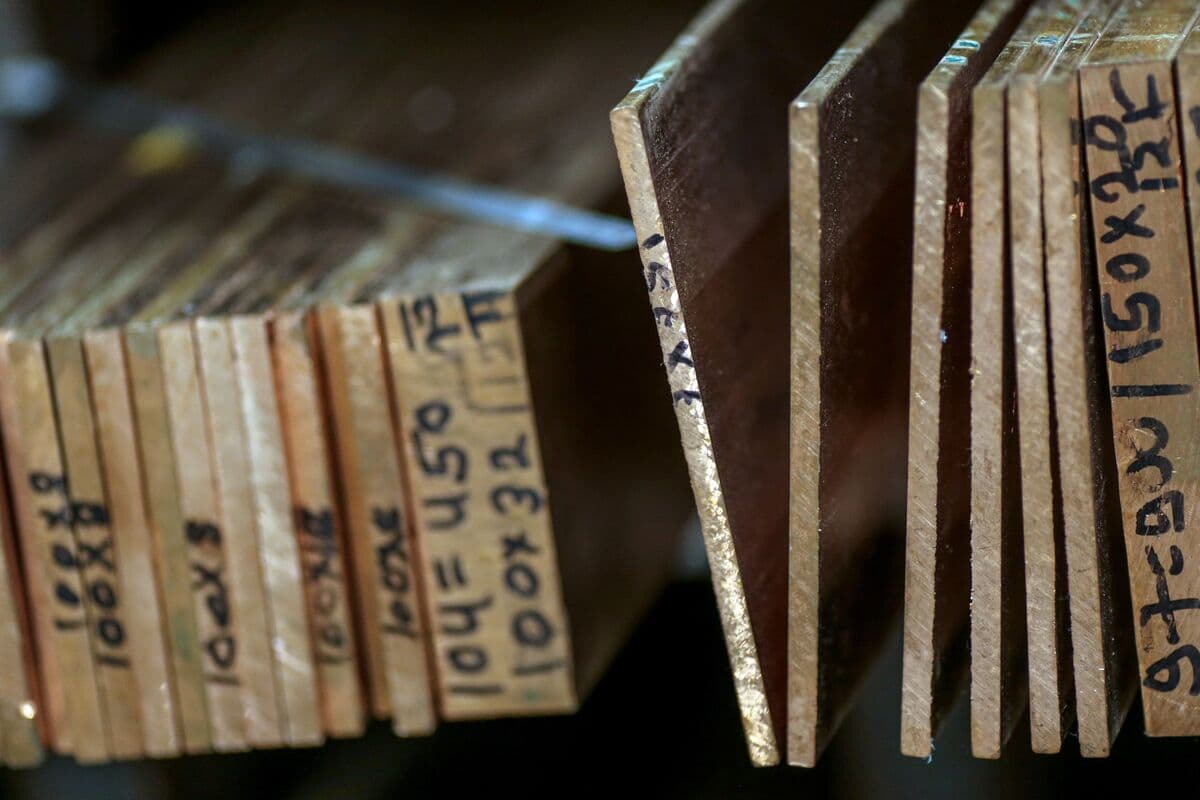
Copper Prices Surge as US-Iran Peace Deal Reshapes Market Sentiment
Copper markets kicked into high gear this week as an interim peace agreement between the United States and Iran sent a jolt of optimism through global commodity markets. The red metal, long regarded as one of the most reliable economic bellwethers in the world, climbed notably higher as traders recalibrated their expectations for global growth and industrial activity. For investors watching the metals space, the move offered a clear reminder of just how sensitive copper prices can be to geopolitical developments thousands of miles away from the nearest mine or smelter.
The rally was swift and decisive. Bulls who had been waiting on the sidelines for a catalyst found exactly what they were looking for in the form of a diplomatic breakthrough that had eluded markets for months. As fears over a broader Middle Eastern conflict began to recede, risk appetite returned, and copper was among the first beneficiaries.
Why the US-Iran Agreement Matters for Copper
At first glance, a peace deal between Washington and Tehran might seem like a purely political event with limited relevance to copper futures trading. In reality, the two are more connected than most casual observers realize. Here is why geopolitical stability in the Middle East carries real weight for industrial metals markets.
Global Growth Expectations Drive Metals Demand
Copper is consumed in enormous quantities across construction, electronics, power generation, and transportation infrastructure. Demand for the metal rises and falls in close step with the overall health of the global economy. When geopolitical tensions flare, they inject uncertainty into growth forecasts. Businesses delay capital investment, manufacturers pull back on orders, and economists revise their projections downward. All of that translates directly into weaker anticipated demand for copper.
The US-Iran interim agreement did the opposite. By reducing the perceived risk of an escalating conflict that could disrupt energy supply chains, strain emerging market economies, and rattle financial markets, it allowed investors to breathe easier about the trajectory of global growth. A more stable geopolitical backdrop supports stronger demand projections, and stronger demand projections support higher copper prices.
Oil Market Stability and Industrial Activity
The Middle East remains central to global oil supply, and any conflict involving Iran carries the potential to disrupt crude oil flows through the Strait of Hormuz, one of the world's most critical energy chokepoints. Elevated oil prices act as a tax on industrial activity worldwide, raising costs for manufacturers, logistics companies, and utilities — all major consumers of copper. By easing the threat of an oil supply shock, the diplomatic agreement indirectly reinforced the positive outlook for metals demand.
Copper's Role as an Economic Barometer
Few commodities carry as much symbolic and analytical weight as copper. The metal has earned the nickname "Dr. Copper" in financial markets precisely because of its track record as a leading indicator of economic health. When copper rises, it tends to signal that market participants see stronger industrial output and infrastructure spending on the horizon. When it falls, the opposite concern takes hold.
The latest rally fits squarely within that framework. Markets interpreted the US-Iran agreement as a meaningful reduction in downside risk to the global economy, and copper responded accordingly. For analysts who use the metal's price movements as a real-time gauge of economic momentum, the move upward was an encouraging signal that the broader risk environment was improving.
What the Bulls Are Watching Now
With sentiment shifting in their favor, copper bulls are keeping a close eye on several factors that could extend or undermine the current rally.
Chinese Demand Remains the Dominant Variable
China accounts for roughly half of global copper consumption, making it by far the single most important demand driver for the metal. Any meaningful uptick in Chinese industrial activity, infrastructure investment, or property sector stabilization has the potential to add considerable fuel to the rally. Conversely, disappointing data from Beijing remains one of the most significant risks for copper bulls to manage. Traders will be watching Chinese manufacturing surveys, property construction figures, and official stimulus announcements with particular attention in the weeks ahead.
Supply Constraints Add a Structural Tailwind
Beyond the immediate geopolitical catalyst, the longer-term supply picture for copper remains a source of underlying support. Major copper mining projects face long development timelines, permitting challenges, and rising operational costs. Some of the world's largest producing regions have experienced disruptions related to labor disputes, water scarcity, and declining ore grades. This structural tightness in supply means that even modest improvements in demand expectations can have an outsized effect on prices.
The Energy Transition Continues to Drive Long-Term Demand
Electric vehicles, solar panels, wind turbines, and grid-scale battery storage systems all require substantial quantities of copper. The global transition away from fossil fuels has created a secular demand tailwind for the metal that extends well beyond any single quarterly economic cycle. As governments around the world continue to expand clean energy investment, copper's long-term demand profile remains structurally compelling regardless of short-term geopolitical fluctuations.
Market Implications and Investor Takeaways
For investors and traders navigating the metals market, the copper rally triggered by the US-Iran agreement underscores a fundamental truth about commodity markets: geopolitical risk premiums are real, and when they are removed, prices move. The speed of copper's response to the diplomatic news reflects a market that had already priced in a meaningful degree of uncertainty, leaving room for a sharp repricing once that uncertainty diminished.
Those with exposure to copper through mining equities, exchange-traded funds, or futures contracts will want to monitor how durably the peace agreement holds and whether it translates into a sustained improvement in global economic sentiment. A deal that proves fragile or fails to advance to a permanent resolution could quickly reverse the current momentum.
That said, the combination of a more benign geopolitical environment, persistent supply constraints, resilient clean energy demand, and the potential for renewed Chinese stimulus creates a backdrop that many analysts view as broadly supportive for copper through the remainder of the year. For the bulls who stepped in on the news, the conditions that drove this week's pop may just be the beginning of a longer move higher.