
Australia's Energy Future Is Being Rewritten by Data Centers
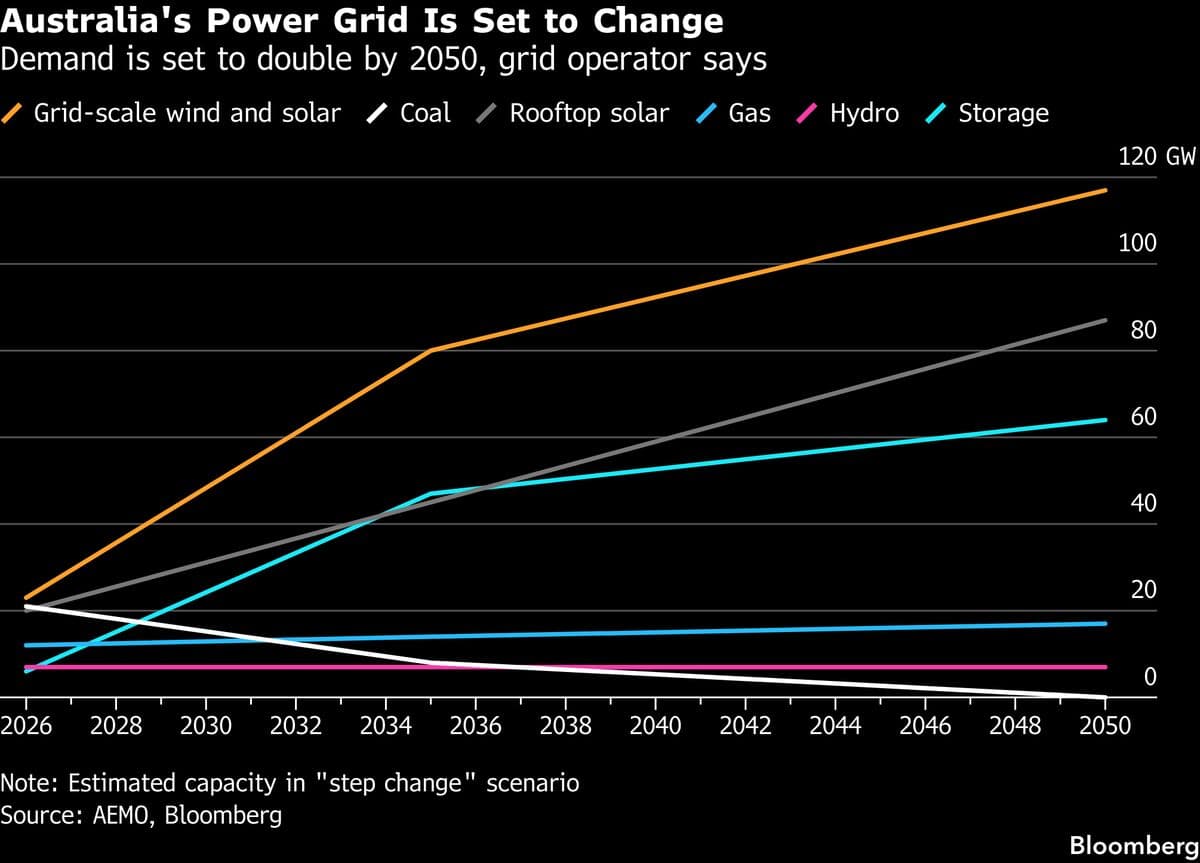
Australia is standing at the edge of an energy transformation unlike anything the country has experienced before. According to the nation's main grid operator's latest road map, electricity consumption across Australia's primary grid is projected to nearly double by 2050. At the heart of this seismic shift is a single, rapidly growing force: data centers. Once considered a niche corner of the technology sector, data centers are now emerging as one of the most significant drivers of long-term energy demand in the country — and the implications for infrastructure, investment, and sustainability policy are profound.
What the Grid Operator's Road Map Actually Says
The network operator's latest planning document paints a detailed picture of Australia's electricity consumption trajectory over the next 25 years. The headline finding is striking: overall power demand across the main grid is set to nearly double between now and 2050. While electrification of transport, heating, and industrial processes all contribute to this projected rise, data center load stands out as a particularly sharp and accelerating component of that growth.
The road map signals that data center power demand is "poised to surge" over the next quarter-century, suggesting the pace of expansion will not be gradual or incremental. Instead, it will be steep, driven by structural trends that show little sign of reversing. For grid planners and energy policymakers, this is a planning challenge of the highest order — one that demands immediate attention and long-term strategic thinking.
Why Data Centers Are Consuming More Power Than Ever
To understand why Australia's grid faces such enormous pressure from data centers, it helps to look at what is driving their expansion in the first place. Several powerful forces are converging simultaneously.
The Artificial Intelligence Revolution
The explosive growth of artificial intelligence — from large language models to machine learning platforms and real-time inference tools — requires enormous computational power. AI workloads are significantly more energy-intensive than traditional computing tasks, meaning that each new AI data center deployment draws far more electricity per square meter than the server farms of a decade ago. Australia, positioning itself as a regional technology hub, is attracting exactly these kinds of facilities at scale.
Cloud Computing and Digital Infrastructure Demand
Global cloud computing giants have been steadily expanding their Australian footprint, recognizing the country's strategic location for serving Asia-Pacific markets. As businesses migrate legacy systems to the cloud, demand for physical data center space and the energy needed to run it grows proportionally. Enterprise digitization, remote work infrastructure, and streaming media are all compounding this effect.
Data Sovereignty and Localization Requirements
Increasingly stringent data sovereignty regulations — both in Australia and among its trading partners — are requiring that data generated in a country or region be stored and processed within that same jurisdiction. This regulatory trend is pushing more digital workloads onto Australian soil, with corresponding increases in domestic energy consumption.
The Scale of the Challenge for Australia's Grid
Doubling electricity demand over 25 years is not simply a matter of building more power plants. It requires a wholesale rethinking of transmission infrastructure, storage capacity, renewable energy generation, and demand management strategies. Australia's existing grid was designed for a different era — one in which large industrial consumers were the primary load drivers and residential demand was relatively predictable and stable.
Data centers present a fundamentally different demand profile. They operate around the clock, every day of the year, with high baseline loads that do not flex with the season or time of day in the way that household consumption does. This creates persistent pressure on baseload supply and requires grid operators to plan for consistent, high-volume energy delivery rather than managing peaks and troughs.
There is also a geographic dimension to this challenge. Data centers tend to cluster in specific areas — typically close to major population centers and existing fiber optic infrastructure — creating localized demand hotspots that can strain regional transmission capacity even when the national grid as a whole has surplus generation available.
Renewable Energy: Opportunity Within the Challenge
While the scale of projected demand growth is daunting, it also carries a significant upside. Major technology companies operating data centers have made ambitious public commitments to 100% renewable energy consumption. This creates a powerful source of demand for new wind, solar, and battery storage projects — potentially accelerating Australia's clean energy transition in ways that benefit all electricity users.
Australia's exceptional renewable resources, including some of the world's best solar irradiance and significant wind corridors, position it well to supply data centers with low-carbon electricity. The alignment between large-scale renewable development and data center energy procurement could become one of the defining features of Australia's energy economy through mid-century.
Policy and Infrastructure Investment Must Keep Pace
The grid operator's findings make clear that business as usual is not an option. Meeting the demands of a near-doubled electricity market by 2050 will require coordinated action across government, industry, and the energy sector. Key priorities include:
- Accelerating transmission network upgrades to move renewable energy from generation zones to demand centers, including data center clusters.
- Developing clear planning frameworks for large-scale energy users like data centers to connect to the grid efficiently and without causing undue disruption to other consumers.
- Incentivizing data center operators to invest in on-site generation, battery storage, and demand-response capabilities that reduce pressure on the broader network during peak periods.
- Expanding long-duration energy storage infrastructure to ensure reliable supply from variable renewable sources at the volumes data centers require.
Australia's Place in the Global Digital Economy
The rise of data center-driven power demand is not unique to Australia — it is a global phenomenon playing out in the United States, Europe, Southeast Asia, and beyond. What makes Australia's situation distinctive is the combination of its ambitious decarbonization goals, its exceptional renewable energy potential, and its growing strategic importance as a digital infrastructure hub for the Asia-Pacific region.
Getting the energy transition right in the face of surging data center demand will determine not just the reliability and affordability of electricity for Australian households and businesses, but the country's long-term competitiveness as a location for high-value digital investment. The grid operator's road map is a call to action — one that planners, policymakers, and industry leaders would be unwise to ignore.
The Bottom Line
Australia's electricity grid is entering a period of profound and accelerating change. Data centers, powered by the twin engines of artificial intelligence and cloud computing, are emerging as one of the most consequential new sources of energy demand the country has ever faced. With overall grid consumption projected to nearly double by 2050, the decisions made today — about infrastructure investment, renewable energy development, and regulatory frameworks — will shape Australia's energy landscape for generations to come. The surge is coming. The question is whether Australia will be ready to meet it.