
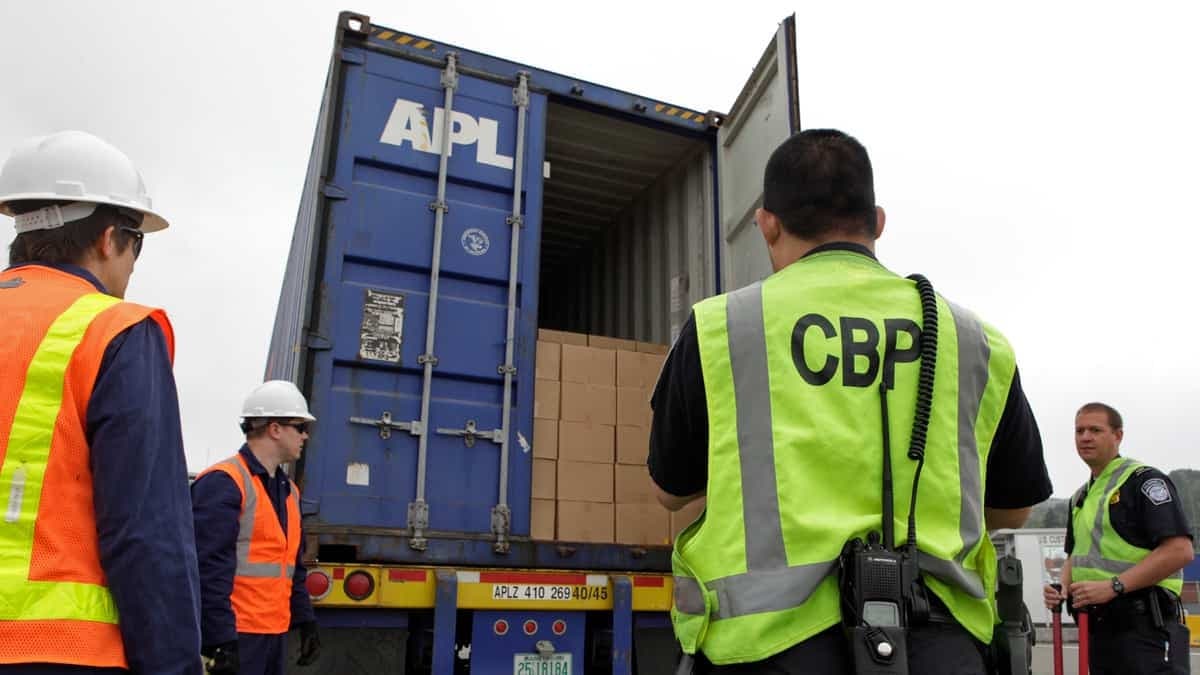
DOT Launches Bold Plan to Pre-Screen Import Containers and Streamline America's Supply Chain
The U.S. Department of Transportation (DOT) has unveiled a sweeping new logistics initiative aimed at transforming how import containers are processed at American ports. Called the American Supply Chain Sovereignty Initiative, the program would introduce pre-screening of import containers to accelerate freight movement, reduce bottlenecks, and ultimately lower costs for consumers and businesses across the country. The announcement was made by Transportation Secretary Sean Duffy during a high-profile visit to the Port of Los Angeles — one of the nation's busiest trade gateways — and signals a significant shift in how the federal government plans to manage the flow of goods into the United States.
What Is the American Supply Chain Sovereignty Initiative?
At its core, the American Supply Chain Sovereignty Initiative proposes pre-screening import containers before they arrive at port — much like the Trusted Traveler programs that allow pre-approved airline passengers to move through airport security faster. Secretary Duffy drew this comparison directly during his press conference, highlighting how expedited screening for low-risk cargo could dramatically reduce congestion at major ports.
The initiative also includes plans for a centralized digital dashboard designed to connect key players across the logistics ecosystem. This platform would link logistics hubs, transportation providers, and retailers, creating greater transparency and coordination throughout the supply chain. According to the DOT, a more connected and transparent supply chain will:
- Accelerate cargo processing at ports of entry
- Lower overall logistics and transportation costs
- Empower America's transportation workforce with better tools and information
- Prevent supply chain bottlenecks that lead to delays and price increases
The initiative represents one of the most ambitious federal supply chain modernization efforts in recent memory, building on lessons learned from pandemic-era port congestion and ongoing trade disruptions.
Why Pre-Screening Containers Matters
To understand the potential impact of this initiative, it helps to look at the scale of the problem it is trying to solve. In 2025 alone, nearly 52 million containers were processed at U.S. ports, with the vast majority passing through the ten largest gateways, including Los Angeles, Long Beach, New York/New Jersey, and Savannah. Despite this enormous volume, U.S. Customs and Border Protection (CBP) physically inspects only 3 to 5 percent of all incoming containers. The rest are cleared through a combination of document reviews and automated targeting systems.
When a container is flagged for a physical exam, the importer bears the full cost of that inspection — a burden that can run into thousands of dollars per container and add days of delay to supply chains already under strain. By creating a trusted importer or pre-screened cargo pathway, the DOT's initiative aims to streamline clearance for verified, low-risk shipments while focusing inspection resources on higher-risk cargo. This mirrors the logic behind CBP's existing Customs-Trade Partnership Against Terrorism (C-TPAT) program, but on a much larger and more technologically integrated scale.
The Political and Economic Context
The timing of this announcement is no coincidence. The rollout of the American Supply Chain Sovereignty Initiative comes amid growing public frustration over rising prices for everyday goods, including food, gasoline, and household staples. Polling data has shown a significant drop in voter approval of President Donald Trump's handling of the economy, and there is increasing concern within the Republican Party that the affordability crisis could cost the party its majority in the House of Representatives — and potentially the Senate — in the upcoming midterm elections.
Secretary Duffy addressed the economic stakes directly, stating: "When it comes to our supply chains, time is money. Fewer delays mean lower costs throughout the entire supply chain. The American Supply Chain Sovereignty Initiative will prevent bottlenecks, move freight faster, and deliver goods more affordably for the American people."
The initiative is being positioned as a practical, near-term measure that the administration can point to as a concrete step toward lowering prices — without requiring changes to tariff policy or trade agreements, both of which remain politically contentious.
Funding, Legislation, and What Comes Next
Despite the ambitious scope of the proposal, several key details remain unclear. Secretary Duffy did not disclose the estimated cost of the initiative during the Port of Los Angeles press conference. He did, however, call on Congress to incorporate enabling legislation into the National Defense Authorization Act (NDAA) for the current year — a move that would give the program a stronger legal and funding foundation.
Notably, the official DOT press release did not specifically mention container pre-screening or many of the details Duffy revealed at the press conference, leaving industry stakeholders and policymakers waiting for more comprehensive guidance on implementation timelines, eligibility criteria, and technology requirements for the proposed dashboard platform.
What It Means for Importers, Shippers, and Retailers
For businesses that rely on imported goods — from major retailers to small e-commerce sellers — the American Supply Chain Sovereignty Initiative could represent a meaningful reduction in logistics costs and lead times if implemented effectively. Faster container clearance means goods move from ships to shelves more quickly, reducing inventory holding costs and improving supply chain predictability.
Transportation providers and freight brokers could also benefit from the proposed logistics dashboard, which promises greater visibility into cargo status, port conditions, and carrier availability. In a sector where margins are thin and timing is everything, that kind of real-time data access could be transformative.
A Step Toward Supply Chain Modernization
The American Supply Chain Sovereignty Initiative reflects a broader recognition — long overdue in many industry observers' view — that the United States needs a more modern, data-driven approach to managing its import infrastructure. Whether through pre-screening programs, digital coordination platforms, or workforce investments, the initiative signals that the federal government is willing to take a more active role in shaping supply chain efficiency. As the details continue to emerge and Congress weighs its response, the logistics industry will be watching closely to see whether this initiative delivers on its considerable promise.