
Edgewell Personal Care Rejects Unsolicited Takeover Offer from Yellow Wood Partners
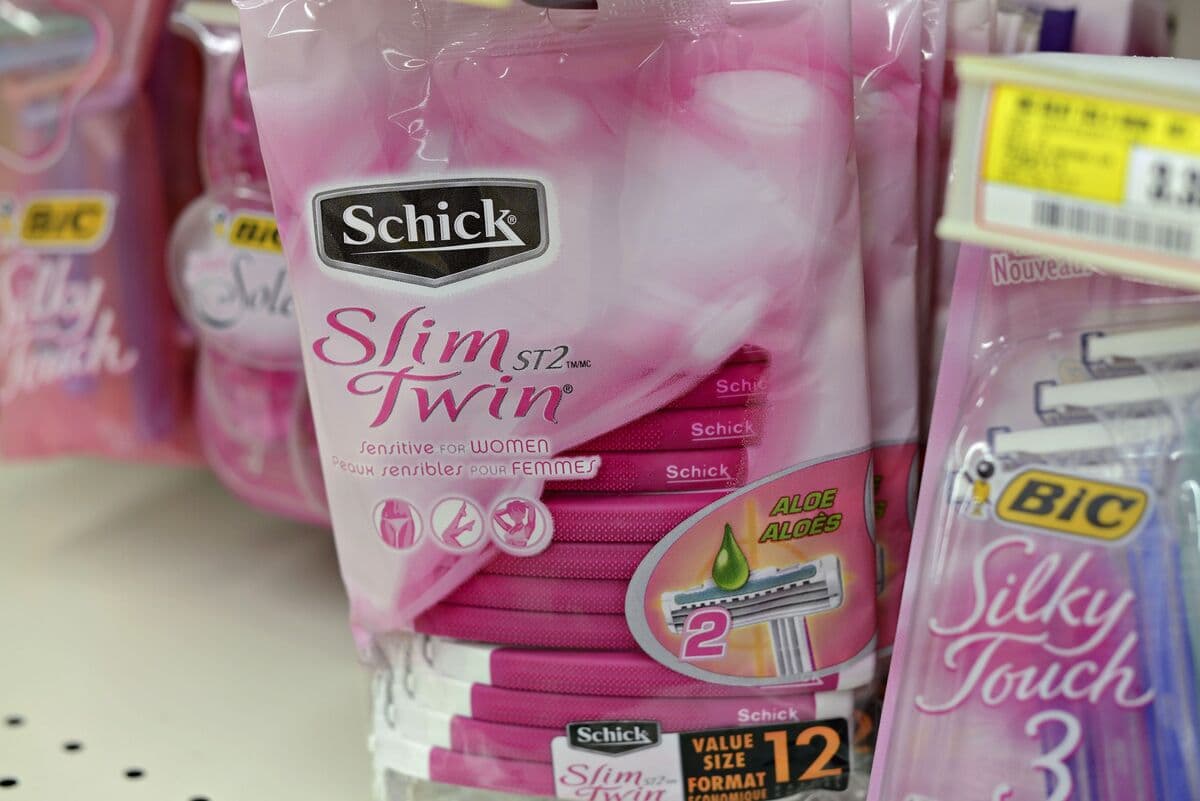
In a significant development within the consumer goods and personal care industry, Edgewell Personal Care Co. — the company behind the widely recognized Schick razor brand — has reportedly rejected an unsolicited takeover offer from private equity firm Yellow Wood Partners. According to people familiar with the matter, Edgewell's board declined the approach, signaling that the company does not currently view an acquisition on those terms as being in the best interests of its shareholders. The news has drawn considerable attention from investors, analysts, and industry watchers who closely monitor consolidation trends in the personal care and consumer products space.
Who Is Edgewell Personal Care?
Edgewell Personal Care is a global consumer products company with a portfolio of well-established brands that go well beyond its flagship Schick razor line. Founded as a spin-off from Energizer Holdings in 2015, the company has grown into a significant player across several personal care categories. Its brand lineup includes Wilkinson Sword, Banana Boat sun care products, Hawaiian Tropic, Carefree, Stayfree, and Playtex, among others. Headquartered in Shelton, Connecticut, Edgewell operates in more than 50 countries and has long positioned itself as a challenger brand competing against consumer goods giants such as Procter & Gamble and its Gillette brand.
Despite its broad portfolio, Edgewell has faced considerable pressure in recent years as the shaving market undergoes structural shifts. The rise of direct-to-consumer brands like Dollar Shave Club and Harry's — the latter of which Edgewell actually attempted to acquire in 2019 before the deal was blocked by regulators — has disrupted traditional grooming product distribution and challenged legacy brands to adapt their strategies. Against this backdrop, the company's rejection of a private equity bid raises important questions about its strategic direction and long-term vision.
Who Is Yellow Wood Partners?
Yellow Wood Partners is a Boston-based private equity firm that specializes in acquiring and building consumer brands. The firm has a track record of targeting companies in the personal care, health and wellness, and household products sectors, often focusing on businesses where operational improvements and brand repositioning can unlock meaningful value. Yellow Wood has previously owned brands such as Alberto Culver and has demonstrated a consistent appetite for consumer-facing businesses with strong name recognition but potential for operational optimization.
The firm's interest in Edgewell fits squarely within its investment thesis. Edgewell's stable of legacy consumer brands, combined with the company's current market valuation and the ongoing pressures it faces from both nimble startups and dominant incumbents, would likely present Yellow Wood with what it sees as a classic private equity opportunity — the chance to acquire a well-known brand at a compelling price, streamline operations, and either grow the company or eventually sell it at a profit.
Why Did Edgewell Reject the Offer?
While the specific financial terms of Yellow Wood's unsolicited offer have not been publicly disclosed, the rejection suggests that Edgewell's board believes the bid significantly undervalued the company or that remaining independent offers a more attractive path to long-term value creation. Boards of publicly traded companies routinely reject unsolicited offers for several reasons, including price disagreements, concerns about deal certainty, or confidence in the company's standalone strategic plan.
Edgewell may also be signaling that it is not in a position of weakness, despite the competitive headwinds it faces. The company has made deliberate efforts to modernize its brand portfolio, invest in innovation, and expand its presence in fast-growing personal care categories. If management believes these initiatives are on the verge of bearing fruit, it would make sense to push back against what it perceives as an opportunistic bid timed to take advantage of a temporary dip in valuation.
Additionally, Edgewell's experience with the failed Harry's acquisition attempt may have made its leadership more cautious and deliberate about any major corporate transaction — whether as buyer or seller. Having navigated regulatory scrutiny once before, the company's board is presumably well aware of the complexities involved in large-scale deals within the personal care sector.
What This Means for the Personal Care M&A Landscape
The unsolicited approach by Yellow Wood Partners reflects a broader trend of private equity firms targeting consumer goods companies that may be trading below their intrinsic value. As interest rates stabilize and deal activity begins to recover from a relatively muted period for mergers and acquisitions, mid-sized consumer brands with loyal customer bases and global distribution are becoming increasingly attractive targets for financial sponsors looking to deploy capital.
For the personal care sector specifically, consolidation pressure is not going away. Legacy brands must continuously invest in product innovation, digital marketing, and direct-to-consumer capabilities just to maintain market share. Private equity ownership can sometimes accelerate these investments — but it can also introduce cost-cutting pressures that harm brand equity in the long run. Edgewell's board appears to have concluded, at least for now, that the risks of a private equity-led transaction outweigh any potential benefits.
Looking Ahead: What Are Edgewell's Options?
Rejecting an unsolicited bid does not necessarily mean Edgewell is closed to all strategic alternatives. Companies in similar situations often find themselves evaluating a range of options, including seeking a more favorable offer from another suitor, pursuing their own acquisition strategy to strengthen the portfolio, or doubling down on organic growth initiatives to demonstrate value to shareholders.
It is also worth noting that rejected unsolicited bids sometimes evolve into formal negotiations if the potential acquirer raises its offer or if market conditions shift. Yellow Wood Partners may choose to make a revised proposal, go public with its interest to apply shareholder pressure, or walk away entirely. Edgewell's management and board will need to remain vigilant and responsive to shareholder sentiment as this situation continues to develop.
Key Takeaways
- Edgewell Personal Care, the maker of Schick razors, has rejected an unsolicited takeover bid from private equity firm Yellow Wood Partners, according to sources familiar with the matter.
- Yellow Wood Partners is a Boston-based private equity firm with a focus on consumer brands, making Edgewell a natural fit for its investment strategy.
- Edgewell's rejection likely reflects a belief that the bid undervalued the company or that its standalone growth strategy offers superior long-term value for shareholders.
- The move highlights ongoing consolidation pressures in the personal care industry, where legacy brands face competition from direct-to-consumer challengers and consumer goods giants alike.
- The situation remains fluid, and further developments — including a revised offer or engagement with other strategic parties — remain possible in the months ahead.
As the personal care market continues to evolve, all eyes will be on Edgewell to see how it responds to both the competitive dynamics reshaping its industry and the M&A pressures now knocking at its door. Whether the company ultimately charts an independent course or eventually finds a strategic partner, this rejected bid marks a pivotal moment for one of the most recognizable names in everyday grooming.