
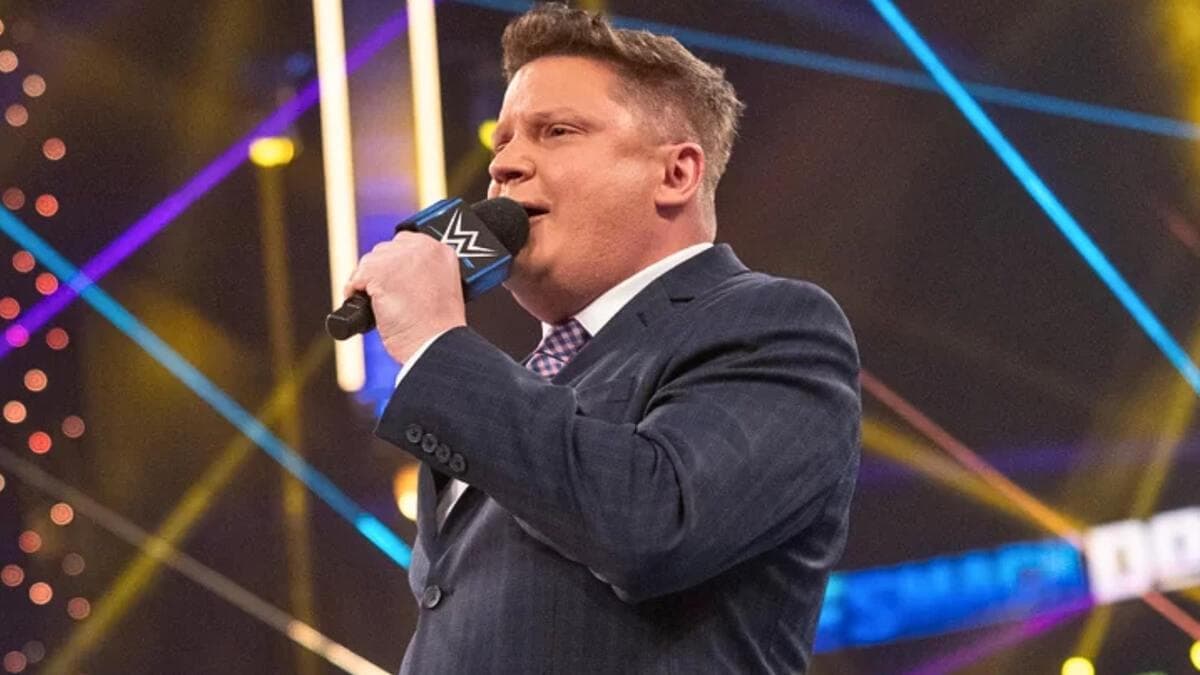
Greg Hamilton Makes the Jump: From WWE to the World of Combat Sports
When a voice becomes synonymous with an era, its departure from one stage and arrival at another becomes a headline in itself. Greg Hamilton — the powerfully distinctive ring announcer who spent years introducing the world's biggest WWE Superstars — has made a significant pivot into professional combat sports, joining the Professional Fighters League (PFL) as a key piece of its presentation team. In a candid conversation about his career transition, Hamilton shed light on what drew him to PFL, how he views the growing landscape of combat sports organizations like TKO Group Holdings and UFC, and what he made of recent major events including UFC Freedom 250 and MVP Promotions' latest supercard.
Leaving WWE Behind: A Career Crossroads
For any performer whose career is deeply embedded in one organization, the decision to move on is rarely simple. Greg Hamilton's departure from WWE marked the end of a chapter that had seen him become one of the most recognizable voices in sports entertainment. His baritone delivery and commanding stage presence made him a fan favorite in arenas around the world, and his absence from WWE programming was felt immediately by audiences who had grown accustomed to hearing him announce championship bouts and pay-per-view main events.
But rather than stepping away from live event performance entirely, Hamilton channeled his energy and expertise into a world that, in many ways, shares DNA with the world he came from. Professional fighting — whether MMA, boxing, or hybrid combat sports — demands the same blend of gravitas, timing, and crowd engagement that professional wrestling has long perfected. For Hamilton, the transition was less of a leap and more of a lateral stride into familiar emotional territory.
Speaking about the move, Hamilton expressed genuine enthusiasm for what PFL represents in the current combat sports ecosystem. The organization's unique season-based format, culminating in a $1 million prize for divisional champions, gives it a distinct identity in a market crowded with promotions vying for fighter and fan attention alike.
What PFL Brings to the Table
The Professional Fighters League has positioned itself as one of the most innovative organizations in MMA. Unlike the UFC's traditional model of matchmaking and event-driven storytelling, PFL runs a structured regular season followed by playoffs and a championship night — a model borrowed from traditional American sports leagues. This format has given the promotion a unique narrative arc that builds fan investment across an entire calendar year.
For Greg Hamilton, stepping into this environment means more than just reading names and weights. It means becoming part of a storytelling machine that relies heavily on production quality, broadcaster credibility, and the kind of live event atmosphere that converts casual viewers into loyal fans. His background in WWE — an organization that has arguably done more than any other to master the theater of live sport — makes him an ideal ambassador for PFL's ambitions on that front.
Hamilton has spoken openly about wanting to bring the same level of professionalism and emotional investment to PFL events that he brought to WWE programming. In a landscape where combat sports promotions are increasingly competing not just on fighter quality but on overall presentation and fan experience, that kind of polish matters enormously.
Reacting to TKO Group Holdings and the UFC's Continued Dominance
No conversation about combat sports in 2024 and beyond can ignore the towering presence of TKO Group Holdings, the publicly traded company formed through the merger of WWE and UFC parent Endeavor. TKO has effectively consolidated two of the most powerful brands in live sports entertainment under a single corporate umbrella, giving both organizations greater resources, cross-promotional potential, and mainstream media visibility.
Hamilton's perspective on TKO is nuanced. Having spent years inside WWE — now a TKO property — he understands firsthand the scale and institutional momentum that organization commands. At the same time, his move to PFL signals a belief that there is meaningful space in the market for organizations that operate differently, that take creative risks, and that aren't bound by the conventions of the industry's dominant players.
When it comes to UFC specifically, Hamilton offered his reaction to UFC Freedom 250, a marquee event that drew significant attention from combat sports fans and media alike. The card underscored the UFC's continued ability to deliver high-profile matchups on major occasions, leveraging its roster depth and production capabilities to stage events that feel genuinely significant. Hamilton acknowledged the quality of the event while also noting that competitive promotions like PFL are working hard to close the gap in terms of event prestige and public awareness.
MVP Promotions and the Broader Combat Sports Landscape
Hamilton also weighed in on MVP Promotions, which has been generating buzz in combat sports circles with its recent supercard activity. MVP — run by former WWE star Montel Vontavious Porter — has been carving out its own niche in the boxing and combat sports world, and its events have attracted both attention and credibility in a relatively short period of time.
From Hamilton's vantage point, the activity from promotions like MVP reflects a broader truth about the current state of combat sports:
- The market for live fight events is expanding, not contracting, creating room for multiple promotions to coexist and thrive.
- Fan bases are increasingly willing to follow individual fighters and personalities across organizational lines rather than pledging loyalty to a single brand.
- Production quality and presentation are becoming key differentiators as organizations compete for streaming deals, broadcast partnerships, and live gate revenue.
- Former WWE talent — both behind the scenes and in front of the camera — are bringing sports entertainment polish to the traditionally rawer world of combat sports promotion.
The Voice of a New Era in Combat Sports
Greg Hamilton's journey from WWE ring announcer to PFL fixture is more than a career footnote — it's a reflection of the increasingly porous borders between professional wrestling and combat sports. As TKO unifies the WWE and UFC brands at the corporate level, individual talent is moving fluidly between worlds, bringing with them the skills, relationships, and audience credibility built over years of work in one arena to amplify the ambitions of another.
For PFL, landing a personality of Hamilton's stature sends a clear message: this organization is serious about the full package of fight promotion, not just the fights themselves. And for fans who grew up hearing that distinctive voice echo through arenas on WWE pay-per-view nights, there is something genuinely exciting about hearing it usher in a new generation of champions inside the PFL cage.
As combat sports continue to evolve — with TKO setting the pace at the top, UFC delivering spectacle events like Freedom 250, and upstart promotions like MVP Promotions and PFL competing fiercely for market share — the role of presentation, credibility, and voice has never been more important. Greg Hamilton, it seems, is exactly where he needs to be.