
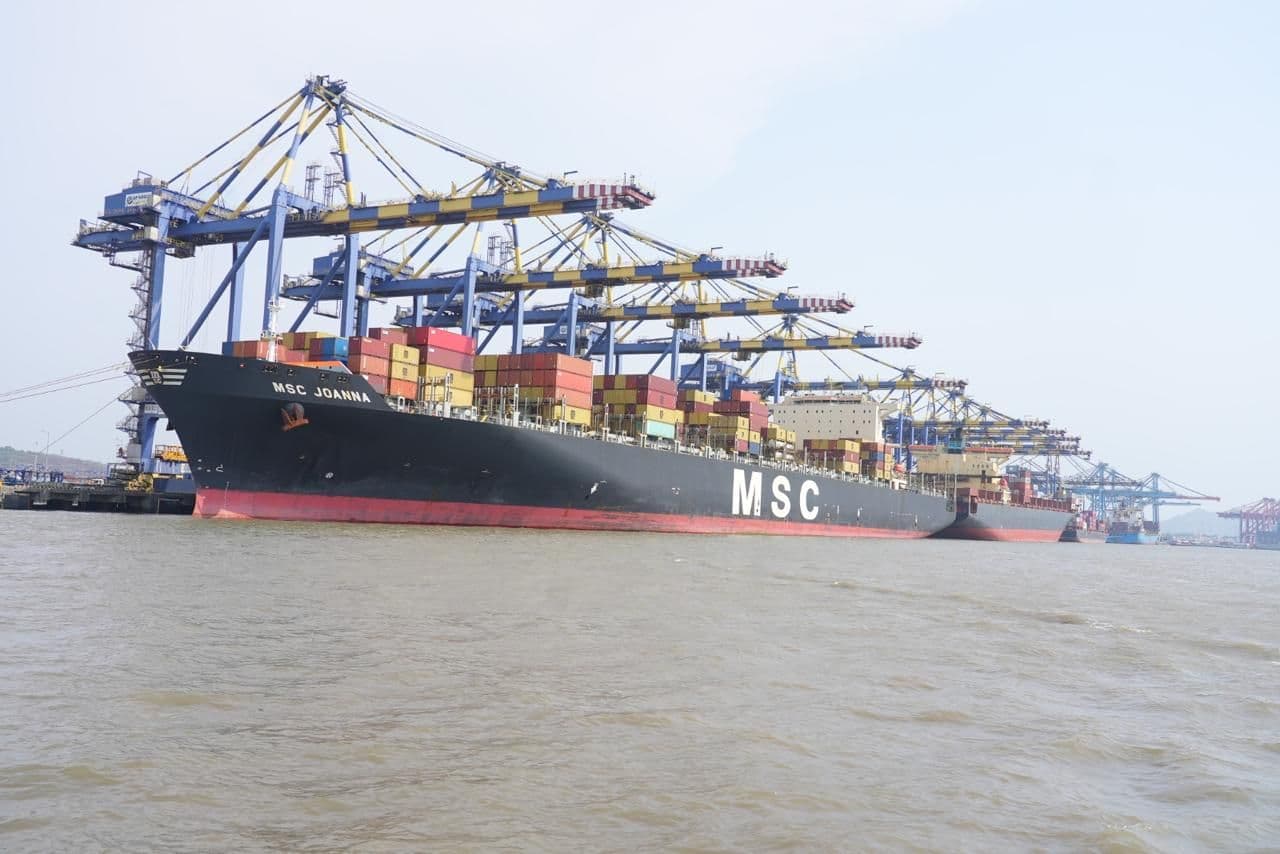
India-USEC Ocean Freight Rates Surge to a 20-Month High
Shippers and freight buyers moving cargo between India and the United States East Coast (USEC) are facing a dramatically changed cost environment. Ocean freight rates on this critical trade lane have climbed to their highest level in 20 months, driven by a sharp tightening of available vessel space. Two compounding factors are responsible: the withdrawal of MSC's dedicated Indus Express service and a wave of blank sailings across competing carrier networks. Together, these developments have created a capacity squeeze that is pushing spot rates higher and forcing importers and exporters to rethink their logistics strategies.
What Is Driving the Capacity Crunch on the India-USEC Trade Lane?
Understanding why rates have spiked so dramatically requires looking at both the supply side of ocean capacity and the demand environment that underlies it. Two structural forces have converged at the same time, leaving shippers with fewer vessel options and significantly less negotiating power than they had in recent months.
MSC Withdraws the Indus Express Service
Mediterranean Shipping Company, the world's largest container carrier by fleet size, has withdrawn its Indus Express service from the India-USEC trade lane. The Indus Express was a dedicated liner service connecting major Indian ports to key US East Coast gateway ports, providing a regular and reliable capacity option for shippers. Its removal from the market has eliminated a meaningful tranche of weekly slot capacity, leaving cargo owners with fewer choices for direct or near-direct routings.
When a major carrier pulls a dedicated service on any trade lane, the ripple effects are immediate. Remaining carriers see increased booking inquiries, load factors rise, and the supply-demand balance tips in favor of the carriers — enabling them to push rates upward. The withdrawal of the Indus Express is precisely the kind of supply-side shock that freight markets respond to quickly and sharply.
Six Blank Sailings Further Restrict Available Space
Compounding the impact of the MSC service withdrawal, competing carrier networks have reported a total of six blank sailings on the India-USEC corridor. Blank sailings occur when a shipping line cancels a scheduled departure, often citing low profitability on a given voyage, port congestion, vessel repositioning needs, or network rationalization. Whatever the operational reason, the result for shippers is the same: cargo that was expected to move on a specific vessel either waits for the next available sailing or must be rebooked at higher prevailing rates.
Six blank sailings in a relatively short window represents a significant reduction in effective capacity. When combined with the permanent exit of the Indus Express, the India-USEC trade lane is experiencing a capacity environment that has not been this constrained in nearly two years. Shippers who rely on just-in-time inventory models or have time-sensitive cargo are feeling this most acutely.
How High Have India-USEC Freight Rates Climbed?
The rate surge on the India-USEC trade lane is not a minor correction — it represents a 20-month high, meaning freight costs have not been this elevated since late 2023. For context, this period follows what had been a general softening of rates across many East-West trade lanes as post-pandemic demand normalization took hold. The sudden reversal on the India-USEC corridor serves as a reminder that ocean freight markets remain highly susceptible to sudden supply shocks, even when broader demand trends appear stable.
Spot rates are being affected most immediately, but contract shippers who assumed they were insulated from market volatility may also face surcharges or renegotiation pressure as carriers look to capitalize on the tighter operating environment. Premium fees for guaranteed space allocation are also likely to increase in the near term.
Implications for Shippers and Supply Chain Managers
The current rate environment on the India-USEC trade lane has several practical implications for businesses that depend on this routing, whether they are importing finished goods, raw materials, pharmaceuticals, textiles, or industrial components from India.
- Budget revisions may be necessary. Companies that locked in freight budgets based on earlier, lower rate assumptions will need to account for the increased cost of moving goods on this lane, at least in the short to medium term.
- Booking lead times should be extended. With capacity tighter and more sailings either cancelled or overbooked, shippers should plan to secure space further in advance than they typically would to avoid being left without vessel options close to the cargo ready date.
- Alternative routings deserve evaluation. Some shippers may find value in exploring transshipment via European or Middle Eastern hubs, or shifting a portion of their volume to US West Coast (USWC) routings with an overland segment, depending on cargo type and delivery deadlines.
- Freight forwarder relationships become more valuable. In tight markets, forwarders with strong carrier relationships and pre-committed space allocations can provide a meaningful advantage over going directly to the spot market.
- Monitor carrier network announcements closely. Service withdrawals and blank sailings are often announced with short lead times. Staying informed through freight intelligence platforms or forwarder updates is essential during volatile periods.
Will India-USEC Rates Stay Elevated?
The durability of this rate spike will depend largely on whether carriers introduce replacement capacity to fill the gap left by the Indus Express withdrawal. If rival carriers see sufficiently strong yield improvement on the lane, there is an incentive to deploy additional tonnage or launch new service strings. However, carrier discipline around capacity management has improved considerably over the past several years, and lines may choose to maintain tighter supply conditions to protect profitability rather than chase volume.
Demand dynamics will also play a role. If Indian export volumes to the US remain robust — driven by continued diversification of manufacturing supply chains away from China — then the demand base to sustain elevated rates is present. Conversely, any slowdown in US consumer spending or a shift in sourcing patterns could ease pressure on the lane.
Key Takeaways for the India-USEC Trade Lane
The India-USEC ocean freight market is navigating one of its most challenging capacity environments in nearly two years. The exit of MSC's Indus Express service has removed a key supply pillar from the trade lane, while six blank sailings across competing networks have amplified the tightening. Rates have responded accordingly, reaching a 20-month high that will impact shipping budgets and logistics planning across a wide range of industries.
For shippers, the message is clear: proactive capacity management, earlier booking windows, and close engagement with freight partners are no longer optional best practices — they are operational necessities in the current environment. Staying agile and informed will be the defining factor between those who absorb this disruption smoothly and those who face costly last-minute alternatives.