
Iván Cepeda Concedes Colombia's Presidential Election to Abelardo de la Espriella
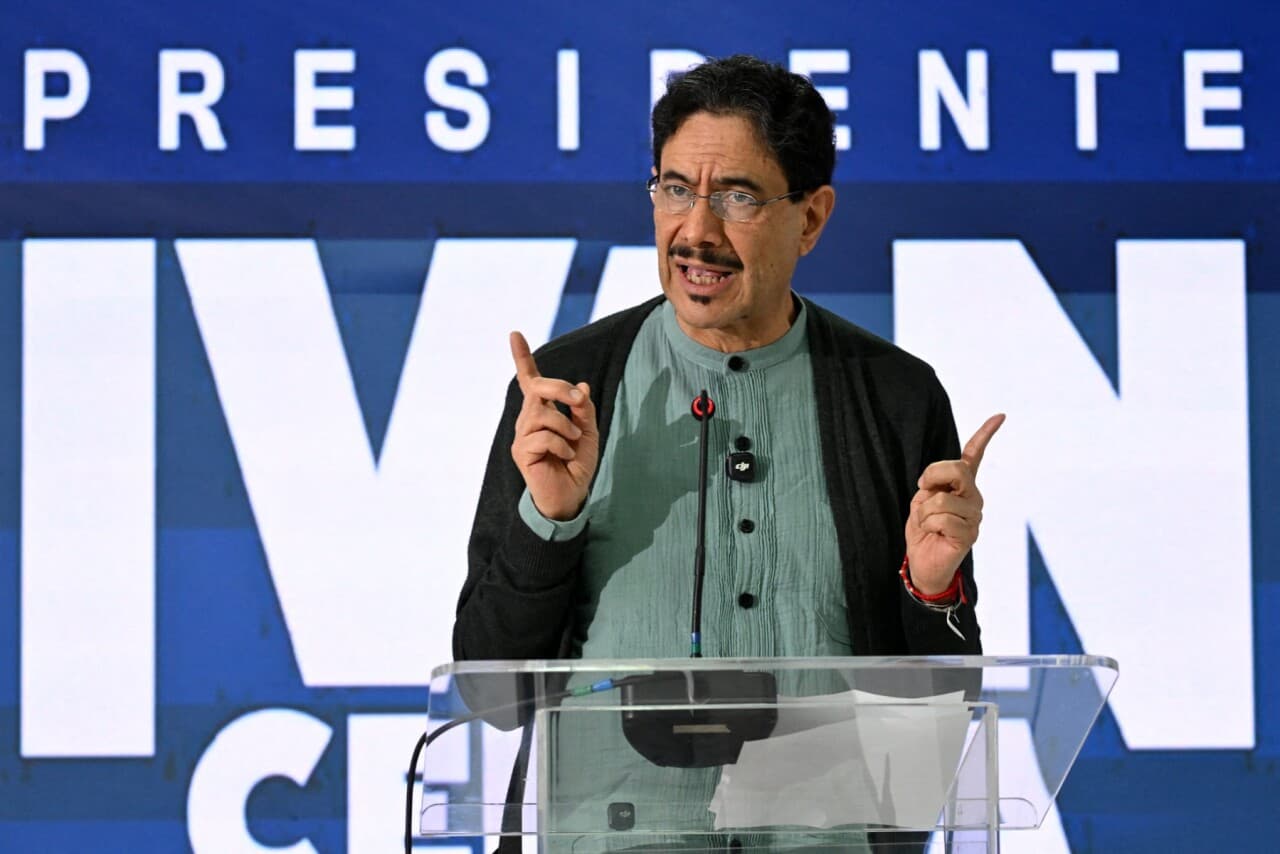
Three tense days after Colombia held the most closely contested presidential runoff in its modern history, leftist candidate and sitting senator Iván Cepeda formally conceded defeat on Wednesday, acknowledging far-right candidate Abelardo de la Espriella as the country's next president. The announcement, delivered at a press conference in Bogotá, brought an end to a period of political uncertainty that had gripped the South American nation and spilled into the streets in the form of protests and clashes with riot police.
A Historic and Razor-Thin Runoff
Sunday's second-round vote produced a result that few political analysts had predicted in such stark terms: a margin of less than one percentage point separating the two candidates. According to the preliminary count released by Colombia's electoral authority, the Registraduría Nacional del Estado Civil, De la Espriella edged past Cepeda by a sliver, making it one of the tightest presidential contests the country has ever seen.
Cepeda initially declined to immediately accept the results, stating that he would only do so once the formal final scrutiny — the official vote-by-vote audit conducted after every Colombian election — was complete. That scrutiny was nearing its conclusion by Wednesday, and the numbers continued to favor De la Espriella. Faced with that reality, Cepeda chose to speak publicly and put the matter to rest.
Cepeda's Concession Statement: A Call for Peace and Dialogue
"I have decided to accept the result that emerges from this process, which indicates that Abelardo de la Espriella is the new president of the Republic," Cepeda declared before journalists in Bogotá. His words carried a clear undertone of responsibility and statesmanship, framing the concession not merely as an acknowledgment of electoral defeat, but as an act in service of national stability.
"I do so to contribute to coexistence, peace, and dialogue among Colombians," he added. For a country that has long grappled with internal divisions — political, social, and historical — the phrasing was deliberate and significant. Cepeda appeared to be signaling to his supporters that the path forward was through peaceful engagement, not continued confrontation.
Protests and Street Clashes Follow the Vote
The days between election Sunday and Cepeda's Wednesday concession were far from calm. Supporters of the left-wing senator took to the streets in major Colombian cities, most notably Bogotá and Cali, where demonstrations turned into clashes between protesters and riot police. The tension reflected just how polarized the Colombian electorate had become ahead of the runoff, with the race having drawn deep lines between those who supported the progressive Petro-era agenda and those who backed De la Espriella's right-wing platform.
The protests added urgency to calls from political leaders on both sides for calm, and Cepeda's concession was widely seen as a necessary step toward de-escalating the situation on the ground.
Petro's Fraud Allegations and US Involvement Claims
Perhaps the most incendiary voice in the post-election period was that of sitting President Gustavo Petro, a close political ally of Cepeda. Petro did not go quietly into the transition. He publicly alleged that there had been vulnerabilities in the software used by the electoral authority, raising the specter of manipulation, and went further by suggesting that the vote result could be annulled due to what he described as the "direct intervention" of the United States.
His allegations were fueled in part by an expression of public support for De la Espriella from former US President Donald Trump, who had voiced his backing for the far-right candidate in the lead-up to and following the vote. For Petro and his supporters, Trump's endorsement was not merely a diplomatic signal — it was evidence of foreign interference in Colombia's democratic process.
The claims were serious, and in a region with a complicated history of external political influence, they were not easily dismissed by a broad swath of the public. Nevertheless, the electoral authority pushed back firmly against any suggestion that the results had been compromised.
Electoral Authority Confirms 99.9% Match Between Preliminary and Final Count
The Registraduría addressed the fraud allegations head-on on Tuesday, announcing that the ongoing final scrutiny had produced results that were 99.9% consistent with the preliminary count from election night. This near-perfect alignment between the two tallies was presented as strong evidence that the vote had been conducted with integrity and that no significant irregularities had occurred.
Adding further credibility to the official result, the European Union election observation mission deployed to monitor the Colombian vote also weighed in, with observers indicating no evidence of widespread fraud or systemic manipulation. International electoral monitors play a crucial role in legitimizing contested results, and the EU mission's assessment carried significant weight in the debate.
What De la Espriella's Victory Means for Colombia
The election of Abelardo de la Espriella marks a dramatic political shift for Colombia. Following the presidency of Gustavo Petro — the country's first left-wing head of state — De la Espriella's far-right government will represent a sharp ideological reversal. His victory also aligns Colombia more closely with the political current championed by Donald Trump in the Western Hemisphere, a development that will have implications for regional diplomacy, trade policy, and Colombia's historically sensitive relationship with the United States.
For Cepeda's supporters and for progressives across Latin America, the result is a sobering setback. But in choosing to concede clearly and publicly, Cepeda has preserved his own credibility and demonstrated a commitment to democratic norms that may define his political future.
Colombia Looks Ahead
With the concession now official and the final electoral scrutiny approaching its conclusion, Colombia begins the process of transitioning from the Petro administration to the incoming De la Espriella government. The coming weeks will be critical in determining whether the country can move beyond the divisions exposed by the campaign and the tensions ignited by the contested results.
What is clear is that Colombia's democracy has been tested — by a historically narrow margin, by street protests, by allegations of fraud and foreign interference — and that, at least for now, its institutions have held. Cepeda's willingness to accept the outcome, whatever his reservations, is a foundational act in that democratic continuity.