
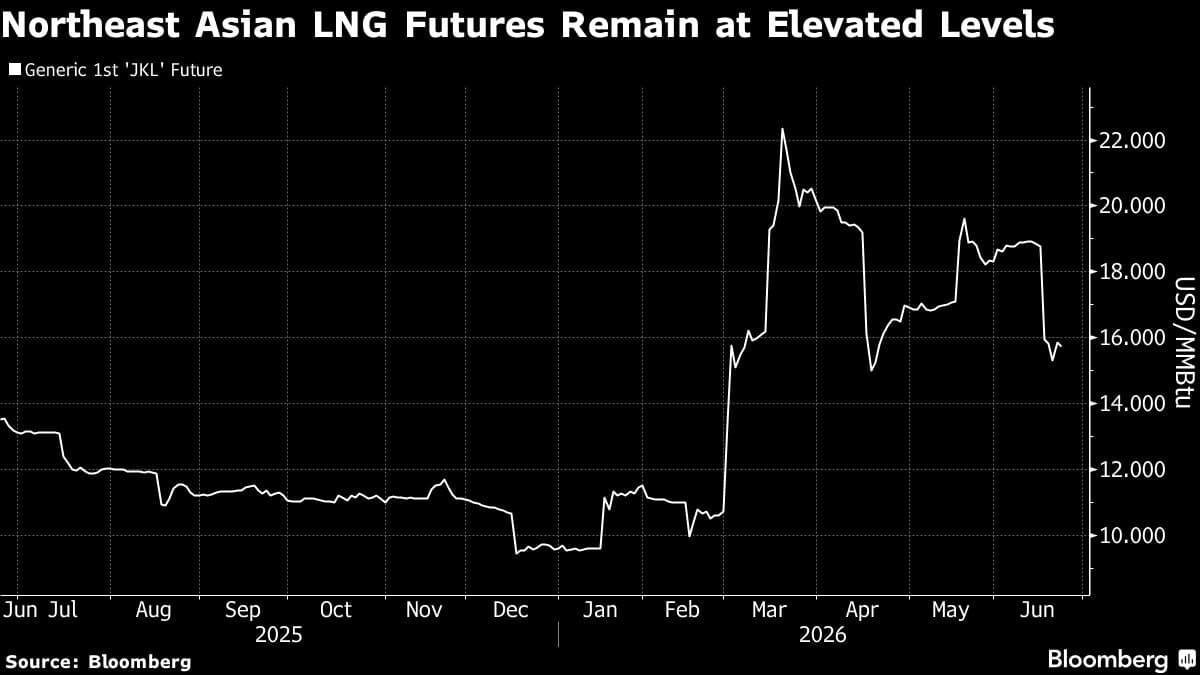
Japan's LNG Stocks Positioned to Gain Amid Middle East Energy Uncertainty
Geopolitical tensions in the Middle East have long cast a shadow over global energy markets, but for Japan's liquefied natural gas sector, the current climate of uncertainty may paradoxically represent a significant opportunity. Japanese LNG-related stocks are increasingly seen as well-positioned to benefit from two converging trends: the urgent need to rebuild war-damaged energy infrastructure across the Persian Gulf, and a broader international push to diversify away from Middle Eastern supply chains entirely. For investors watching the energy sector, the implications could be far-reaching and long-lasting.
Why the Middle East Matters for Global LNG Markets
The Persian Gulf region remains one of the world's most critical nodes in the global energy supply chain. Countries such as Qatar, the United Arab Emirates, and Iran collectively hold vast reserves of natural gas, and their export infrastructure underpins LNG shipments to energy-hungry economies across Asia and Europe. When conflict disrupts this infrastructure — whether through direct military action, sabotage, or the broader economic fallout of regional instability — the consequences ripple outward almost immediately.
Japan, as one of the world's largest importers of LNG, has always been acutely sensitive to these disruptions. The country imports the vast majority of its energy needs, and LNG accounts for a substantial share of its electricity generation mix. Any threat to Middle Eastern supply routes triggers both short-term price volatility and longer-term strategic recalculations among Japanese energy companies, policymakers, and infrastructure firms.
Rebuilding War-Damaged Energy Infrastructure: A Catalyst for Japanese Companies
One of the clearest near-term opportunities for Japan's LNG-related sector lies in the reconstruction of energy infrastructure damaged by conflict in the Persian Gulf. Wars and military engagements in the region have historically left behind significant damage to pipelines, liquefaction terminals, storage facilities, and export terminals. As hostilities ease and reconstruction begins, there is a substantial market for the engineering expertise, construction capabilities, and specialized equipment that Japanese companies have long developed.
Japan's industrial and engineering giants have deep experience in building and maintaining complex LNG infrastructure globally. Companies involved in everything from plant construction and pipeline engineering to specialized shipping vessels and regasification technology stand to compete for lucrative contracts as Gulf states invest heavily in restoring and modernizing their energy sectors. This reconstruction wave could translate directly into order backlogs, revenue growth, and improved earnings forecasts for a range of Japanese firms across the LNG value chain.
Diversification Away from the Middle East: A Structural Shift Creating New Demand
Beyond reconstruction, a deeper structural trend is unfolding that may prove even more significant over the medium to long term. Nations that have historically relied on the Middle East for the bulk of their energy imports are now accelerating efforts to diversify their supply sources. This includes not only Japan itself, but also South Korea, European countries, and several Southeast Asian economies that are actively seeking alternatives to Persian Gulf LNG.
This diversification drive is spurring new LNG infrastructure development across multiple regions, including North America, Australia, East Africa, and Southeast Asia. Japanese companies are well-placed to participate in this buildout, given their track record in developing LNG projects internationally and their established relationships with global energy majors. New liquefaction facilities, export terminals, floating storage and regasification units (FSRUs), and LNG carrier fleets will all be needed to support these alternative supply corridors — and Japanese industry has the capability to deliver across all of these categories.
Key Segments of Japan's LNG Sector Likely to See Upside
Several distinct segments within Japan's broader LNG ecosystem are likely to capture the most benefit from these converging dynamics:
- Engineering and Construction Firms: Companies with proven expertise in designing and building LNG terminals, liquefaction plants, and associated pipeline networks are obvious beneficiaries of both Middle East reconstruction contracts and new-build projects in alternative supply regions.
- Shipping and Fleet Operators: As LNG trade routes shift and extend to accommodate non-Middle Eastern supply sources, the demand for LNG carriers is expected to rise. Japanese shipbuilders and shipping companies stand to benefit from fleet expansion orders and higher charter rates driven by tighter vessel availability.
- Trading and Utility Companies: Japanese energy trading firms and utilities that have diversified their LNG procurement portfolios will be better insulated from supply shocks and may find improved margins as spot market dynamics favor flexible buyers.
- Technology and Equipment Suppliers: Specialized providers of LNG-related technology — from cryogenic storage solutions to regasification equipment — can expect elevated demand as new infrastructure is commissioned globally.
Risks to Watch: Geopolitical Volatility Cuts Both Ways
While the opportunity set appears compelling, investors should remain mindful that geopolitical risk is inherently unpredictable. An escalation in Middle East conflict could temporarily disrupt shipping lanes and delay project timelines, creating headwinds even for companies positioned to benefit in the longer run. Currency movements, commodity price cycles, and policy shifts in key LNG-importing countries add further layers of complexity to any investment thesis centered on this theme.
Additionally, the global energy transition remains a background consideration. While LNG is widely viewed as a bridge fuel rather than a permanent fixture in the energy mix, the timeline for any meaningful reduction in LNG demand continues to extend, particularly in Asia, where coal-to-gas switching and rising electricity demand are sustaining robust import needs well into the 2030s.
Conclusion: A Timely Opportunity Rooted in Long-Term Structural Change
Japan's LNG-related stocks find themselves at an interesting intersection of immediate event-driven catalysts and durable structural tailwinds. The need to rebuild Persian Gulf energy infrastructure and the accelerating global drive to diversify LNG supply chains both point toward sustained demand for the capabilities that Japanese companies have spent decades cultivating. For investors seeking exposure to the energy sector with a differentiated angle, Japan's LNG ecosystem deserves careful attention — not simply as a play on commodity prices, but as a beneficiary of the fundamental rewiring of the world's energy infrastructure map.