
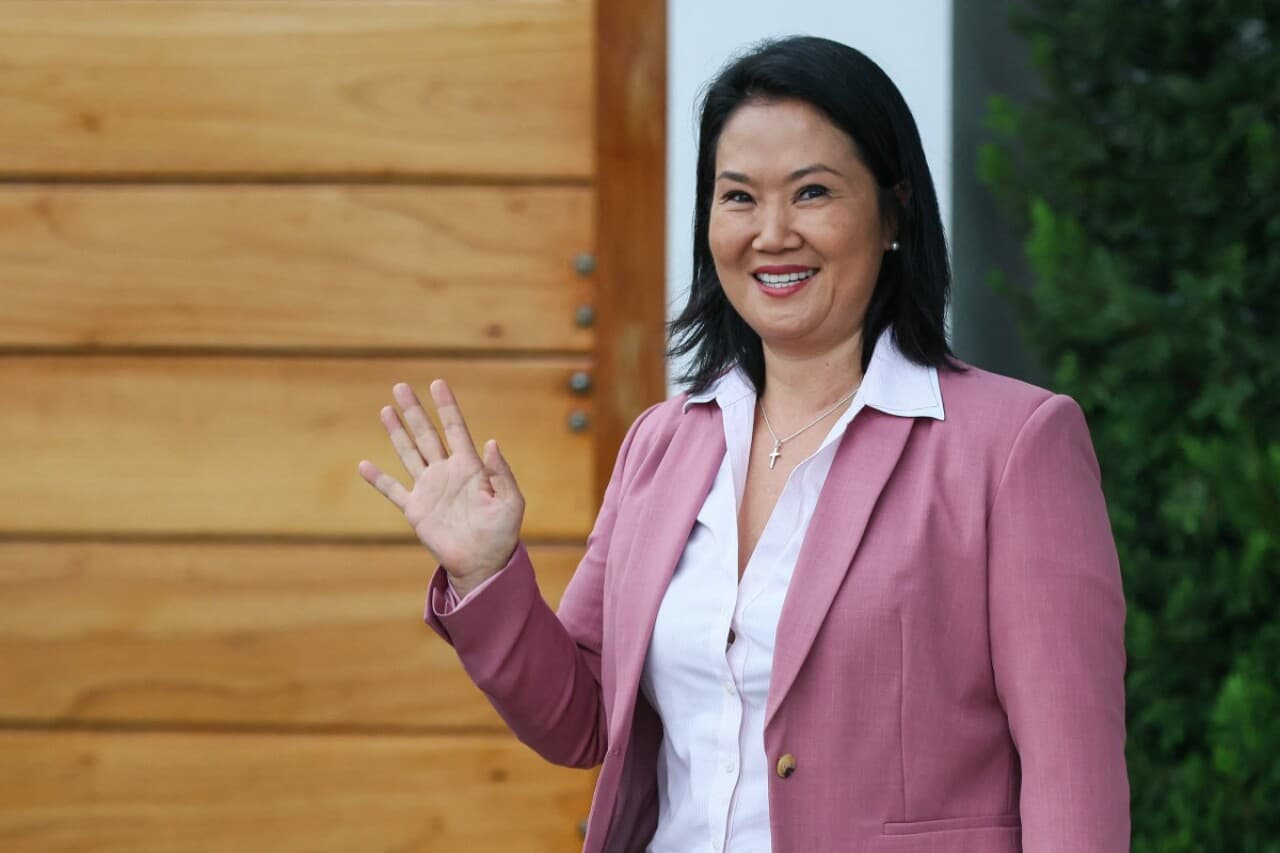
Keiko Fujimori Emerges as Winner of Peru's 2025 Presidential Election
In one of the most tightly contested presidential elections in recent Latin American history, right-wing candidate Keiko Fujimori has emerged as the apparent winner of Peru's presidential runoff election, held on June 7. With 99.86% of ballots counted, Fujimori held 50.118% of the vote compared to 49.882% for her left-wing rival, Roberto Sánchez, according to data published by Peru's National Office of Electoral Processes (ONPE). The razor-thin margin — just over 43,000 votes out of more than 19 million counted — marks a pivotal and deeply consequential moment in Peruvian political history.
A Lead That Cannot Be Overturned
As of the latest count, Fujimori leads Sánchez by more than 43,000 votes, with only approximately 39,300 votes remaining across 131 uncounted electoral records. Election analysts and legal experts have confirmed that the remaining votes are mathematically insufficient to reverse Fujimori's lead, effectively making her the president-elect of Peru pending official certification.
Official results are expected to be formally announced within the coming days, according to a spokesperson for Peru's National Elections Jury (JNE), who confirmed the timeline to the AFP news agency. Until those results are certified, the political and social climate in Peru remains tense, with protests brewing on both sides of the political divide.
The Return of Fujimorismo to Power
Should the results hold — and all indications suggest they will — Keiko Fujimori's victory would represent a dramatic and historic return of Fujimorismo to political power in Peru, more than two decades after the fall of her father, former authoritarian president Alberto Fujimori, who ruled the country from 1990 to 2000. Alberto Fujimori's presidency was marked by economic stabilization and the defeat of the Shining Path guerrilla movement, but also by widespread human rights abuses, corruption, and the dismantling of democratic institutions — a legacy that continues to deeply divide Peruvian society.
Keiko Fujimori, now 51 years old, has run for the presidency three times. This would be her first electoral victory at the national level after previous losses in the 2011 and 2016 elections and a near-miss in the 2021 runoff against Pedro Castillo. Her persistence and ability to consolidate the Peruvian right has long made her a dominant — if polarizing — figure in the country's political landscape.
Roberto Sánchez Refuses to Concede
Despite the overwhelming evidence of Fujimori's lead, leftist candidate Roberto Sánchez has refused to concede defeat and has challenged the legitimacy of the electoral process. Speaking at a press conference on Tuesday morning, Sánchez declared that he would not recognize a potential Fujimori government and accused electoral authorities of allowing "a serious disruption of the electoral process," specifically targeting the handling of votes cast abroad by Peruvian citizens living overseas.
Sánchez went further on Monday, calling for the annulment of all votes cast outside Peru, alleging procedural irregularities. He announced plans to take the matter before international bodies and called for a new mass mobilization to be held on Saturday in Lima. His campaign has framed the overseas voting controversy as grounds for contesting the final outcome, though election officials and independent observers have yet to validate these claims as substantive enough to alter the results.
What Keiko Fujimori's Victory Could Mean for Peru
A Fujimori presidency would signal a sharp rightward shift in Peruvian governance at a time when the country faces significant economic and political challenges. Key areas that observers are watching include:
- Economic policy: Fujimori has campaigned on a platform of free-market economics, investment-friendly reforms, and reining in government spending. Her government is expected to prioritize foreign investment, particularly in Peru's vital mining sector.
- Security and rule of law: Fujimori has taken a tough stance on crime and corruption, though critics point to the irony of that position given her own legal battles — she has faced multiple corruption charges related to alleged illegal campaign financing linked to the Odebrecht scandal, though she has denied all wrongdoing.
- Social policy: On social issues, Fujimori holds conservative positions, including opposition to same-sex marriage and strong stances on traditional family values, which resonate with a significant portion of her electoral base, particularly in urban coastal regions.
- Relations with the political left: Her victory is likely to intensify political tensions with Peru's left-wing movements, labor unions, and indigenous communities, many of whom deeply distrust the Fujimori name and what it represents.
A Divided Nation Awaits Official Confirmation
Peru has long been a country of stark political and social contrasts — between its urban coastal elites and rural highland communities, between free-market advocates and those demanding greater state intervention, and between those who see Alberto Fujimori's legacy as one of stability and those who see it as a dark chapter of authoritarianism. His daughter's apparent victory reopens all of those wounds simultaneously.
Protests are already being organized by Sánchez supporters ahead of the Saturday rally in Lima, and international observers are watching closely to see how the JNE handles any formal legal challenges that may be submitted before certification. The United States, the European Union, and regional bodies such as the OAS have all expressed interest in the outcome and the integrity of the process.
Looking Ahead: The Road to Official Inauguration
Once official results are formally announced by the JNE, Peru will begin its transition period leading to the presidential inauguration. If Keiko Fujimori is confirmed as president-elect, she will inherit a country facing economic uncertainty, widespread social inequality, and a deeply fragmented political system with no single party holding a legislative majority.
Her ability to govern effectively — and to distinguish her administration from the authoritarian shadow of her father — will be the defining challenge of her presidency and of Peruvian democracy in the years ahead. For now, Peru holds its breath as history waits to be made official.