
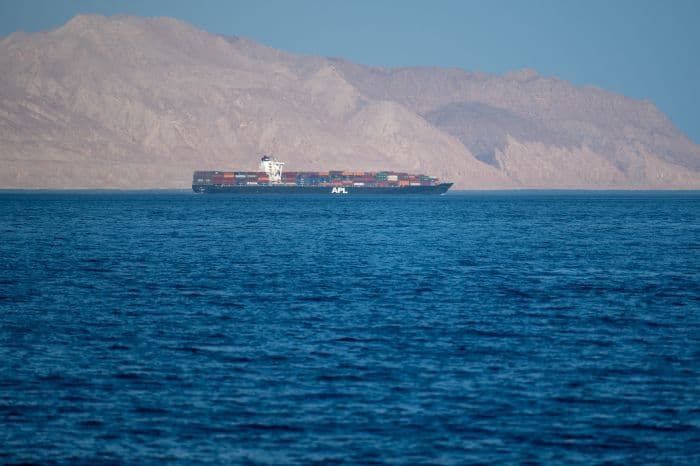
Persian Gulf Bottleneck Tightens Global Container Supply
A growing logistical crisis is unfolding at one of the world's most strategically vital maritime passages. Empty shipping containers are becoming stranded on the wrong side of the Strait of Hormuz, creating a cascading equipment shortage that is reverberating across global trade lanes. Ocean carriers, caught between surging demand and a mismatch in container positioning, are now turning to equipment lessors at an accelerating rate — and the pressure on global container supply shows little sign of easing in the near term.
The Strait of Hormuz: A Critical Chokepoint Under Pressure
The Strait of Hormuz has long been recognized as one of the world's most important maritime chokepoints. Connecting the Persian Gulf to the Gulf of Oman and the broader Arabian Sea, it serves as the only sea passage through which vessels can transit to and from the major port hubs of the UAE, Saudi Arabia, Kuwait, Iraq, Qatar, and Bahrain. Any disruption — whether driven by geopolitical tension, operational inefficiency, or equipment imbalance — has an outsized effect on the global shipping ecosystem.
The current situation involves a structural positioning problem. A significant volume of empty containers has accumulated within the Persian Gulf, unable to be repositioned to export markets where they are urgently needed. This imbalance has created a bottleneck that is tightening availability across multiple trade corridors, from Asia-Pacific to Europe and the Americas.
How the Container Imbalance Is Affecting Export Markets
Container imbalances are not a new phenomenon in global shipping — but the Persian Gulf scenario has added a particularly complex layer to an already strained supply chain environment. When empty boxes are locked into a region due to transit constraints or geopolitical caution, exporters in other parts of the world face a shortage of available equipment. This directly delays shipments, inflates freight rates, and disrupts carefully planned supply chain timelines.
Export markets in South Asia, Southeast Asia, and East Africa are among those feeling the pinch most acutely. Manufacturers and traders in these regions rely on a steady flow of repositioned empties to fulfill outbound orders. When that flow is interrupted, production schedules slip, contracts are jeopardized, and buyers elsewhere face delayed deliveries. The ripple effect extends well beyond the Persian Gulf itself.
- Agricultural exporters face spoilage risks when refrigerated container availability drops due to equipment imbalances in adjacent regions.
- Textile and garment manufacturers in South Asia report delays in securing standard dry containers needed for their peak shipping seasons.
- Electronics exporters in Southeast Asia are contending with higher spot freight costs as carriers seek to maximize utilization of whatever equipment remains available.
Ocean Carriers Turn to Lessors for Relief
Faced with a shortage of owned equipment in the right locations, ocean carriers are increasingly approaching container lessors — companies that own large fleets of shipping containers and rent them out on short- or long-term bases. This shift signals that the problem is not merely a short-term operational hiccup. When carriers are forced to lease rather than reposition, it typically reflects a deeper structural gap that cannot be resolved quickly through standard fleet management practices.
Major container leasing firms, including those operating out of Asia and Europe, have reportedly seen a noticeable uptick in inquiries and new lease agreements as carriers scramble to maintain service commitments. The demand for 20-foot and 40-foot standard containers, as well as high-cube variants popular in e-commerce and consumer goods shipping, has been particularly strong.
From a financial perspective, the increased reliance on leased equipment adds to carriers' operating costs, a burden that is often passed downstream to shippers in the form of surcharges or elevated base rates. This dynamic further inflates the overall cost of doing business across affected trade lanes.
Geopolitical Undercurrents Amplifying the Crisis
The Persian Gulf bottleneck does not exist in a vacuum. The broader regional geopolitical environment has contributed to heightened caution among vessel operators and port planners alike. Uncertainty surrounding transit safety and routing decisions has led some carriers to alter deployment strategies, which in turn affects how and when empty containers are repositioned. When operational caution intersects with existing equipment imbalances, the resulting supply constraint becomes significantly harder to untangle.
Port congestion at key Gulf terminals has also played a role. When vessel turnaround times increase due to labor constraints, berth availability issues, or heightened security protocols, the dwell time for empty containers rises as well. Containers sitting idle on terminal yards are containers not moving to where they are needed — a simple equation with complex consequences for global trade flow.
What This Means for Global Shipping in the Months Ahead
Supply chain analysts and logistics professionals are watching the Persian Gulf situation closely. If the container repositioning bottleneck persists, the following consequences are likely to intensify across global shipping markets.
- Freight rates on lanes originating from container-starved regions could see sustained upward pressure, particularly in the spot market.
- Shippers may need to book further in advance and consider alternative routing options to secure equipment ahead of peak demand periods.
- Container leasing rates are likely to remain elevated as demand from ocean carriers continues to outpace the pace of new manufacturing and fleet rebalancing.
- Smaller freight forwarders and exporters with limited carrier relationships may struggle disproportionately to secure equipment on short notice.
For businesses that depend on reliable container availability — from large multinational importers to small-scale exporters — the message is clear: supply chain resilience planning must now account for regional chokepoint risks as a primary variable, not a secondary consideration.
Navigating Uncertainty in a Tighter Container Market
The Persian Gulf container bottleneck is a vivid reminder that global supply chains remain deeply vulnerable to geographic and geopolitical friction points. As empty containers continue to pile up beyond the Strait of Hormuz and carriers race to source leased alternatives, the broader market will need to absorb the pressure through higher costs, adjusted routing, and greater reliance on flexible equipment sourcing strategies.
For shippers, the most effective response is proactive engagement with logistics partners, early booking practices, and scenario planning that anticipates further disruptions. The global container market has demonstrated extraordinary resilience in recent years — but that resilience is tested anew each time a critical corridor tightens. The Persian Gulf is the latest, and for now, one of the most consequential, tests of that endurance.