
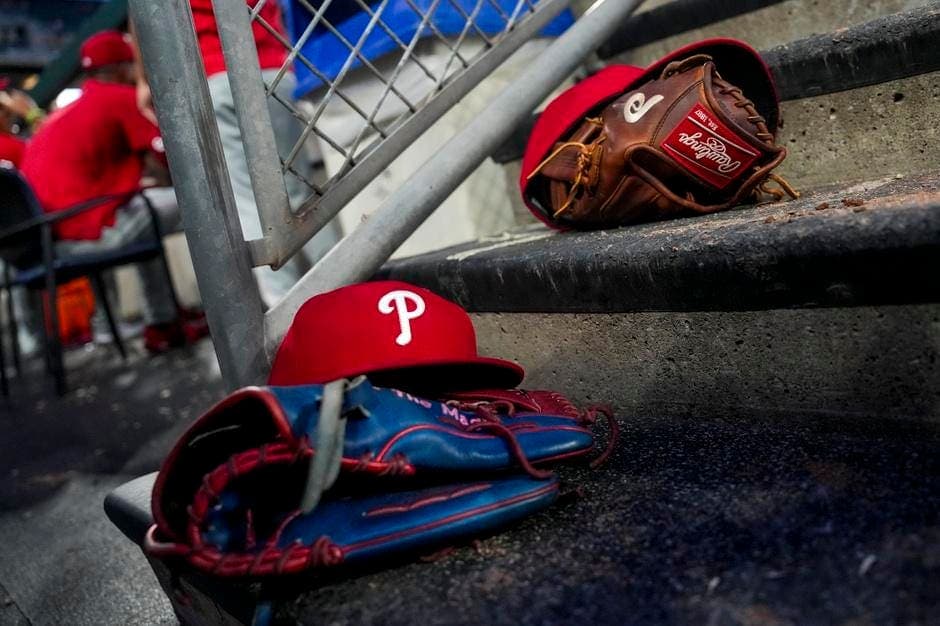
Former Phillies Contributor Returns to MLB — But Not in Red Pinstripes
The Philadelphia Phillies organization received a notable piece of news this week as a former contributor, one who spent two years making an impact in the City of Brotherly Love, officially signed with a rival club following a brief stint away from Major League Baseball. For a Phillies fanbase that has grown increasingly passionate as the team competes deep into October every season, moves like this carry both emotional and strategic weight. The player's return to the majors — just not with Philadelphia — raises important questions about roster construction, organizational loyalty, and the ever-shifting competitive landscape of the National League East.
In today's MLB, roster decisions are rarely simple. Players cycle through organizations, take stints abroad, explore independent league options, and then re-emerge in the big leagues under entirely new circumstances. This particular situation fits that modern archetype almost perfectly, and it serves as a reminder of how quickly the professional baseball world can turn.
A Two-Year Run in Philadelphia
The player in question contributed meaningfully to the Phillies over the course of two seasons. During that time, Philadelphia was in the midst of building what has become one of the most exciting rosters in the National League. Every contributor within that clubhouse — whether a frontline star or a depth piece — played some role in the culture and competitive standard that manager Rob Thomson has carefully cultivated.
Two-year veterans in Philadelphia often develop a particular bond with the fanbase. Citizens Bank Park is one of the most energetic environments in professional sports, and players who perform well — even in limited roles — tend to be remembered fondly. That connection makes news of a departure, particularly to a rival, sting just a little more than a standard transaction might.
While the player may not have been a household name across the league, his familiarity with the Phillies' systems, their coaching staff's tendencies, and their lineup construction now becomes an asset for an opposing organization. In a tightly contested divisional race, that insider knowledge should not be underestimated.
The Brief MLB Departure: Context Matters
Perhaps the most intriguing element of this transaction is the fact that it follows a period away from Major League Baseball entirely. Players leave the majors for a variety of reasons — injury, a lack of roster opportunities, personal decisions, or the appeal of opportunities overseas in leagues like Nippon Professional Baseball (NPB) in Japan or the Korea Baseball Organization (KBO).
Whatever the reason for this particular player's absence, the ability to return to a major league roster is no small feat. The level of competition in professional baseball means that roster spots are extraordinarily difficult to reclaim once lost. The fact that a rival organization not only took notice of his availability but was willing to extend a contract offer speaks directly to the player's perceived value and the confidence the new club has in what he can still provide.
What MLB Departures and Returns Tell Us About Modern Roster Building
The trend of players leaving MLB and successfully returning has become more common in recent years. Teams are increasingly willing to take calculated flyers on veterans who have demonstrated big-league competency, especially when those players come at a cost-controlled price point. For a rival looking to add depth, experience, and familiarity with a specific division opponent's tendencies, signing a former Phillies contributor is a savvy — if quietly impactful — move.
What This Means for the Philadelphia Phillies
From the Phillies' perspective, this transaction is primarily informational rather than alarming. Philadelphia has constructed a deep and talented roster built around stars like Bryce Harper, Zack Wheeler, and Trea Turner. The loss of a depth player to a rival, while noteworthy, does not fundamentally alter the team's trajectory or their expectations heading into the season.
That said, front office awareness matters. The Phillies' decision-makers — led by President of Baseball Operations Dave Dombrowski — will need to monitor how the player performs with his new club. If he rediscovers the form that made him a contributor in Philadelphia, it could serve as a data point in future roster and scouting evaluations.
- The player's knowledge of Phillies pitching tendencies could be leveraged against Philadelphia in divisional matchups.
- His signing underscores the importance of maintaining depth options at the MLB level rather than allowing contributors to walk without replacement plans in place.
- Rival organizations are clearly monitoring the Phillies' transactions closely, identifying talent that Philadelphia has moved on from and evaluating whether that talent can be redirected against them.
The Broader NL East Implications
The National League East remains one of the most competitive divisions in baseball. The New York Mets, Atlanta Braves, and Washington Nationals are all making moves with an eye toward challenging Philadelphia's recent dominance. Every roster addition — regardless of how quietly it is made — contributes to the overall competitive equation.
When a player with two years of direct Phillies experience joins a division rival, the chess match between front offices becomes just a little more layered. Opposing managers and coaches will undoubtedly mine that player for whatever institutional knowledge he carries about Philadelphia's approaches, signals, and tendencies.
A Transaction Worth Watching
Not every signing makes headlines for weeks. Some of the most consequential moves in a given season are the quiet additions made in the margins of the roster, the veteran signings that add intangible value, experience, and competitive intelligence that never shows up in a box score. This particular transaction has all the hallmarks of that kind of move.
Final Thoughts
The Phillies have built something genuinely special in Philadelphia over the past several seasons. Their deep postseason runs, passionate fanbase, and growing roster of elite contributors have made them a perennial contender. Transactions like this one — a former contributor returning to MLB with a rival — are a natural part of the competitive cycle that defines professional sports.
For Phillies fans, the message is clear: the organization's talent pipeline and player evaluation processes are being watched closely by every team in the division. How Philadelphia responds, both on the field and in future roster construction, will say as much about the organization's depth as any single signing could. As the season unfolds, keep an eye on how this particular reunion between a player and his former division shapes up when the two clubs inevitably meet on the diamond.