
Rail Congestion at Mundra Port Is Disrupting India's Inland Supply Chains
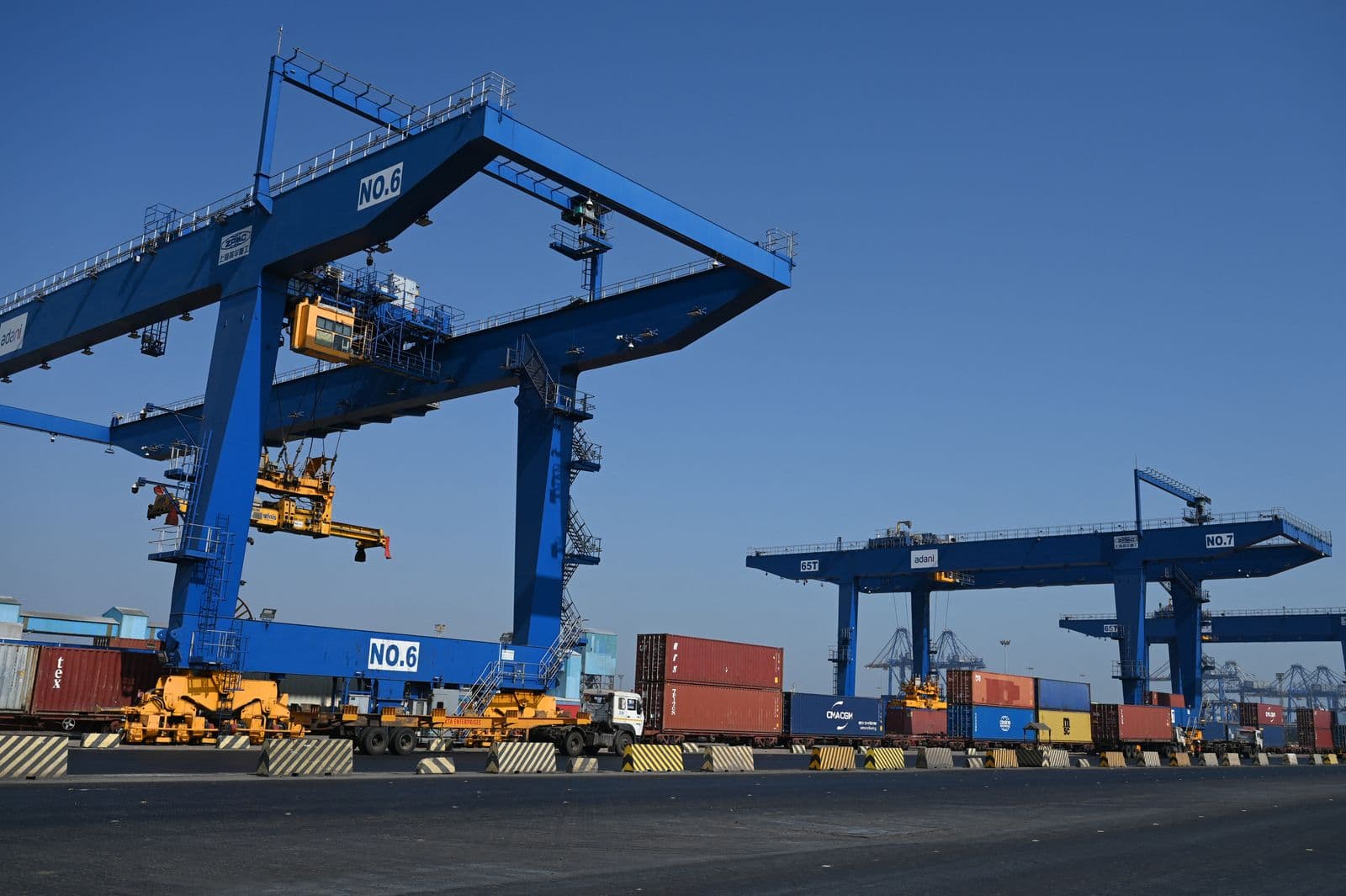
India's busiest container port, Mundra Port in Gujarat, is facing a significant logistics crunch as rail congestion compounds growing inland delivery delays. Ocean carriers have begun issuing formal warnings to shippers, alerting them to expect additional costs and extended transit times for cargo moving through the port. At the heart of the problem is an unexpected surge in transshipment volumes — cargo that has been rerouted away from Middle Eastern shipping lanes due to the ongoing conflict in the region.
For importers, exporters, and freight forwarders relying on Mundra as their primary gateway into and out of India, this situation demands immediate attention. Understanding the root causes, the operational consequences, and the available mitigation strategies can make a critical difference in managing supply chain performance over the coming months.
Why Mundra Port Is Under Pressure Right Now
Mundra Port, operated by Adani Ports, handles more container traffic than any other port in India. Its deep-water terminals, modern infrastructure, and proximity to major industrial hubs in northwestern India have made it the preferred entry and exit point for a wide range of goods — from textiles and chemicals to automotive parts and consumer electronics.
However, the port's capacity and its surrounding rail network are now being tested by a wave of diverted transshipment cargo. Since the escalation of the Middle East conflict, many ocean carriers have rerouted vessels away from key transshipment hubs in the Persian Gulf and Red Sea region. Ports like Jebel Ali in Dubai, which traditionally serve as major transshipment nodes for Indian cargo, are experiencing their own disruptions, pushing overflow volumes toward alternative hubs — and Mundra has emerged as one of the primary beneficiaries of that rerouting.
While increased throughput might sound like a positive development for a port, the reality is that infrastructure has limits. When cargo volumes spike faster than terminal operations and inland connectivity can absorb them, congestion follows.
How Rail Congestion Is Making the Problem Worse
The inland leg of the supply chain — particularly rail transport — is where the pressure is being most acutely felt. India's rail network connecting Mundra to major inland container depots (ICDs) and distribution centers in cities like Ahmedabad, Delhi, Ludhiana, and Nagpur is operating at or near capacity. The sudden volume surge has led to:
- Extended dwell times at the port terminal, as loaded containers wait longer for rail slots to become available.
- Delays in empty container returns, which in turn affects equipment availability for export bookings.
- Increased demurrage and detention charges, as containers sit idle either at the port or at inland container depots beyond their free time allowances.
- Booking rollover incidents, where confirmed cargo is bumped to later rail services due to capacity shortfalls.
Ocean carriers including major global lines have communicated these risks directly to their customers through carrier advisories and surcharge notifications. Some carriers have already implemented congestion surcharges for cargo transiting through Mundra, adding to the landed cost of goods at a time when many businesses are already managing elevated freight rates.
The Broader Context: Middle East War and Global Shipping Rerouting
The Mundra situation cannot be fully understood without acknowledging its global context. Since late 2023 and continuing into 2024 and 2025, Houthi attacks on commercial vessels in the Red Sea have forced a dramatic reshaping of global shipping routes. Dozens of major carriers have redirected their vessels around the Cape of Good Hope, bypassing the Suez Canal entirely. This has added significant transit time and fuel costs to Asia-Europe trade lanes, while simultaneously disrupting the transshipment ecosystems that connected ports like Jebel Ali, Colombo, and Singapore to smaller regional ports.
India sits at the intersection of several affected trade lanes. Its ports, particularly on the western coastline, are seeing ripple effects from the instability. Mundra, as the largest and most strategically positioned of these, is absorbing a disproportionate share of the volume shock.
What Shippers and Freight Forwarders Should Do Now
For businesses with supply chains running through Mundra Port, proactive management is essential. Waiting for conditions to normalize without adjusting planning assumptions could result in costly surprises. Here are key steps to consider:
- Increase lead times in procurement and sales planning. Build in additional buffer days for cargo moving through Mundra, particularly for time-sensitive shipments or those with tight delivery windows to retailers or manufacturing plants.
- Monitor carrier advisories closely. Ocean carriers are updating their surcharge schedules and service alerts frequently. Staying current on these communications helps avoid surprise charges and enables faster decision-making.
- Explore alternative routing options. Depending on the origin and destination of cargo, ports like Nhava Sheva (Jawaharlal Nehru Port) or Hazira may offer viable alternatives for certain trade lanes, though they face their own constraints.
- Negotiate free time extensions proactively. Engage with carriers and terminal operators early to request extended free time on demurrage and detention, citing documented congestion conditions.
- Optimize inland transport mode mix. Where road transport is operationally and economically feasible, it may serve as a pressure valve when rail capacity is saturated, particularly for shorter inland hauls.
Looking Ahead: When Will Congestion at Mundra Ease?
The timeline for relief at Mundra Port remains uncertain. Much depends on developments in the Middle East conflict and whether key transshipment hubs in the Gulf region can resume normal operations. If the security situation in the Red Sea stabilizes, carriers are likely to gradually restore their original routing patterns, which would reduce the pressure on ports like Mundra. However, most industry analysts caution against expecting a rapid normalization, as carrier contracts, vessel positioning, and port slot allocations take time to unwind and reset.
In the near term, Adani Ports and the relevant rail authorities are expected to work on deploying additional rail rakes and optimizing scheduling to improve inland connectivity. But structural improvements to rail capacity take time to implement, meaning shippers should plan for elevated disruption levels through at least the next two to three quarters.
Conclusion: Resilience Planning Is the Priority
The rail congestion and inland delays at Mundra Port are a sharp reminder of how geopolitical events in one part of the world can rapidly translate into operational disruptions thousands of miles away. For supply chain professionals managing Indian trade, the current environment demands a combination of vigilance, flexibility, and proactive communication with logistics partners. Staying informed, adjusting planning buffers, and exploring alternative routes where possible are the most effective tools available while the broader shipping landscape works through its current upheaval.