
Shipowners Cautiously Watch as a New Hormuz Deal Takes Shape
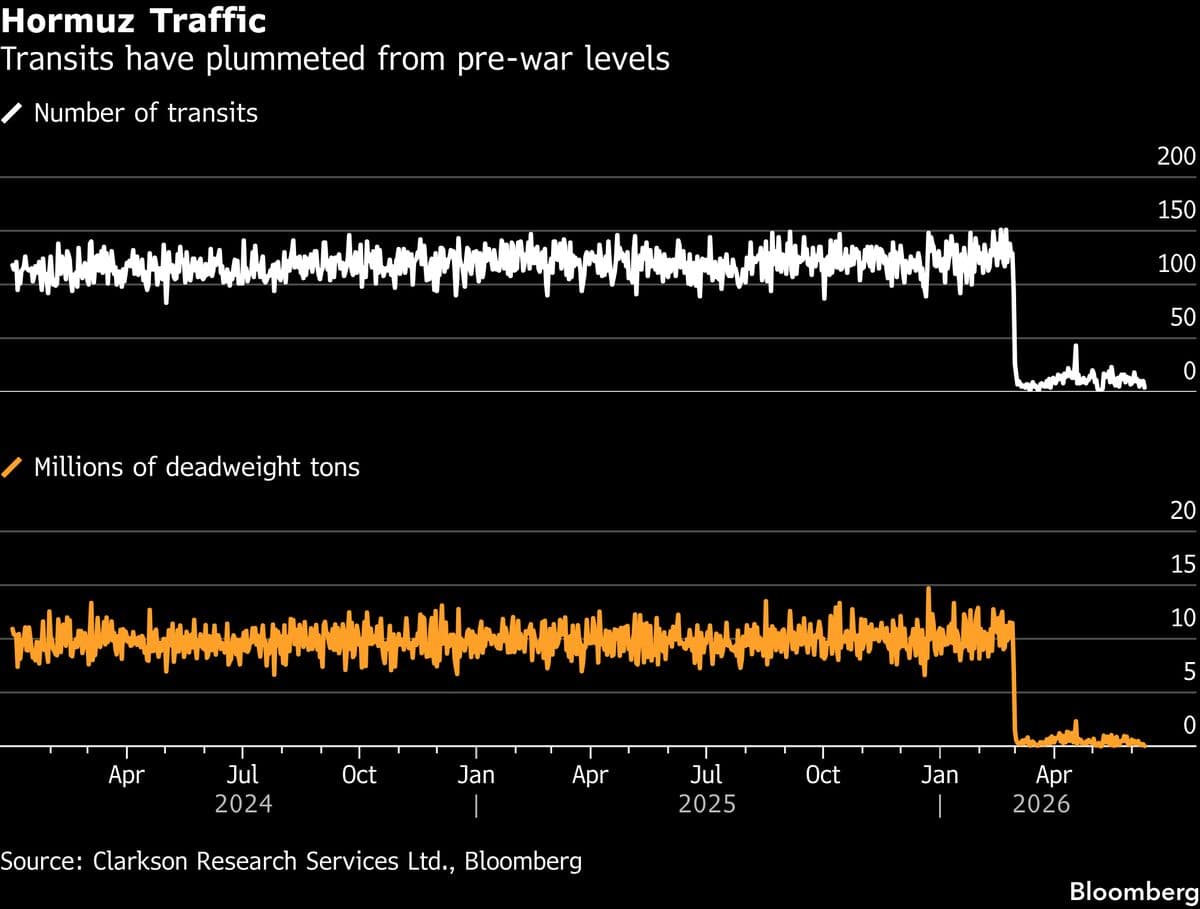
A potential agreement to reopen the Strait of Hormuz has emerged as a critical turning point for global maritime trade, but the response from shipowners and commodity traders has been measured at best. With approximately 600 vessels reportedly positioning themselves for an exit from the region, many operators are holding back, demanding concrete details before they commit their ships and crews to transits through one of the world's most strategically sensitive waterways. After months of false starts, broken ceasefires, and shifting geopolitical signals, the industry's caution is not only understandable — it is arguably essential.
Why the Strait of Hormuz Matters So Much to Global Trade
The Strait of Hormuz is arguably the single most important maritime chokepoint on the planet. Connecting the Persian Gulf to the Gulf of Oman and beyond, it serves as the primary export route for crude oil and liquefied natural gas from some of the world's largest energy producers, including Saudi Arabia, the United Arab Emirates, Kuwait, Iraq, and Iran. Estimates suggest that roughly 20 percent of global oil trade — approximately 17 to 21 million barrels per day — passes through this narrow passage at any given time.
Any disruption to free navigation through the strait sends immediate shockwaves through energy markets, insurance premiums, and freight rates worldwide. When tensions rise in the region, oil prices react swiftly, shipping companies reroute vessels thousands of miles out of their way, and global supply chains stretch to their limits. The current situation is no different, and the prospect of a diplomatic breakthrough — however fragile — has naturally captured the attention of maritime operators everywhere.
The Deal on the Table: What We Know So Far
Details surrounding the reported agreement remain sparse, which is precisely the problem for shipowners trying to plan their next move. The deal is said to have the potential to reopen the strait within days, offering relief to the roughly 600 vessels that have been waiting for a safe passage window. However, the specifics of who is guaranteeing safe transit, what enforcement mechanisms are in place, and how violations will be handled have not been made publicly clear.
This information vacuum is generating significant unease across the industry. Operators who have been navigating a period of extreme uncertainty — marked by vessel seizures, drone attacks, and escalating military posturing — are not prepared to risk lives and cargo on the basis of a deal whose terms they cannot fully evaluate. The phrase "false starts" resonates deeply in this context, as the shipping community has previously seen promising diplomatic signals dissolve without warning, leaving vessels and their crews in dangerous positions.
Shipowner Concerns: Safety, Insurance, and Liability
The hesitancy among shipowners stems from a combination of practical and financial concerns that go well beyond geopolitics. Several key issues are shaping the industry's wait-and-see posture.
- War risk insurance premiums have surged dramatically in recent months, and insurers are unlikely to reduce those rates until there is sustained, verifiable evidence of stabilized conditions. A single diplomatic announcement, however promising, is insufficient to move underwriters.
- Crew safety obligations under the Maritime Labour Convention and general duty-of-care principles mean that shipowners cannot simply route vessels into a conflict zone because a deal has been announced. They need assurances that are credible, detailed, and ideally backed by neutral third-party verification.
- Flag state guidance plays a critical role. Many owners will await updated advisories from flag state administrations and port state control authorities before altering their routing decisions.
- Cargo owner pressure adds another layer of complexity. Charterers and commodity traders are pushing for delivery, but no responsible operator will compromise safety standards simply to meet a deadline.
The 600 Vessels: A Fleet Waiting for a Green Light
The figure of 600 vessels waiting to transit is a powerful indicator of how significantly the strait's de facto closure — or near-closure — has disrupted maritime logistics. These are not all tankers carrying crude oil. The backlog includes container ships, bulk carriers, gas tankers, and product tankers, all of which serve critical roles in regional and global supply chains. The longer they wait, the greater the downstream effects: delayed deliveries, port congestion, elevated demurrage costs, and tightening commodity supplies in markets that depend on Gulf exports.
For these vessels, a credible and well-structured Hormuz deal would be transformative. But "credible" is the operative word. Shipping companies are not ideologically opposed to resuming transits — quite the opposite. They want nothing more than to return to normal operations. What they need is a framework that gives them confidence that transiting the strait will not expose their vessels, crews, or cargoes to unacceptable risk.
What Would Make a Hormuz Deal Credible for the Shipping Industry?
Industry observers and shipping associations have consistently emphasized that any durable resolution in the Hormuz region must include several key elements to be taken seriously by operators.
- A clearly defined and internationally recognized safe passage corridor with agreed coordinates and procedures.
- Monitoring and verification by neutral parties, potentially including international naval coalitions or United Nations-affiliated bodies.
- Explicit commitments from all relevant state and non-state actors regarding the treatment of commercial vessels.
- A defined escalation protocol should incidents occur, giving owners confidence that violations will be addressed promptly and transparently.
Looking Ahead: Patience May Be the Industry's Wisest Strategy
The shipping industry has learned hard lessons from rushing back into conflict zones prematurely. In this case, the combination of a large vessel backlog, enormous financial stakes, and a history of failed diplomatic progress makes patience not just prudent but professionally obligatory. Shipowners and traders are not dismissing the potential significance of this deal — they are insisting that it be done right.
As the details of the Hormuz agreement continue to emerge, the maritime world will be watching closely. The reopening of this vital strait would provide meaningful relief to global energy markets and supply chains. But the industry's cautious stance serves as a reminder that in shipping, as in diplomacy, the devil is always in the details.