
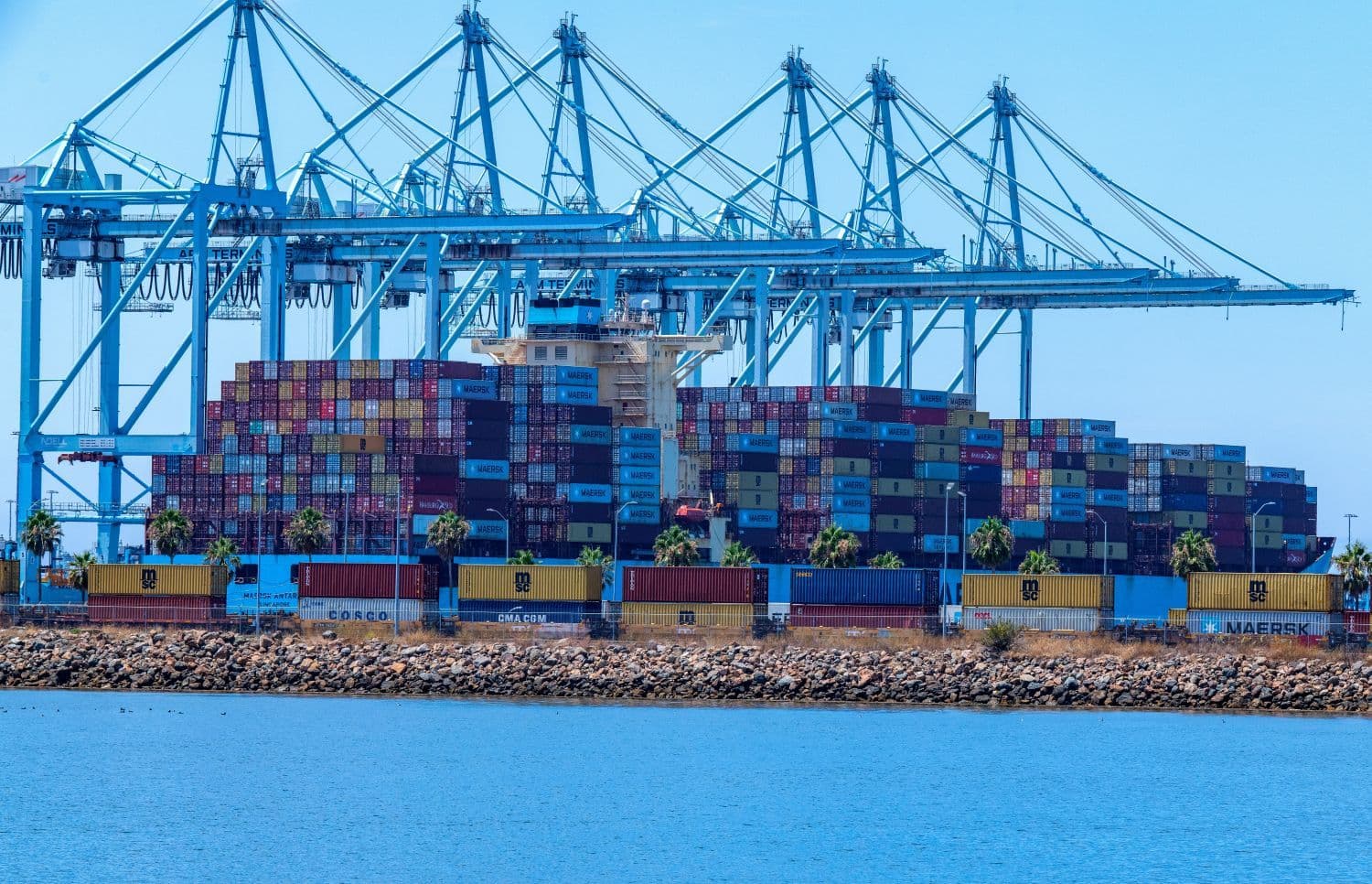
US LTL Providers Are Repositioning at Ports as Trans-Pacific Import Volume Grows
The American freight landscape is shifting in real time. As trans-Pacific import volumes continue to climb, both traditional less-than-truckload (LTL) carriers and non-traditional expedited LTL providers are aggressively positioning themselves to capture a larger share of containerized freight flowing through the nation's major ports. What was once a niche opportunity is quickly becoming one of the most competitive battlegrounds in domestic logistics — and shippers need to understand what this means for their supply chains.
Why Ports Have Become the New Frontier for LTL Carriers
For decades, LTL carriers operated primarily in the inland freight world, picking up pallets from warehouses and distribution centers and consolidating them for efficient long-haul movement. Ports, by contrast, were largely the domain of drayage operators, intermodal companies, and ocean freight forwarders. That separation is eroding fast.
The reason is straightforward: where freight moves, carriers follow. As import volumes through West Coast and Gulf Coast ports have accelerated — driven by renewed consumer demand, front-loading ahead of potential tariff changes, and diversified sourcing strategies — the density of available freight at port locations has made them far too attractive to ignore. LTL carriers, always hungry for density and volume, are recognizing that port-adjacent freight represents a significant and largely untapped revenue opportunity.
Traditional LTL giants have begun establishing or expanding port drayage capabilities, partnering with container freight stations (CFS), and building out consolidation services designed specifically for importers who need last-mile and regional delivery solutions once their containers clear customs. The logic is compelling: if a carrier can capture a shipment the moment it exits a container at a port facility, it controls the entire inland movement rather than picking it up later in the supply chain at a lower-margin touchpoint.
Expedited LTL Providers Enter the Port Game
Perhaps more surprising is the growing presence of expedited LTL providers at US ports. These carriers — built for speed rather than traditional dock-to-dock consolidation — are finding that importers increasingly need rapid inland movement after customs clearance, particularly for high-value goods, time-sensitive consumer products, and e-commerce inventory replenishment.
Expedited LTL services offer importers something standard LTL networks historically have not: the ability to move freight from port to final destination or distribution center on compressed timelines. As retailers and e-commerce brands tighten their inventory management and reduce safety stock, the tolerance for slow inland transit has shrunk considerably. A container sitting at a port for two or three additional days waiting for a standard LTL pickup window is now a meaningful competitive disadvantage for the importer.
Expedited carriers are stepping in to fill this gap, offering guaranteed transit times, team drivers, and flexible pickup windows that align with container availability rather than fixed LTL schedules. Their presence at ports signals a broader evolution in how the LTL market is segmenting itself to serve import-driven freight flows.
What This Means for Shippers and Importers
For shippers, this increased competition among LTL providers at ports carries both opportunities and complexities worth understanding.
- More options for inland movement: Importers who previously had limited carrier choices for moving freight from port to distribution center or end customer now have access to a wider range of service levels, transit times, and pricing structures. Greater competition generally supports better rates and service innovation over time.
- Integrated port-to-door solutions: Several LTL carriers are developing end-to-end import logistics packages that combine drayage, deconsolidation, and regional LTL delivery under one roof. For shippers frustrated by the fragmentation of port logistics, these bundled solutions can reduce the number of handoffs and simplify vendor management significantly.
- Speed as a differentiator: The entry of expedited LTL players means shippers can now choose speed tiers for their import freight in ways that were not previously practical. This is particularly valuable for seasonal merchandise, promotional inventory, and any goods where time-to-shelf directly impacts revenue.
- Pricing dynamics are evolving: As traditional and expedited LTL carriers compete for the same containerized freight, pricing models are becoming more nuanced. Shippers should expect to see spot-market-style pricing for port-adjacent LTL alongside contract structures, requiring more active rate management than many import logistics teams are accustomed to.
The Bigger Picture: Trans-Pacific Import Trends Are Reshaping Domestic Freight
The carrier activity at ports does not exist in isolation. It is a direct response to structural changes in how goods flow into the United States. Trans-Pacific trade lanes have seen sustained volume growth as importers adapt to new sourcing patterns, with some diversifying away from traditional manufacturing hubs and others front-loading inventory to hedge against policy uncertainty. Either way, the result is a consistent rise in containerized imports landing on American shores.
This volume does not simply disappear into the domestic network without friction. It has to move — and move quickly — from port to consumer. The carriers that build the infrastructure, relationships, and service models to handle that movement efficiently are positioning themselves for long-term growth in an import-driven freight economy.
Logistics analysts note that the carriers most likely to succeed in the port environment will be those who invest in technology for container tracking and appointment scheduling, build strong relationships with customs brokers and freight forwarders, and develop flexible capacity that can scale with the natural ebbs and flows of international trade volumes.
Preparing Your Supply Chain for the New LTL Port Reality
Shippers who import containerized freight should take this market evolution seriously as a strategic planning consideration. Evaluating LTL carrier capabilities at your primary ports of entry, asking carriers directly about their port services and transit time guarantees, and exploring whether bundled port logistics solutions might reduce complexity in your supply chain are all worthwhile exercises right now.
The window where importers could passively rely on traditional inland freight relationships to handle port-to-door movement efficiently is closing. The carriers actively hunting for containerized freight at America's ports are building specialized capabilities that will increasingly separate them from those who are not. As trans-Pacific imports continue to rise, the shippers who adapt their freight strategies to match the new reality will be the ones best positioned to protect margins, reduce transit times, and keep their supply chains moving without interruption.
The port is no longer just where your freight arrives. For LTL carriers and savvy shippers alike, it is increasingly where the competitive advantage is won or lost.