
The Michael Scott Problem Is Real — And It's Costing American Businesses Billions
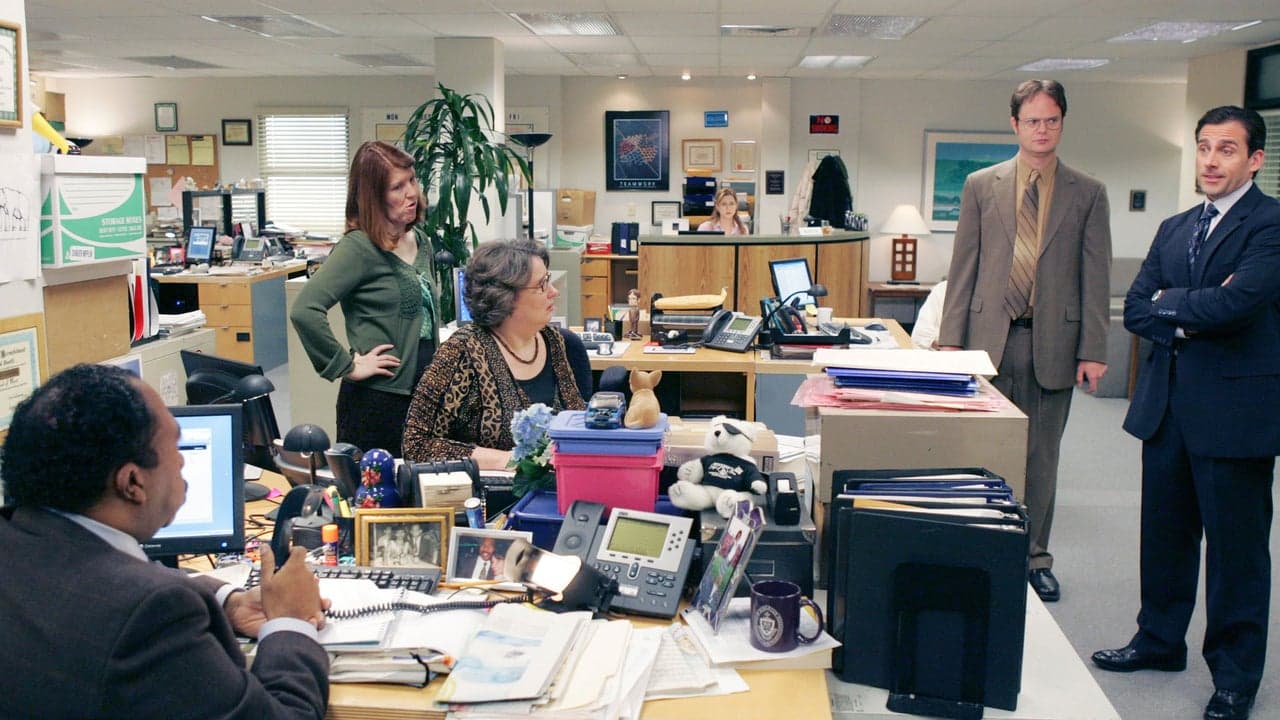
Remember Michael Scott from NBC's The Office? The bumbling regional manager played by Steve Carell who had an actual mug declaring him the "World's Best Boss"? While his employees endured pointless meetings, cringed through tone-deaf speeches, and quietly counted down the hours until they could leave, Michael remained completely convinced that morale was sky-high and that his team adored him.
It was funny because it felt so painfully true. Audiences across America recognized the gap between how a manager sees themselves and how their employees actually experience them. The joke landed because it reflected something universal about workplace dynamics.
But that same dynamic — once just a sitcom premise — has become one of the most urgent and costly problems in American business today. And the data to prove it is no longer ambiguous.
U.S. Employee Engagement Has Hit a Decade-Long Low
According to Gallup's annual employee engagement survey, only about 30% of part-time and full-time U.S. employees say they are engaged at work. That figure is not just low — it is the lowest it has been in more than a decade. Roughly seven out of every ten American workers are either disengaged or actively disengaged, meaning they have emotionally and mentally checked out from their jobs.
Engagement, at its core, comes down to a single question: Does the work matter to the person doing it? Engaged employees are genuinely invested in the outcome of their efforts. They care about results, show initiative, and bring energy to what they do. Disengaged employees, on the other hand, have stopped caring. They show up, they go through the motions, and they leave. The work gets done, but nothing more.
The consequences of this quiet exodus from caring are enormous. Gallup has estimated that low employee engagement costs the global economy approximately $8.9 trillion per year — roughly 9% of global GDP. For individual companies, disengaged workers contribute to higher turnover rates, lower productivity, more customer complaints, and weaker overall performance.
Why Bosses Are Often the Last to Know
Here is the uncomfortable truth at the center of the engagement crisis: most managers genuinely believe their teams are doing fine. Just like Michael Scott, they mistake surface-level compliance for actual commitment. Employees learn quickly how to appear engaged — nodding in meetings, hitting baseline targets, responding to emails — without actually investing emotionally in the work.
This perception gap is not simply a matter of managers being clueless. It reflects a structural problem in how most workplaces operate. Performance reviews happen quarterly or annually. Pulse surveys, when they exist at all, are often anonymous and rarely lead to visible change. Open-door policies sound good in theory but create little psychological safety in practice. Workers who feel unseen, undervalued, or micromanaged do not typically schedule a meeting to say so. They disengage quietly and, eventually, leave.
Cultural historian and author Bob Batchelor, who wrote The Authentic Leader: The Power of Deep Leadership in Work and Life, has argued that when more than two-thirds of the workforce is checked out, the problem is not with individual employees — it is with leadership. The engagement crisis is, at its root, a leadership crisis.
What Drives Disengagement in Today's Workforce
Understanding why workers disengage requires looking beyond individual personalities and examining broader systemic patterns. Several factors consistently appear across research and workplace studies.
- Lack of meaningful feedback: Workers who never hear how their contributions matter — or are only told when something goes wrong — quickly lose motivation. Recognition is not a luxury; it is a basic psychological need in the workplace.
- Poor communication from leadership: When executives and managers fail to communicate the "why" behind decisions, employees feel like cogs in a machine rather than contributors to a mission. Transparency builds trust; opacity erodes it.
- Limited growth opportunities: Employees who feel stuck — no promotions in sight, no new skills to develop, no path forward — will mentally leave long before they physically do.
- Feeling unseen as individuals: Workplaces that treat employees as interchangeable resources rather than human beings with unique strengths and circumstances generate resentment and withdrawal.
- Misaligned values: Increasingly, especially among younger workers, alignment between personal values and company values is non-negotiable. When that alignment is absent, engagement suffers.
The Role of Authentic Leadership in Reversing the Trend
The solution to disengagement is not a pizza party or a motivational poster. It is not a one-time town hall or a redesigned office space. Research and experience consistently point to one primary driver of genuine employee engagement: the quality of direct management.
Authentic leadership — grounded in self-awareness, honest communication, genuine empathy, and consistent follow-through — has a measurable impact on how engaged employees feel. When workers believe their manager truly knows them, hears them, and advocates for them, engagement rises. When they feel managed by someone performing leadership rather than practicing it, they disengage.
This means organizations serious about reversing the engagement trend need to invest in developing managers as people leaders, not just task supervisors. It means creating cultures where feedback flows in both directions. It means measuring management quality with the same rigor applied to financial metrics.
What Employees Are Asking For — And What Leaders Can Do Now
Workers who are disengaged are not, in most cases, lazy or indifferent by nature. Most people want to do meaningful work. They want to feel that what they do matters and that who they are at work is seen and respected. The disengagement epidemic reflects a failure to provide that basic experience at scale.
Leaders who want to reverse the trend can start with small, consistent actions: holding genuine one-on-one conversations that go beyond status updates, actively soliciting feedback and visibly acting on it, clearly articulating how individual roles connect to broader organizational goals, and creating space for employees to bring problems forward without fear of judgment.
The Michael Scott joke resonated for nearly a decade because it captured something true about the gap between managerial self-perception and employee reality. But unlike a television comedy, the real-world version of that gap has serious consequences — for workers, for businesses, and for the economy as a whole. Closing it starts with leaders willing to ask hard questions, listen honestly to the answers, and lead with authenticity rather than assumption.
The mug that says "World's Best Boss" is only worth something if the people around you agree.