
Asia-US Spot Rate Surge Continues as Retail Restocking Enters the Mix
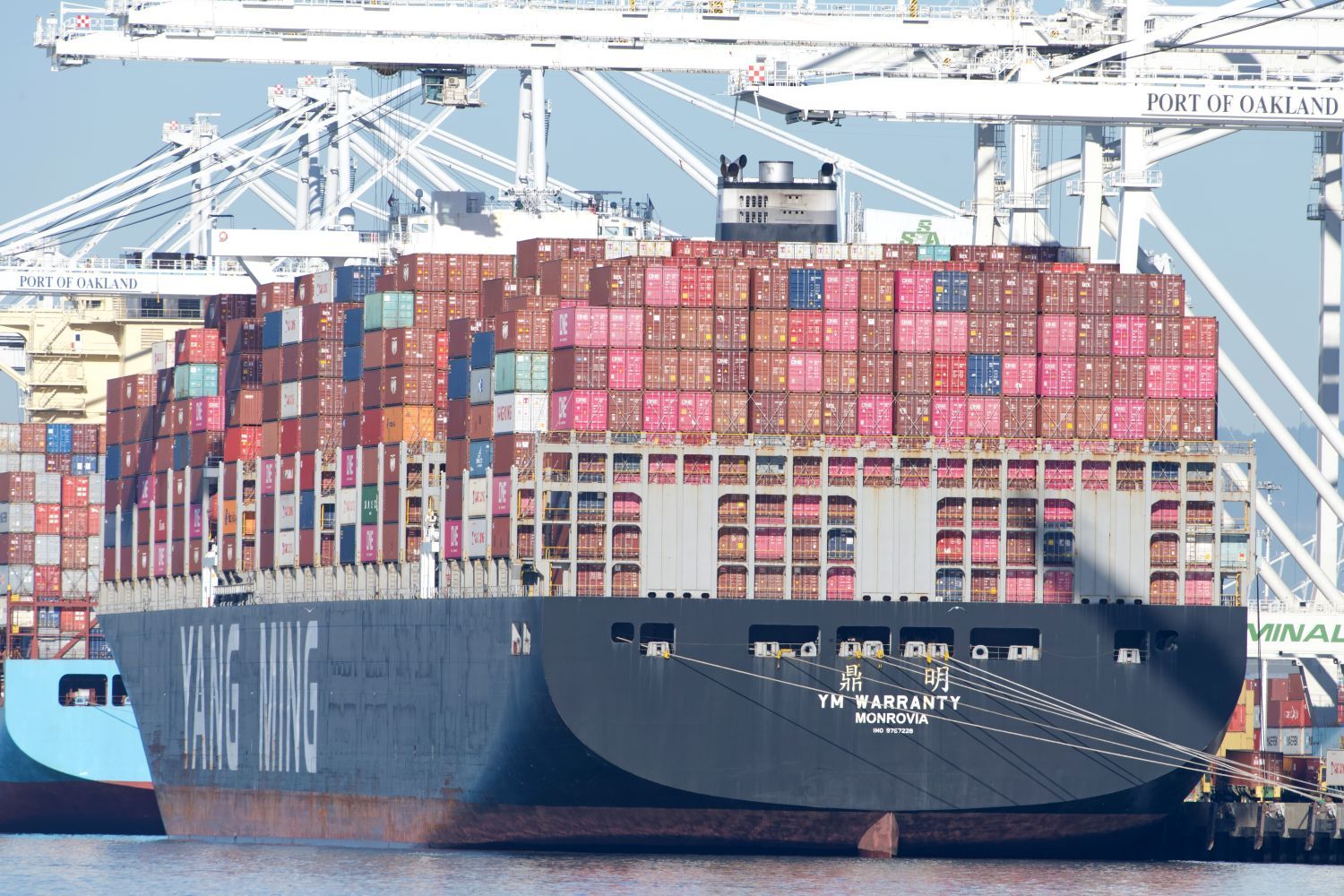
The Asia-US transpacific trade lane has become one of the most closely watched corridors in global shipping, and for good reason. Spot freight rates on this route have continued their upward trajectory, driven by a combination of forces that are proving more durable than many analysts initially anticipated. The latest factor adding fresh momentum to an already heated market is retail restocking — a dynamic that is layering new demand on top of the frontloading wave that has dominated carrier conversations for months.
For shippers, freight forwarders, and supply chain professionals navigating this environment, understanding the interplay between frontloading behavior and genuine retail demand replenishment is no longer a theoretical exercise. It is a practical necessity with direct cost implications.
US Retail Inventories Hit a Three-Year Low
Perhaps the most telling data point in the current freight market narrative is the US retail inventories-to-sales ratio, which fell to its lowest level in more than three years as of April. This metric — which measures how much stock retailers are holding relative to what they are selling — is a crucial barometer of downstream demand for ocean freight capacity.
When this ratio declines, it signals that shelves are getting thinner relative to consumer demand. Retailers facing lean inventory positions have little choice but to accelerate their replenishment cycles, which means placing orders with overseas suppliers earlier and in greater volume than they might otherwise choose to do. In practical terms, that translates directly into more containers moving across the Pacific.
The significance of this development cannot be overstated. For much of the past year, freight demand on the transpacific lane was being driven almost exclusively by a deliberate pull-forward of orders — importers rushing goods into the US ahead of anticipated tariff escalations. The concern among market watchers was always that this frontloading behavior was borrowing from future demand, and that once the rush subsided, a sharp correction in rates would follow. The emergence of genuine retail restocking needs complicates that forecast considerably.
Frontloading and Restocking: Two Engines Running Simultaneously
The current rate environment is unusual because it is being supported by two distinct demand drivers operating in parallel. Frontloading — the strategic acceleration of imports ahead of potential tariff changes or supply chain disruptions — has been the dominant theme. But restocking is now entering the picture as a structural, if somewhat less predictable, complement.
Frontloading is, by definition, a finite activity. Companies can only pull so much demand forward before they run up against warehouse capacity limits, working capital constraints, or the simple reality that future orders have been depleted. This is why the market has been asking a pointed question: how much steam does the current frontloading push actually have left?
Restocking, by contrast, is not discretionary in the same way. Retailers cannot leave shelves empty indefinitely without losing sales and market share. When inventories fall to the kinds of levels now being recorded, restocking becomes a business imperative rather than a strategic choice. This distinction matters enormously for anyone trying to forecast how long elevated spot rates on the Asia-US corridor can be sustained.
What Is Driving the Inventory Drawdown?
Several factors have contributed to the tightening of US retail inventory levels. Consumer spending, while showing signs of caution in some categories, has remained resilient enough to erode stock positions that were built up during earlier import surges. At the same time, the pace of new inbound shipments has not consistently kept pace with outflows, leaving retailers in a position where their buffer stock is thinner than they would prefer.
Trade policy uncertainty has also played a role. The on-again, off-again nature of tariff announcements has made it difficult for importers to manage their inventory pipelines with precision. Some have over-corrected by bringing in too much too soon, while others have been caught short. The net effect across the retail sector appears to be a drawdown in aggregate inventory levels that is now broad enough to register in national-level data.
Rate Implications for Shippers
For companies booking ocean freight on the Asia-US route, the current market dynamics present a challenging set of tradeoffs. Spot rates remain elevated, and the demand fundamentals described above suggest there is limited near-term catalyst for a meaningful correction.
- Contract versus spot strategy: Shippers who locked in long-term rates earlier in the year are seeing the benefit of that decision. Those relying on the spot market are absorbing significantly higher costs and facing tighter capacity availability on preferred sailings.
- Booking lead times: With both frontloading and restocking demand competing for the same vessel space, booking lead times have extended. Shippers are advised to plan further ahead than typical seasonal norms would suggest.
- Carrier relationships: In a tight market, shippers with strong carrier relationships and consistent volume commitments are better positioned to secure space at reasonable rates than those who shop purely on price.
- Inventory positioning: Companies with the warehouse capacity and working capital to hold additional safety stock may find it worthwhile to build buffer inventory now rather than face the combination of high rates and potential delays later.
The Outlook: Navigating Uncertainty With Eyes Open
The big question hanging over the transpacific market is duration. If restocking demand proves robust and sustained, it could extend the period of elevated spot rates well into the second half of the year. If, on the other hand, consumer spending softens or retailers decide to operate with structurally leaner inventories, the demand underpinning current rate levels could fade faster than carriers would like.
What is clear is that the simple narrative of a post-frontloading correction may need to be revised. The injection of restocking demand into an already supply-constrained market adds a layer of complexity that defies easy forecasting. For supply chain professionals, the practical advice is straightforward even when the outlook is not: stay close to your freight partners, monitor rate indices regularly, and build flexibility into your logistics planning wherever possible. In a market where two demand engines are running at once, agility is the most valuable asset a shipper can have.