
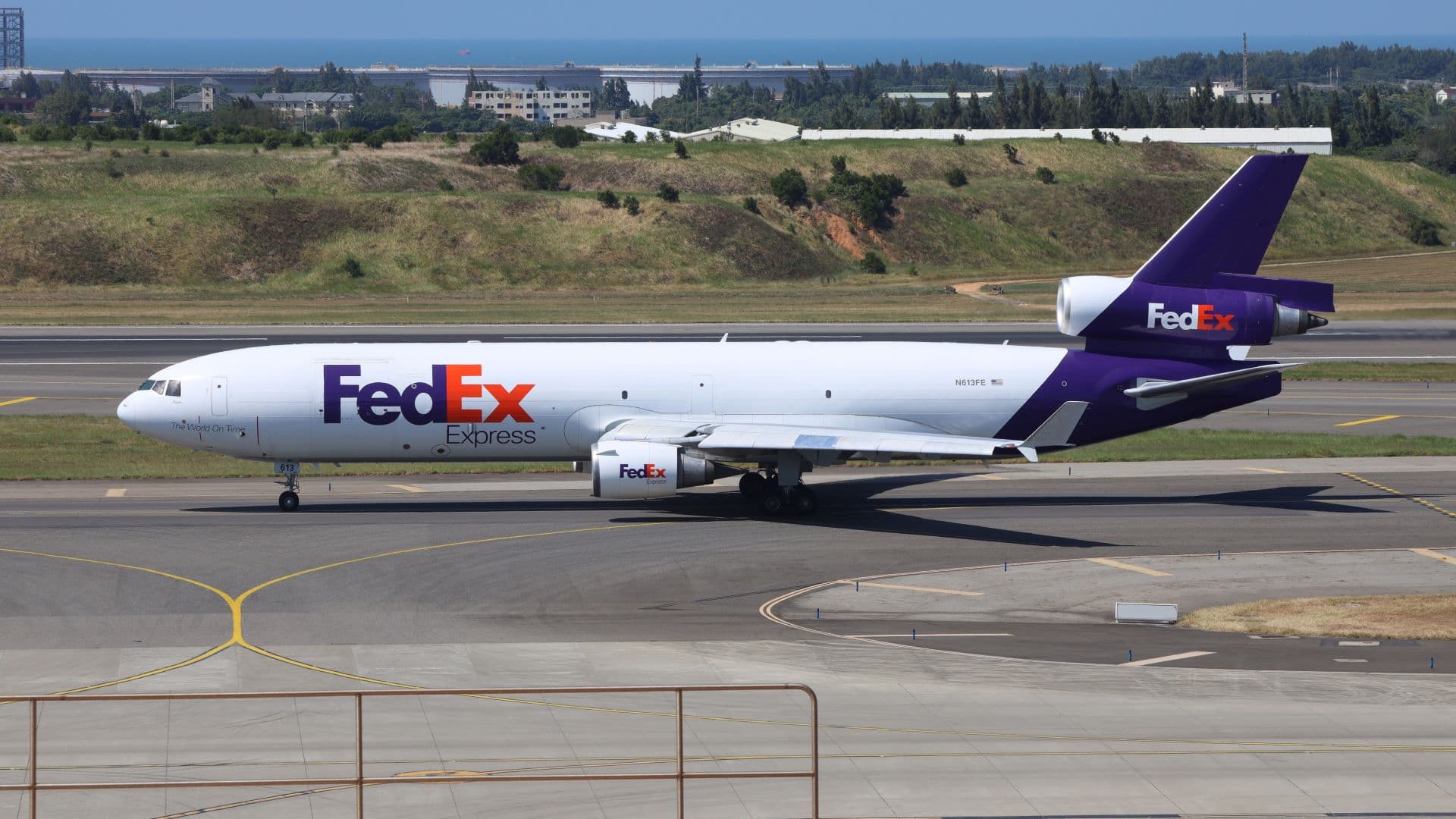
FedEx MD-11 Freighters Return to the Skies After FAA Clearance
FedEx Corp. is steadily rebuilding its operational capacity following one of the most disruptive grounding events in recent cargo aviation history. The freight transportation giant has reinstated four McDonnell Douglas MD-11 freighters since aviation authorities cleared the aircraft type to resume commercial flying approximately seven weeks ago. At the same time, the company retired five MD-11s during its fiscal fourth quarter, underscoring a delicate balancing act between restoring capacity and continuing its long-term fleet modernization strategy. Company executives have confirmed that FedEx plans to have its entire active MD-11 fleet available in time for the critical peak shipping season.
Why Were FedEx's MD-11s Grounded in the First Place?
The grounding of MD-11 freighters traces back to a serious aviation incident involving a UPS MD-11 freighter that crashed during takeoff in November after the left engine separated from the wing. Investigators identified a design flaw in the aircraft's engine pylon — specifically, a defect that can allow fatigue cracks to spread and ultimately compromise the structural integrity of the pylon that holds the engine to the wing. The consequences of that failure were catastrophic, prompting the Federal Aviation Administration to take swift action.
In early May, the FAA cleared MD-11 operators to resume commercial service after Boeing developed a new replacement part specifically engineered to address the identified design flaw. The fix involves replacing a critical bearing inside the engine pylon. To accomplish this, FedEx began removing engine pylons from its grounded aircraft at locations around the world and shipping them to maintenance hubs in Indianapolis and Memphis, Tennessee, where certified technicians perform the bearing replacement. It is a logistically intensive process, but one that FedEx has been executing methodically to restore its fleet as quickly and safely as possible.
FedEx Begins Gradual Return to Domestic MD-11 Operations
FedEx did not rush the reinstatement of its MD-11 fleet. The company started conservatively, initially operating two MD-11s on domestic routes before expanding operations as additional aircraft completed their maintenance modifications. Since the FAA's clearance, four aircraft have returned to active service, with the company's logistics and maintenance teams working continuously to bring the remaining grounded jets back online ahead of the high-demand holiday shipping season.
The MD-11, though a veteran of the skies, remains a workhorse in FedEx's long-haul cargo operations. Its tri-engine configuration and large payload capacity make it particularly valuable for transcontinental and transoceanic freight routes. Losing a significant portion of that capacity for several months placed meaningful pressure on FedEx's network, making the phased return of these aircraft a high priority for operations planners.
Fleet Retirements: What FedEx Removed Last Quarter
While working to restore MD-11 capacity, FedEx simultaneously continued its disciplined approach to fleet retirement. During its fiscal year fourth quarter, which ended May 31, the company took a $23 million charge to write down the value of 10 aircraft that were retired. That group included five large MD-11 freighters, four Boeing 757-200 narrowbody freighters, and one Airbus A300-600.
At the same time, FedEx took delivery of seven Boeing 767-300 production freighters during the fiscal year. When accounting for all additions and retirements, the net result was a decline of three aircraft compared to fiscal year 2025. FedEx's mainline fleet now stands at 383 aircraft, down slightly from 389 in fiscal year 2024.
A Four-Year Fleet Reduction Strategy Built Around Efficiency
The latest retirements are part of a deliberate, multi-year strategy. Over the past four years, FedEx has removed 34 cargo jets from its fleet, representing an 8% reduction compared to fiscal year 2022. This is not a sign of contraction in the company's business ambitions — rather, it reflects a calculated effort to eliminate excess capacity and improve operational efficiency across both ground and air networks.
Fleet modernization in the cargo airline industry typically means replacing older, less fuel-efficient aircraft with newer models that cost less to operate per ton-mile flown. Boeing's 767-300 freighter, for instance, offers improved fuel efficiency and lower maintenance costs compared to older widebody types. By gradually transitioning its fleet toward more modern aircraft, FedEx aims to reduce operating costs, lower its environmental footprint, and improve overall network reliability.
What the Peak Season Timeline Means for FedEx's Network
For FedEx, having the full active MD-11 fleet operational before peak season is a critical milestone. The holiday shipping season — typically spanning October through January — represents the most demanding period of the year for express freight carriers. Volumes surge dramatically as e-commerce shipments, retail inventory movements, and consumer deliveries all spike simultaneously.
Any reduction in available wide-body freighter capacity during that window would force FedEx to either charter additional aircraft at a premium, shift volume to other modes, or risk service delays. With the phased pylon replacement program underway and four aircraft already back in the air, FedEx appears on track to meet its self-imposed deadline.
Looking Ahead: FedEx's Fleet and the Future of Cargo Aviation
The MD-11 saga offers a broader lesson about the complexities of managing a large cargo fleet. Even aircraft that have been in service for decades can present new engineering challenges, and the regulatory response to safety events can have significant ripple effects across an entire network. FedEx's ability to manage the grounding, execute a technically demanding repair program at scale, and keep its customers informed reflects the depth of its operational capabilities.
- FedEx has reinstated four MD-11 freighters following FAA clearance in early May.
- Five MD-11s were retired last quarter as part of ongoing fleet modernization.
- A $23 million write-down covered 10 total aircraft retirements, including 757-200s and an A300-600.
- Seven Boeing 767-300 freighters were added during the fiscal year, resulting in a net fleet decline of three aircraft.
- FedEx's mainline fleet now totals 383 aircraft, down from 389 the prior year.
- The company targets full MD-11 fleet availability before peak shipping season.
As FedEx continues retiring older jets and integrating newer, more efficient freighters, its fleet will become progressively leaner and more capable. The MD-11's long-term future in the fleet remains tied to how efficiently the pylon replacement program progresses and how FedEx balances the aircraft's operational value against the economics of newer alternatives. For now, the priority is clear: get every available aircraft back in the air before the holiday rush begins.