
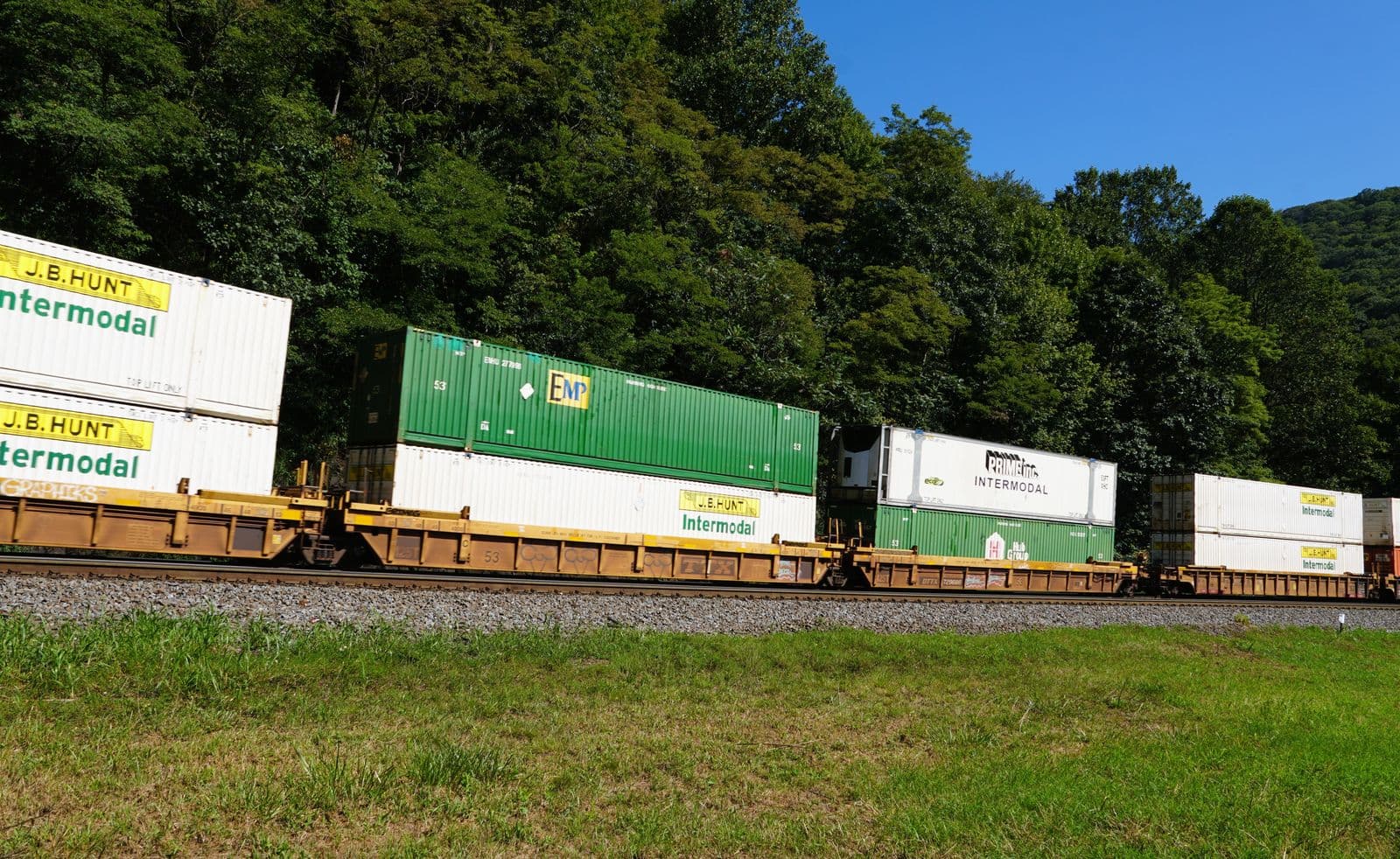
Intermodal Prices Are Already Climbing — Long Before 2027 Contract Negotiations Begin
If you are a shipper counting on steady intermodal rates until your next contract cycle rolls around, the market has some uncomfortable news for you. Intermodal prices are rising right now, well ahead of the 2027 contract negotiation season, and the primary driver is something many shippers did not see coming: asset-based intermodal marketing companies (IMCs) are turning away lower-priced freight. That selective rejection is cascading through routing guides and forcing shippers to pay more at every tier of their transportation network — today, not in two years.
Understanding why this is happening, and what it means for supply chain budgets and freight strategy, is essential for any logistics professional trying to manage costs in the current environment.
What Are Asset-Based IMCs and Why Do Their Decisions Matter So Much?
Intermodal marketing companies serve as intermediaries between shippers and the rail carriers that actually move double-stack containers across the country. Asset-based IMCs own or control their own equipment — primarily 53-foot domestic containers — which gives them far more flexibility and market power than their non-asset counterparts. Because they control the physical assets, they can be highly selective about which freight they accept and at what price point.
When freight markets soften, shippers typically expect IMCs to compete aggressively for volume, offering lower rates to fill their equipment. For a period following the pandemic freight boom, that expectation held true. But conditions have shifted. Asset-based IMCs are now rejecting freight that falls below their internal profitability thresholds, and that decision is reverberating throughout the intermodal supply chain in ways that are hitting shipper budgets hard.
How Routing Guide Failures Drive Up Freight Costs
To understand the pricing impact, it helps to understand how routing guides work in practice. Most mid-to-large shippers maintain a tiered routing guide — a ranked list of preferred carriers and modes for any given lane. The first position in the guide is typically the lowest-cost option that meets service requirements. When that carrier declines the tender, the freight waterfalls down to the second position, then the third, and so on.
Each successive tier in a routing guide almost always comes at a higher cost. The further a shipper falls into their guide, the more expensive each individual load becomes. In a healthy market, routing guide compliance is high and most freight moves at or near the primary carrier's rate. In a tighter or more selective market — like the one asset-based IMCs are now creating — tender rejections increase, freight cascades through secondary and tertiary options, and average per-load costs rise even without any formal rate increase being negotiated.
This is precisely the dynamic shippers are experiencing right now. When a major asset-based IMC declines to move a load at the contracted or quoted rate, that freight doesn't disappear. It gets picked up by someone else — often a spot market provider, a less-than-preferred truckload carrier, or a higher-tier intermodal option — at a meaningfully higher price. Multiply that pattern across hundreds or thousands of loads per month, and the budget impact becomes significant.
Why IMCs Are Pushing Back on Lower-Priced Freight
Asset-based IMCs are not rejecting freight arbitrarily. Several factors are making low-rate acceptance less attractive from their perspective.
- Equipment utilization discipline: Rather than filling containers at any price, IMCs are prioritizing lanes and rates where their equipment generates acceptable returns. Moving a container at a loss — or at minimal margin — ties up an asset that could sit idle and wait for better-paying freight.
- Rail network dynamics: Rail service has improved significantly compared to the disruptions of 2021 and 2022, but capacity is still a managed resource. IMCs with strong rail relationships are choosing to deploy that capacity on higher-value shipments rather than compete on price for marginal loads.
- Cost structure pressures: Drayage costs, chassis fees, and repositioning expenses have all remained elevated relative to pre-pandemic norms. IMCs accepting below-threshold rates on these loads may find themselves losing money when all-in costs are calculated.
- Strategic market positioning: Some asset-based IMCs appear to be deliberately holding the line on pricing ahead of the next contract cycle, signaling to shippers that the era of deeply discounted intermodal rates may be drawing to a close.
What This Means for Shippers Heading Into 2027 Negotiations
The 2027 contract season may still feel distant, but the pricing leverage battle is already underway. Shippers who assume that current contracted rates will hold — or that they can push rates lower in negotiations — may find themselves negotiating from a weakened position if IMCs demonstrate they are willing and able to walk away from freight that doesn't meet their pricing requirements.
The current market behavior is effectively a market signal. Asset-based IMCs are showing shippers that they have pricing discipline, that equipment is not unlimited, and that the willingness to accept low rates in exchange for volume has limits. That signal matters enormously when annual or multi-year contract discussions eventually begin.
Strategies Shippers Can Use to Manage Rising Intermodal Costs Now
While shippers cannot single-handedly reverse market dynamics, there are practical steps that can help manage intermodal cost exposure in the near term.
- Audit routing guide performance regularly: Tracking tender acceptance rates by carrier and lane reveals exactly where costs are leaking. Lanes with chronically low compliance deserve immediate strategic attention.
- Diversify IMC relationships: Relying too heavily on one or two asset-based IMCs creates vulnerability when those partners tighten their acceptance criteria. Building relationships with a broader set of providers — including non-asset IMCs — adds resilience.
- Invest in lane data and benchmarking: Understanding what the true market rate is for a given corridor, mode, and service level allows shippers to negotiate from an informed position rather than reacting to what carriers tell them rates should be.
- Engage carriers early on contract strategy: If 2027 negotiations are on the horizon, starting those conversations now — rather than waiting for a formal RFP cycle — gives shippers more time to understand carrier expectations and build relationships before the pressure is on.
- Consider longer-term volume commitments on key lanes: IMCs and rail providers are more likely to prioritize shippers who offer predictable, committed volume. Structured volume agreements on core lanes can create pricing stability even when the broader market tightens.
The Bottom Line: Don't Wait for 2027 to Start Paying Attention
The intermodal pricing story unfolding right now is not a preview of what will happen in 2027 — it is something that is happening to shipper budgets today. Asset-based IMCs exercising selectivity over the freight they accept, combined with the natural cost escalation that occurs as shipments fall deeper into routing guides, is creating real and measurable cost pressure for shippers across virtually every industry.
The shippers who will be best positioned — both to manage near-term costs and to negotiate effectively when 2027 arrives — are the ones who treat this moment as a strategic inflection point rather than a temporary anomaly. Monitoring routing guide compliance, diversifying carrier relationships, and engaging proactively with IMC partners are not just good logistics practices. Right now, they are essential cost management disciplines in a market that has already started moving against shippers, whether they are ready for it or not.