
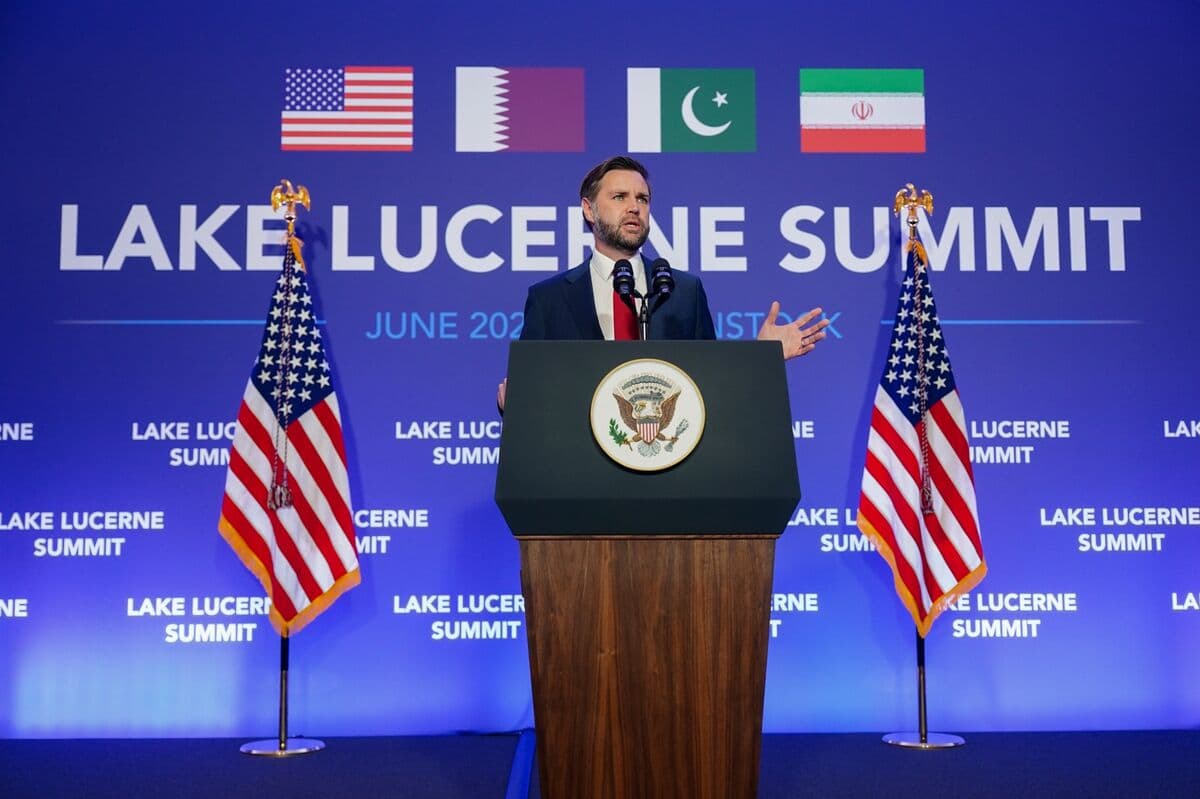
Iran Oil Waiver: US Grants 60-Day License as Diplomatic Talks Continue
In a significant diplomatic development, the United States has issued a 60-day license allowing Iran to sell oil on the international market. The move provides Tehran with a much-needed economic lifeline at a critical juncture, as the two longstanding adversaries continue to negotiate the terms of a potential permanent peace agreement. The decision has drawn attention from energy analysts, geopolitical observers, and oil market participants around the world, raising important questions about the future of US-Iran relations and the stability of global crude supply.
What Is the Iran Oil Waiver and Why Does It Matter?
An oil waiver, in the context of US sanctions policy, is a temporary authorization that permits a country or entity to engage in oil-related transactions that would otherwise be prohibited under existing sanctions frameworks. In this case, the 60-day license allows Iran to export oil internationally without immediately triggering the full weight of American sanctions penalties.
For Iran, whose economy has been severely constrained by years of US-led sanctions, this waiver represents a meaningful, if temporary, financial reprieve. Oil revenues are the lifeblood of the Iranian state, funding public services, government operations, and military expenditures. Without access to international oil markets, Tehran has faced persistent currency devaluation, inflation, and widespread economic hardship for its population.
The timing of the waiver is not incidental. By granting Iran access to oil revenues during an active negotiation period, Washington appears to be signaling a degree of goodwill — or at minimum, a strategic incentive for Tehran to remain engaged at the bargaining table. Diplomacy, particularly between deeply adversarial states, often requires tangible gestures that demonstrate seriousness of intent.
The Broader Context: US-Iran Diplomatic Negotiations
Relations between the United States and Iran have been tense for decades, shaped by the 1979 Islamic Revolution, the hostage crisis, proxy conflicts across the Middle East, and repeated cycles of nuclear brinkmanship. The landmark 2015 Joint Comprehensive Plan of Action (JCPOA) offered a brief window of engagement, but the Trump administration's 2018 withdrawal from that agreement set off a new era of maximum pressure sanctions and Iranian nuclear escalation.
In recent years, both countries have explored indirect and direct channels to reach a new understanding. The issuance of a 60-day oil license suggests that those conversations have advanced to a point where both sides are willing to take measured, concrete steps rather than relying purely on rhetoric. Whether this waiver is the prelude to a broader sanctions relief package — or a narrowly scoped tactical measure — remains to be seen.
Analysts note that the 60-day window itself is significant. It creates a defined timeline that introduces urgency into the negotiating process, potentially pressuring both delegations to reach meaningful milestones before the license expires. If talks collapse or stall, the US can simply allow the waiver to lapse without formally escalating tensions. If talks progress well, the waiver could be extended or replaced with a more comprehensive sanctions relief framework.
Impact on Global Oil Markets
Iran holds some of the world's largest proven oil reserves, and its return to international markets — even partially — carries implications for global supply and pricing dynamics. When Iranian crude flows more freely, it typically exerts downward pressure on oil prices, a development that benefits oil-importing nations but can concern OPEC+ members who have structured production agreements around current price levels.
Markets have been watching US-Iran developments closely given the already complex global energy landscape. Ongoing conflicts in other oil-producing regions, shifting OPEC+ output strategies, and uncertain demand forecasts from major economies like China and Europe have kept crude prices volatile. The entry of additional Iranian barrels, even under a temporary waiver, adds another variable for traders and energy planners to assess.
- Short-term supply increase: Iran has maintained substantial oil production capacity despite sanctions, meaning additional barrels could reach international buyers relatively quickly once export channels are legally cleared.
- Price sensitivity: Even the anticipation of Iranian oil returning to market can push crude benchmarks like Brent and WTI lower, reflecting trader expectations of looser supply conditions.
- OPEC+ dynamics: Saudi Arabia and other key OPEC+ members may need to revisit output targets if Iranian exports increase significantly, complicating the alliance's already delicate balancing act.
What Comes Next for US-Iran Relations?
The 60-day oil license is best understood as one chapter in what promises to be a lengthy and complicated diplomatic story. A permanent deal between Washington and Tehran would require resolving a wide range of contested issues, including Iran's uranium enrichment levels, ballistic missile development, regional proxy activities, and the fate of detained nationals on both sides.
Progress on any one of these fronts is difficult; progress on all of them simultaneously is extraordinarily challenging. Still, the fact that both governments appear willing to exchange economic concessions for continued dialogue suggests that the appetite for diplomacy, at least for now, outweighs the preference for confrontation.
For the Iranian people, who have borne the economic brunt of decades of sanctions, even a temporary waiver offers tangible relief. For the broader international community — particularly US allies in Europe and Asia who have long advocated for a diplomatic path — the development will be cautiously welcomed as a sign that negotiated solutions remain possible.
Conclusion
The US decision to issue Iran a 60-day oil sales license is a carefully calibrated diplomatic gesture with real economic weight. It buys time, creates incentives, and signals — however tentatively — that both sides see value in continued engagement. As talks proceed, the world will be watching closely to see whether this short-term lifeline evolves into a lasting framework for peace, or whether familiar patterns of mistrust ultimately reassert themselves. The next 60 days may prove more consequential than they first appear.