
Hawthorne Race Course Faces June 26 Bid Deadline Amid Chapter 11 Bankruptcy
One of Illinois's most storied horse racing venues is racing against time. Hawthorne Race Course, the historic 108-acre racetrack located just west of Chicago in Stickney, Illinois, has officially entered a high-stakes sale process as part of its ongoing Chapter 11 bankruptcy proceedings. Qualified buyers have until June 26 to submit bids for the property, marking a pivotal moment for a venue that has been a landmark of Midwestern racing culture for well over a century.
The sale deadline comes as scrutiny around the bankruptcy process continues to intensify, with creditors, regulators, and potential investors all watching closely to determine what the future holds for this beloved but financially distressed institution. Whether Hawthorne survives as a functioning racetrack or is redeveloped into something else entirely may depend heavily on what happens in the coming days.
What Is Hawthorne Race Course and Why Does It Matter?
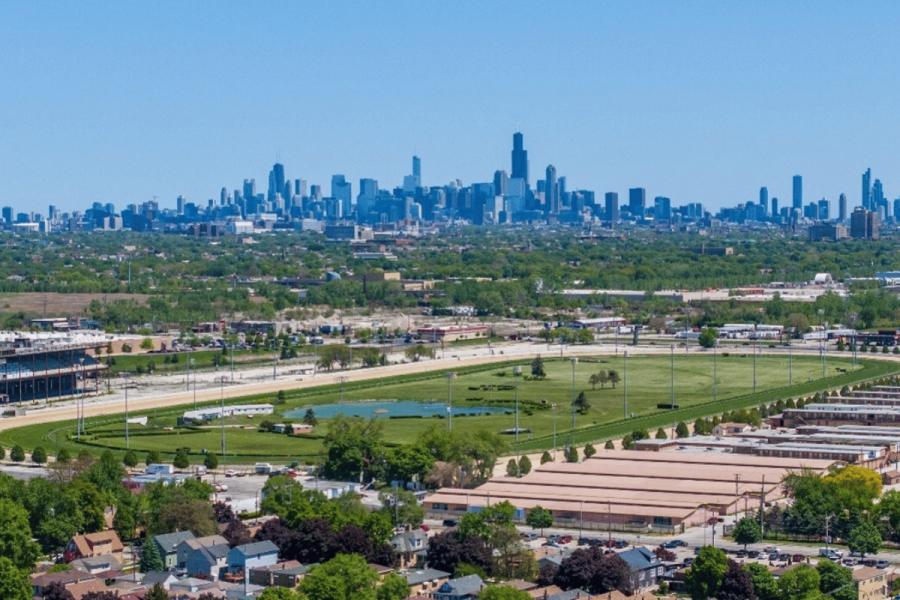
Hawthorne Race Course has been a fixture in Illinois horse racing since the late 1800s, making it one of the oldest continuously operating racetracks in the United States. Situated on a sprawling 108-acre site with the Chicago skyline visible in the background, the venue has hosted generations of Thoroughbred and harness racing fans, trainers, jockeys, and bettors. Its cultural and historical significance to the region is difficult to overstate.
Beyond its sentimental value, the property sits in a commercially attractive location. Its proximity to Chicago and its sheer size make it a prime candidate for large-scale redevelopment, which is precisely what has drawn the attention of industrial real estate interests. According to reports, the property has been actively marketed as a potential industrial park site if no racing-friendly buyer steps forward to rescue it from bankruptcy. That prospect has alarmed horse racing advocates and local stakeholders who fear the permanent loss of one of Illinois's most iconic racing destinations.
The Chapter 11 Bankruptcy Process Explained
Chapter 11 bankruptcy allows a business to restructure its debts while continuing to operate, rather than simply liquidating its assets. For Hawthorne Race Course, this legal framework has provided temporary breathing room, but it has not resolved the underlying financial challenges that pushed the track into insolvency in the first place.
The bankruptcy process has not been without controversy. Earlier in the proceedings, a bankruptcy judge denied an emergency hearing request related to the racetrack, signaling that the court intends to follow established procedural timelines rather than expedite decisions under pressure. That ruling underscored the seriousness of the situation and reinforced that any resolution will need to come through the formal sale and restructuring process currently underway.
The June 26 deadline for qualified bids represents the next major milestone. After bids are received and reviewed, the court and the debtor will evaluate proposals and determine the best path forward, whether that means selling to a buyer who will keep racing alive, restructuring under new ownership, or approving a redevelopment plan that would effectively end Hawthorne's life as a racetrack.
Who Might Be Interested in Buying Hawthorne Race Course?
The pool of potential bidders is expected to span a wide range of interests. On one side are horse racing industry stakeholders, including gaming companies, racing conglomerates, and regional operators who might see value in preserving the racetrack's operations and its associated simulcasting and wagering revenues. Illinois has a complex regulatory environment for horse racing and gaming, and owning a licensed facility like Hawthorne comes with significant strategic value for the right buyer.
On the other side are commercial real estate developers, particularly those focused on industrial and logistics properties. The Chicago metropolitan area has seen strong demand for industrial real estate in recent years, driven by e-commerce growth and supply chain investment. A 108-acre parcel with good highway access near a major city is exactly the kind of site that industrial developers covet, and some reports suggest that this redevelopment scenario has already been actively explored by interested parties.
The tension between these two buyer types is at the heart of what makes the Hawthorne bankruptcy so consequential. The outcome will not just affect investors and creditors. It will shape the future of horse racing in Illinois and determine whether a 100-plus-year legacy continues or is replaced by warehouses and distribution centers.
What Happens After the Bid Deadline?
Once the June 26 bid deadline passes, the court-supervised process will move into an evaluation and potential auction phase. If multiple qualified bids are received, a competitive auction could drive up the sale price and give the track's creditors a better recovery on their claims. If only one serious bid materializes, negotiations will proceed on a more bilateral basis.
Illinois horse racing regulators are also expected to play a role, as any new owner intending to continue racing operations will need to satisfy licensing and regulatory requirements. That adds another layer of complexity to an already intricate process and may ultimately favor buyers who already have experience operating within regulated racing or gaming environments.
The Broader Stakes for Illinois Horse Racing
The outcome of the Hawthorne Race Course bankruptcy will send a signal about the health and viability of horse racing in Illinois more broadly. The state's racing industry has faced headwinds for years, including competition from casinos, declining attendance, and shifting entertainment preferences. Losing Hawthorne to industrial redevelopment would represent a significant blow to an industry already fighting for relevance and survival.
Advocates for the sport are urging qualified buyers with a genuine commitment to horse racing to come forward before the June 26 deadline. For them, this is not just a real estate transaction. It is a fight to preserve a piece of American sporting history. The clock is ticking, and the final stretch has begun.