
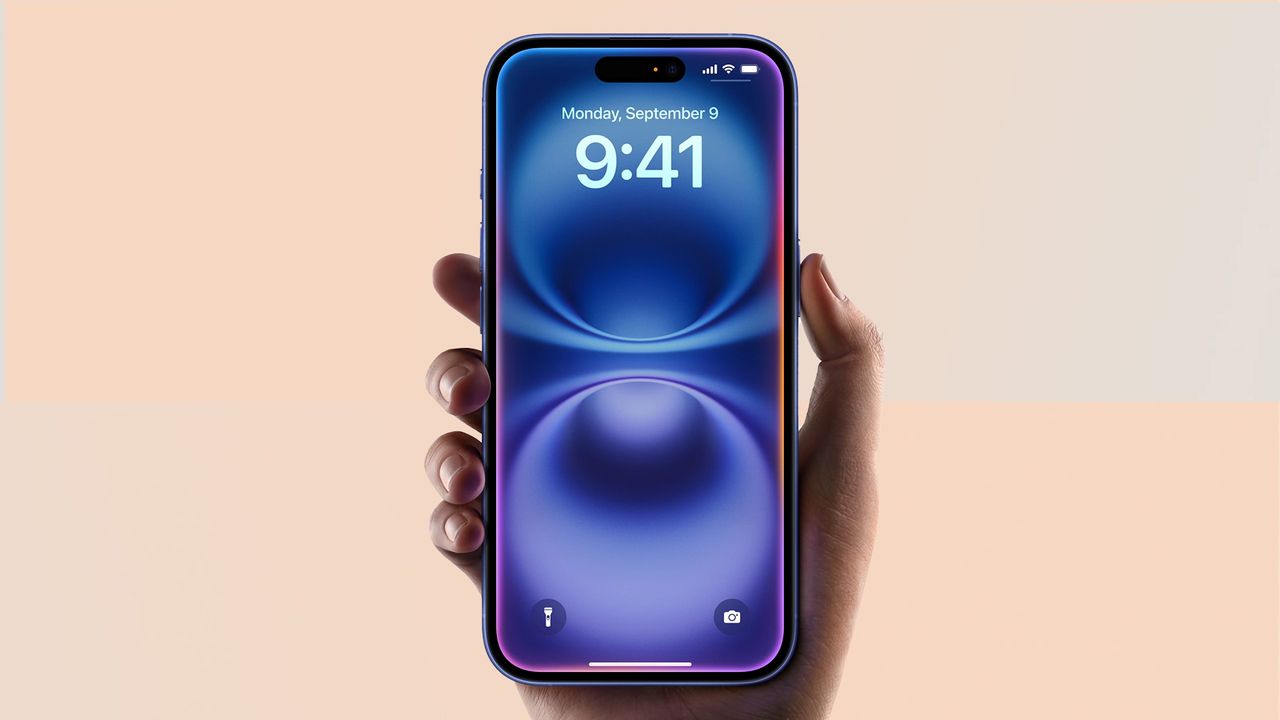
Apple Restricts Advanced Siri AI Features for EU iPhone Users
Apple has confirmed that iPhone users in the European Union will not have access to some of its most anticipated artificial intelligence features, including enhanced Siri capabilities powered by Apple Intelligence. The decision stems from Apple's ongoing difficulties navigating the EU's sweeping Digital Markets Act (DMA), a piece of legislation designed to rein in the dominance of Big Tech on the continent. For millions of iPhone users across France, Germany, Italy, Spain, and other EU member states, this means missing out on features that are already rolling out elsewhere in the world.
However, there is a notable silver lining for consumers on the other side of the English Channel. UK iPhone owners are not subject to the same regulatory framework, and Apple has indicated that users in Britain should be able to access the full suite of Siri AI and Apple Intelligence features without restriction. In the wake of Brexit, the UK operates under its own competition and digital regulation regime, and for now at least, that separation is working in favour of British Apple users.
What Is the Digital Markets Act and Why Does It Matter for Apple?
The Digital Markets Act came into force in the European Union as part of a broader push to create fairer digital markets and reduce the stranglehold that a handful of powerful technology companies hold over consumers and businesses. Under the DMA, companies designated as "gatekeepers" — which include Apple — are required to open up their platforms, allow greater interoperability, and prevent self-preferencing behaviour that disadvantages rivals.
Apple has consistently argued that complying with certain DMA requirements creates security and privacy risks for its users. The company has been particularly resistant to provisions that would require it to allow third-party app stores, enable sideloading, and give rival services deeper access to hardware and software features — all of which Apple claims could compromise the integrity of the iPhone ecosystem.
When it comes to AI features, the concern is similarly rooted in interoperability obligations. Apple Intelligence integrates deeply with the operating system and, in some configurations, works alongside third-party AI providers such as OpenAI's ChatGPT. Apple has indicated that rolling out these deeply integrated AI tools in the EU, while simultaneously complying with DMA obligations around interoperability and access, creates a set of technical and legal complexities that it has not yet resolved. As a result, rather than risk non-compliance, the company has chosen to withhold the features entirely from EU users for the time being.
Which Siri AI Features Are EU iPhone Users Missing Out On?
The features being withheld from EU iPhone users form a significant part of Apple's recent marketing push around the iPhone 15 and iPhone 16 lineups. Among the most high-profile omissions are:
- Enhanced Siri with on-screen awareness: The new Siri is capable of understanding context from what is displayed on a user's screen and taking actions across multiple apps simultaneously, representing a major leap from the comparatively limited Siri that iPhone users have been accustomed to for years.
- Writing tools powered by Apple Intelligence: These tools allow users to rewrite, proofread, and summarise text across the system, from emails and messages to notes and documents.
- Image generation and the Genmoji feature: Apple's generative AI image tools, including the ability to create custom emoji-style images based on text prompts, are also off the table for EU users.
- ChatGPT integration within Siri: Apple's partnership with OpenAI to bring ChatGPT directly into Siri's conversational flow is another feature currently unavailable in the EU.
- Smart notification summaries: AI-generated summaries of notifications and emails, designed to help users triage information more efficiently, are also absent for EU device holders.
Taken together, these absences represent a substantial gap in the iPhone experience for EU consumers compared to users in the United States, the United Kingdom, Canada, Australia, and other supported regions.
Why Are UK iPhone Users Unaffected?
Since leaving the European Union, the United Kingdom has developed its own approach to digital regulation. While the UK does have the Digital Markets, Competition and Consumers Act — legislation that introduces some similar concepts around designated firms with strategic market status — Apple has not faced the same immediate interoperability demands in the UK that have caused the standoff in Europe.
The UK's Competition and Markets Authority (CMA) is actively investigating Apple and other major platforms, but the regulatory timeline and specific obligations differ significantly from the DMA. For the moment, Apple has not identified any equivalent legal conflict that would prevent it from rolling out Apple Intelligence features to UK users, meaning British iPhone owners can expect to receive the full AI experience as it becomes available on supported hardware.
This is a rare post-Brexit scenario where divergence from EU regulation has worked directly in favour of UK consumers rather than against them — a point that has not gone unnoticed by technology commentators and policymakers alike.
What Does This Mean for the Future of AI on iPhones in Europe?
Apple has been careful not to suggest that EU users will never receive these features. The company has framed the situation as a delay rather than a permanent withdrawal, and it continues to engage with EU regulators in search of a workable path forward. However, given the pace of regulatory negotiations and Apple's track record of cautious compliance in Europe, there is no clear timeline for when EU iPhone users can expect to catch up.
There is also a broader strategic question about whether Apple will ultimately choose to meet the EU's demands or continue holding back features as a form of leverage in its negotiations with Brussels. The company's hardline stance on DMA compliance has already resulted in legal proceedings and significant fines, and the AI feature dispute adds another dimension to an already fraught relationship between Apple and EU regulators.
For consumers in the EU, the immediate practical advice is straightforward: if accessing the latest Siri AI features is a priority when choosing your next smartphone, the current regulatory environment means that iPhone may not deliver the full experience that its marketing suggests — at least not yet.
The Bigger Picture: Regulation, Innovation, and Consumer Choice
The Siri AI situation in the EU is emblematic of a wider tension playing out across the global technology industry. Regulators in Europe are attempting to use landmark legislation to reshape how powerful digital platforms operate, with the stated goal of protecting consumers and fostering competition. But critics argue that the DMA's requirements, however well-intentioned, risk creating a two-tier internet where European users receive a diminished version of the same products available elsewhere.
Apple is not the only company navigating this tension. Meta has similarly restricted some of its AI features in the EU, and other major platforms have found themselves in comparable standoffs with Brussels. The cumulative effect could see European consumers consistently lagging behind their counterparts in other regions when it comes to cutting-edge technology features.
For UK iPhone users watching from the sidelines, the situation serves as a timely reminder of how profoundly the regulatory environment shapes the products and services available to consumers — and how post-Brexit Britain occupies an increasingly distinct digital landscape from its closest neighbours.