
Mundra Port Congestion: What Shippers Need to Know Right Now
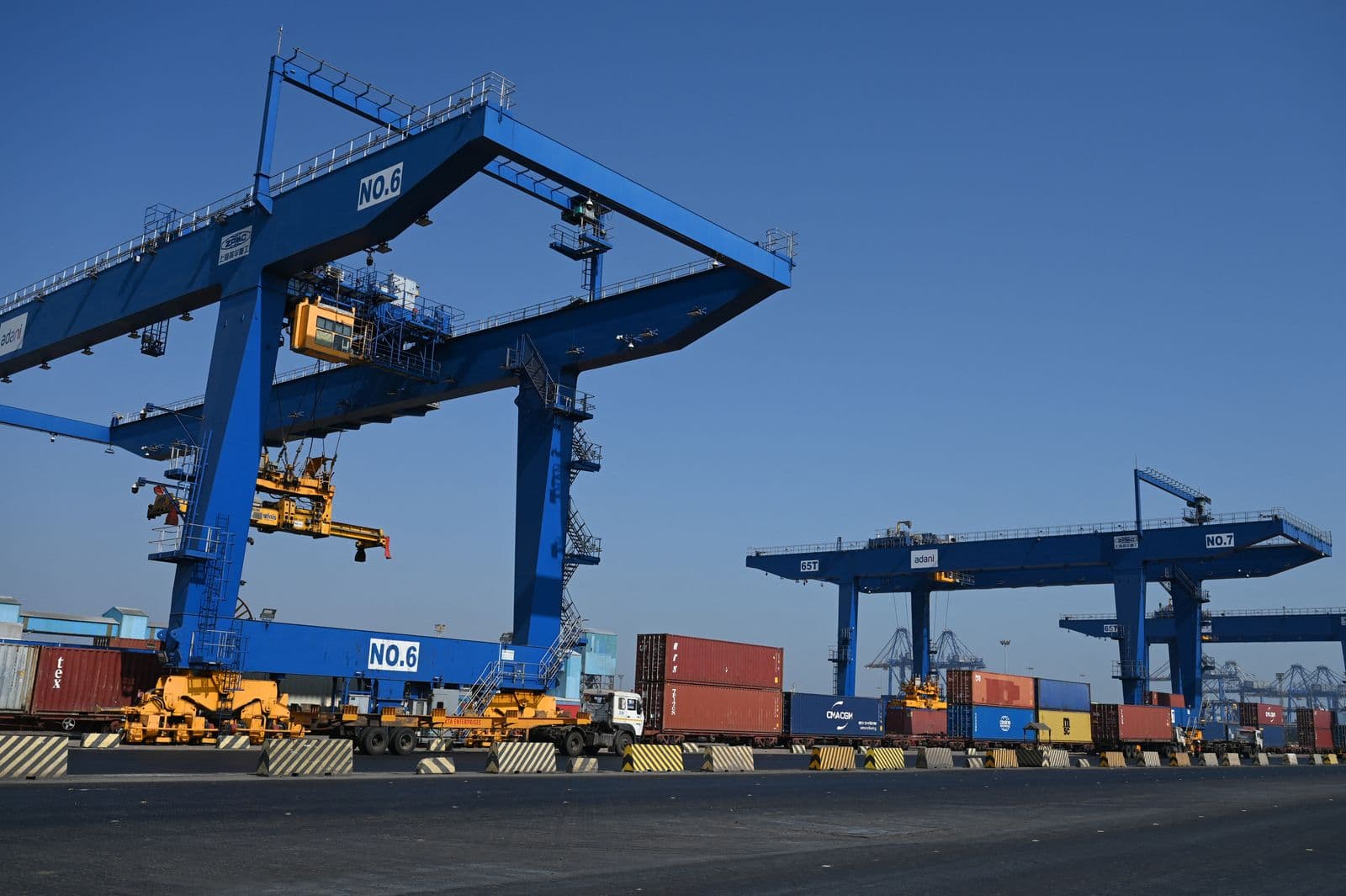
India's busiest container port is under mounting pressure. Mundra Port, operated by Adani Ports and Special Economic Zone (APSEZ) on the northwestern coast of Gujarat, is experiencing a significant rise in congestion — and the ripple effects are being felt far beyond its terminals. Ocean carriers are now issuing formal warnings to shippers, alerting them to expect additional costs and substantial inland delays as an influx of rerouted transshipment cargo strains both port infrastructure and the rail network connecting Mundra to key hinterland destinations across the country.
The root cause is a familiar one in global logistics circles: the ongoing conflict in the Middle East. As hostilities in the region have disrupted established shipping lanes through the Red Sea and the Suez Canal, ocean carriers have scrambled to reroute cargo via alternative transshipment hubs. Mundra, already one of the busiest and most strategically positioned ports in South Asia, has absorbed a considerable share of that redirected freight — and the surge in volume is pushing its landside infrastructure to its limits.
The Middle East Conflict's Reach Into Indian Supply Chains
Since the escalation of conflict near the Red Sea corridor, major global carriers have been avoiding transits through one of the world's most heavily trafficked maritime chokepoints. This has forced ships to take longer routes around the Cape of Good Hope, adding days and costs to voyages. At the same time, transshipment patterns have shifted dramatically, with cargo that would previously have moved through ports like Jebel Ali or Port Said now being redirected toward South Asian hubs — including Mundra.
For India, the consequences are twofold. On one hand, the increase in transshipment volume positions Mundra as a growing node in global maritime logistics. On the other, the sudden surge in container throughput has exposed structural limitations in the port's connectivity to inland freight corridors. Rail links — which are the primary mode of moving high volumes of cargo from Mundra to major consumption centers like Delhi, Ahmedabad, and beyond — are now severely strained, creating bottlenecks that translate into extended dwell times and unpredictable delivery schedules.
Rail Congestion: The Bottleneck Behind the Bottleneck
While port terminals themselves can manage surge capacity to a degree through operational adjustments, the rail network feeding into and out of Mundra operates with far less flexibility. The Dedicated Freight Corridor (DFC), which was designed to ease exactly these kinds of pressures, has improved connectivity, but the sheer volume of additional transshipment cargo has overwhelmed available rail slots. Containers are sitting in yards for longer periods, waiting for rail capacity that simply is not keeping pace with demand.
Ocean carriers have begun notifying customers that cargo originating from or transiting through Mundra may face:
- Extended dwell times at the port due to rail slot shortages and yard congestion
- Additional surcharges related to detention, demurrage, and inland haulage delays
- Unpredictable transit times to inland container depots (ICDs) and dry ports
- Increased competition for available rail wagons among importers and exporters
- Potential last-minute re-routing of cargo to alternative inland transport modes
These warnings are not theoretical. Shippers with time-sensitive cargo — particularly those in automotive, pharmaceuticals, textiles, and consumer goods sectors — are already reporting delays that are affecting production schedules and inventory planning downstream.
Cost Implications for Importers and Exporters
Beyond the operational disruption, the financial impact on shippers is becoming increasingly significant. Detention and demurrage charges are accruing at faster rates as containers remain at terminals longer than anticipated. Inland haulage costs are also rising, in part because some shippers are being forced to shift from rail to road transport — a more expensive option — simply to keep their supply chains moving.
Ocean carriers, for their part, are implementing congestion surcharges on routes touching Mundra. These charges, while not new as a concept, are adding a layer of cost that many shippers had not budgeted for at the start of the year. Combined with the higher base freight rates already driven up by the Red Sea disruption, the total cost burden for importers and exporters routing cargo through Mundra has risen noticeably in recent months.
What Shippers Should Do Now
Supply chain professionals managing freight through Mundra Port would be well served by taking a proactive approach to the current disruption. Several strategies can help mitigate the impact:
- Engage your freight forwarder early: Ensure your forwarder is actively monitoring rail availability and has contingency plans in place for road-based alternatives when necessary.
- Build buffer time into delivery schedules: Given the unpredictability of inland transit times, add conservative buffers to production and inventory timelines to absorb unexpected delays.
- Review your demurrage and detention exposure: Audit your container return schedules and work with your carrier or 3PL to negotiate extended free-time windows where possible.
- Explore alternative entry points: Depending on your cargo's final destination, ports like Nhava Sheva (JNPT) or even Pipavav may offer less congested routing options for certain inland corridors.
- Stay current with carrier advisories: Ocean carriers are updating their surcharge notices and service advisories regularly. Monitoring these closely will help you anticipate cost changes before invoices arrive.
Looking Ahead: When Will Congestion Ease?
The honest answer is that no one can say with certainty. The duration and intensity of the disruption at Mundra is directly tied to how long the Middle East conflict continues to displace normal shipping patterns. If Red Sea transits resume at scale, the pressure on transshipment hubs like Mundra should ease gradually. However, logistics analysts caution that even a resolution of the immediate conflict may not restore pre-disruption shipping flows quickly, as carriers have restructured their networks and established new routing habits that may persist for months.
In the meantime, Mundra Port and Indian Railways are working to increase throughput capacity, and the government has expressed interest in expediting DFC expansion phases. But infrastructure improvements take time — and for shippers navigating today's delays, the priority is adapting to present conditions rather than waiting for systemic fixes.
The Bigger Picture for Indian Trade Logistics
The current congestion at Mundra is a reminder that global events — wars, pandemics, climate disruptions — have a direct and often rapid effect on India's trade infrastructure. As Mundra continues to grow its role as a transshipment hub, investment in landside connectivity, including rail, road, and ICD networks, will be essential to ensure that port capacity gains are not undermined by inland bottlenecks. For now, shippers must navigate a challenging environment with flexibility, clear communication with logistics partners, and a willingness to absorb some level of additional cost and uncertainty as global supply chains continue to adapt.