
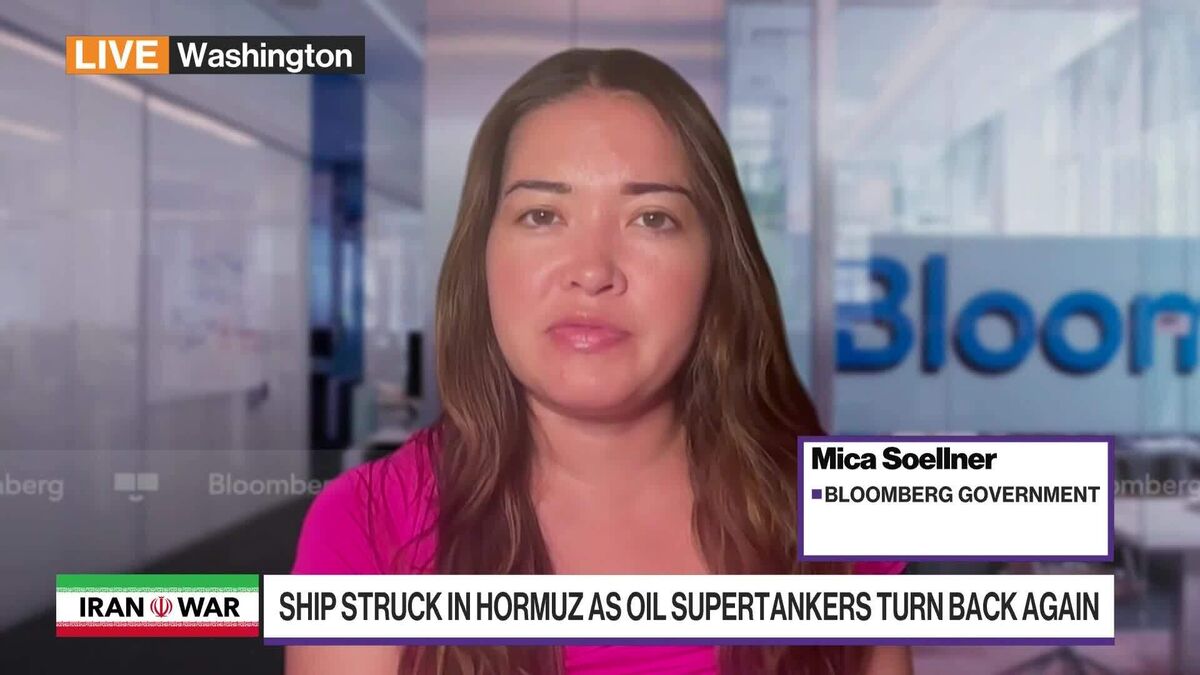
Oil Prices Surge Following Attack on Ship in the Strait of Hormuz
Global oil markets jolted higher after a commercial vessel was struck by an unknown projectile in the Strait of Hormuz, one of the world's most strategically critical waterways. The attack, which caused significant damage to the ship's bridge, has once again drawn international attention to the vulnerabilities of global energy supply chains and the outsized role that Middle Eastern shipping lanes play in keeping the world's fuel flowing.
The incident sent crude oil prices climbing as traders and analysts scrambled to assess the potential fallout. Though the full details of the attack — including the identity of those responsible — remained unclear at the time of reporting, the mere occurrence of another strike in this region was enough to stoke fears of a broader disruption to oil supplies.
Why the Strait of Hormuz Matters So Much
To understand why a single incident in the Strait of Hormuz can move global oil markets, it helps to appreciate just how much energy passes through this narrow body of water every single day. Situated between Oman and Iran, the strait is roughly 21 miles wide at its narrowest point, yet it serves as the transit corridor for approximately 20 percent of the world's total oil supply.
According to the U.S. Energy Information Administration, roughly 17 to 21 million barrels of oil pass through the Strait of Hormuz on a daily basis. That figure encompasses crude oil bound for Asia, Europe, and North America alike. In addition to crude, significant volumes of liquefied natural gas — particularly from Qatar — also travel through this corridor.
Given these staggering volumes, any credible threat to freedom of navigation in the strait triggers an immediate and often outsized reaction in energy markets. Even the perception of risk, rather than an actual, sustained disruption, is typically sufficient to push prices higher.
What Happened: The Ship Attack in Detail
The vessel was struck by what authorities described as an unknown projectile, with damage confirmed to the bridge — the command center of a ship from which navigation and communications are managed. While initial reports did not confirm casualties, the structural damage was significant enough to raise alarms across the maritime and energy sectors.
Bloomberg's reporting on the incident highlighted the uncertainty surrounding the origin of the projectile, a detail that compounded market anxiety. When the source of an attack is unidentified, it complicates both diplomatic responses and risk assessments for shipping companies and insurers operating in the region.
This type of incident follows a pattern of intermittent attacks on commercial and energy-carrying vessels in and around the Persian Gulf and Red Sea over recent years, a series of events that has forced shipping companies to reconsider routing, invest in additional security measures, and in some cases pay dramatically higher insurance premiums for transits through the area.
How Oil Markets Responded
The price reaction in crude oil markets was swift. Futures contracts for both Brent crude — the international benchmark — and West Texas Intermediate moved higher as the news spread. This kind of geopolitical risk premium is a well-established feature of oil markets: when perceived threats to supply emerge, especially in the Middle East, traders price in the possibility of actual disruption before it materializes.
Analysts were quick to contextualize the move. While the price increase was notable, markets also remained cautious about over-reacting to a single incident without clearer evidence of an escalating pattern or state-level involvement. Still, even cautious voices acknowledged that the Strait of Hormuz is not a place where markets can afford to dismiss threats lightly.
Geopolitical Tensions and Their Ongoing Impact on Energy Prices
The attack on the vessel in the Strait of Hormuz does not exist in a vacuum. It comes against a backdrop of elevated geopolitical tensions across the broader Middle East, including ongoing conflicts and diplomatic friction that have kept energy markets on edge for an extended period.
- Shipping attacks in the Red Sea, attributed to Houthi forces in Yemen, have already forced major shipping companies to reroute vessels around the Cape of Good Hope, significantly increasing transit times and costs.
- Tensions between Iran and Western nations over nuclear negotiations have periodically spiked, raising fears of Iranian interference with Gulf shipping — a tactic Tehran has threatened and, at times, employed in the past.
- Insurance costs for vessels transiting the Persian Gulf and adjacent waters have risen considerably, adding operational pressure on shipping companies and, ultimately, contributing to higher costs for energy consumers worldwide.
Each new incident adds a fresh layer of uncertainty to an already complex risk environment, making it more difficult for producers, logistics operators, and consumers to plan with confidence.
What This Means for Global Energy Consumers
For consumers, the implications of sustained instability in the Strait of Hormuz are tangible and potentially far-reaching. Higher oil prices translate relatively quickly into higher fuel costs at the pump, elevated transportation costs for goods, and broader inflationary pressure across economies that remain heavily dependent on fossil fuels.
While the energy transition is underway globally, oil and natural gas continue to provide the majority of the world's energy. That dependency means events like this ship strike — seemingly isolated in geographic terms — reverberate across every major economy on the planet.
Looking Ahead: Monitoring the Situation
Market participants, government officials, and maritime security experts will be closely watching developments in the Strait of Hormuz in the days ahead. Key questions include the identity of those behind the attack, whether retaliatory or escalatory actions follow, and how major oil-producing nations and their customers respond diplomatically and logistically.
For now, oil prices reflect the uncertainty. And as history repeatedly shows, when it comes to energy markets and the Strait of Hormuz, uncertainty alone is more than enough to keep traders on high alert.