
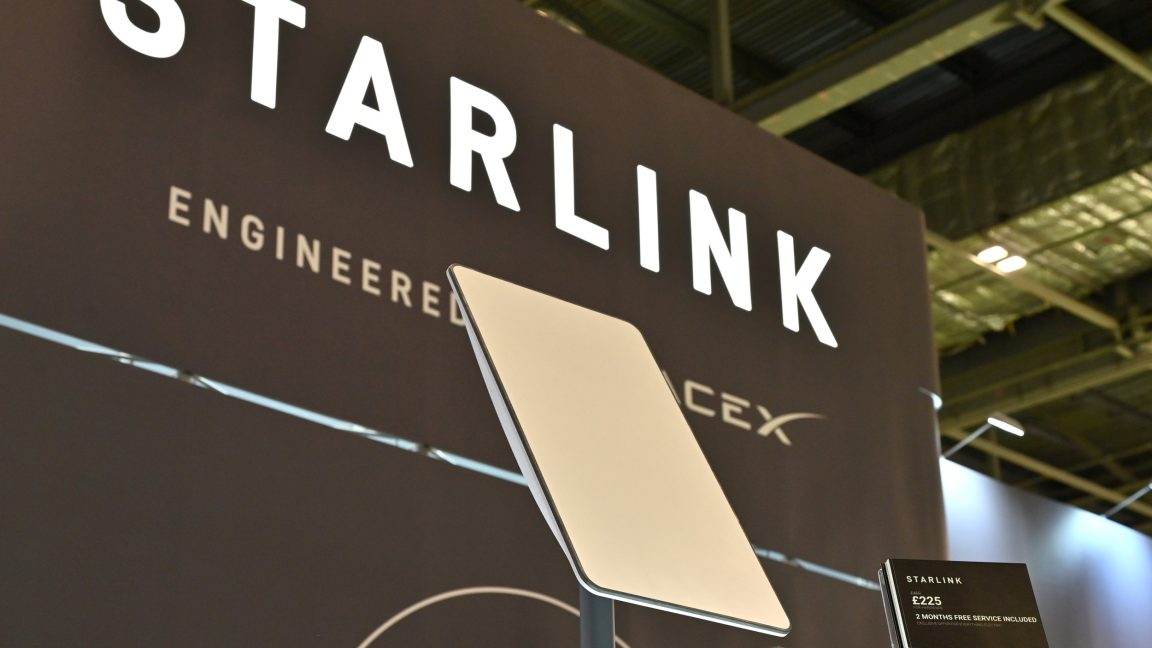
Starlink Introduces a $10 Monthly Hardware Fee, Ending Its One-Time Purchase Model
SpaceX's Starlink satellite internet service has quietly made a significant change to how it charges customers for equipment. Rather than selling its hardware outright for a one-time upfront cost, Starlink has shifted to a monthly rental model — charging users an additional $10 per month as a "kit fee." If you're an existing subscriber, thinking about signing up, or just keeping an eye on the satellite internet industry, this change is worth understanding in full.
This move mirrors the long-standing practice of traditional cable and telecom providers, who have charged monthly equipment rental fees for modems and routers for decades. The fact that Starlink — a company that once positioned itself as a disruptor to the old telecom model — is now adopting a similar approach raises some important questions about the direction of satellite internet pricing.
How the New Starlink Pricing Structure Works
Under the previous model, new Starlink customers paid an upfront hardware cost to receive their terminal (also known as a "dish") and home router. That one-time payment gave customers ownership of the equipment. The new model eliminates that upfront cost entirely, replacing it with a recurring $10 monthly kit fee tacked onto the subscriber's existing bill.
Starlink's residential ordering pages now reflect this change clearly, showing an upfront hardware cost of $0 alongside the new $10 monthly kit fee. For customers who prefer lower initial costs, this might appear attractive on the surface — but over time, the monthly rental model means many users will end up paying significantly more than the previous one-time price.
For context, the previous one-time hardware cost for Starlink's standard residential kit was around $349 to $599 depending on the product tier. At $10 per month, a subscriber would surpass the equivalent of a $349 purchase in roughly 35 months — just under three years. Anyone who stays on the service longer than that is paying more over the lifetime of their subscription than they would have under the old model.
Starlink's New Monthly Service Prices
The hardware fee change doesn't arrive in isolation. Starlink has also recently raised its monthly internet service prices across the board by $5 to $10 per month. Here's what the current pricing tiers look like when you include the new kit fee:
- 100 Mbps Plan: $55 per month for internet service, plus $10 monthly kit fee — totaling $65 per month.
- 200 Mbps Plan: $85 per month for internet service, plus $10 monthly kit fee — totaling $95 per month.
- Max Plan (up to 400 Mbps): $130 per month for internet service, plus $10 monthly kit fee — totaling $140 per month.
Starlink also offers a professional installation service for a one-time fee of $199. However, customers who subscribe to the Max tier get professional installation included at no additional charge, which could make the premium plan more attractive for users who need help with setup or who want to ensure optimal dish placement.
Why Is Starlink Making This Change?
Starlink hasn't issued an official detailed explanation for the transition to a rental-based hardware model, but several industry analysts have pointed to a few likely motivations. First, the move reduces the financial barrier to entry for new customers who may have been deterred by the high upfront hardware cost. A $0 upfront charge with a $10 monthly fee is psychologically easier for many consumers to accept, even if it costs more in the long run.
Second, the rental model provides Starlink with a more predictable and recurring revenue stream tied directly to hardware — not just service subscriptions. This aligns hardware revenue with the subscription model that technology and service companies increasingly favor.
Third, it gives Starlink more control over the hardware lifecycle. When customers rent rather than own their equipment, Starlink can more easily facilitate hardware upgrades, replacements, and returns. As Starlink continues to develop newer generations of its terminal, a rental model makes transitioning customers to updated hardware more commercially viable.
What This Means for Current Starlink Subscribers
If you already own your Starlink hardware from a previous purchase, it's important to clarify with Starlink whether the new monthly kit fee applies to your account. In general, customers who purchased their hardware outright before this change should not be subject to the rental fee, as they already own their equipment. However, terms and billing practices can vary, so reviewing your account details and monthly billing statements is highly advisable.
New subscribers, on the other hand, will be enrolled in the rental model by default and should factor the additional $10 monthly cost into their budget when evaluating whether Starlink is the right service for their household.
How Does Starlink Now Compare to Other Internet Providers?
The introduction of a monthly equipment fee makes Starlink more comparable to traditional ISPs in terms of cost structure. Cable and fiber providers have long charged $10 to $15 per month for modem and router rentals. The difference is that those providers typically serve urban and suburban areas with robust infrastructure, while Starlink remains one of the very few viable options for rural and remote users where no cable or fiber alternative exists.
For those users, Starlink's pricing increase may feel like a harder pill to swallow, since they lack the ability to simply switch to a competing service. For customers in areas with genuine broadband competition, the new Starlink pricing structure may prompt a closer comparison of total monthly costs before committing.
Final Thoughts: Is Starlink Still Worth It?
Starlink's shift to a monthly hardware rental fee represents a meaningful change in how the company generates revenue and structures its customer relationships. While the $0 upfront cost lowers the entry barrier, the long-term cost for most subscribers will be higher than the previous ownership model. Combined with recent service price increases, users should carefully calculate their total monthly spend before signing up or renewing.
That said, for millions of people in rural and underserved areas where high-speed internet access has historically been limited or nonexistent, Starlink may still be the best — or only — option available. The service's performance, coverage, and reliability continue to improve as SpaceX launches additional satellites. Whether the new pricing model feels fair will ultimately depend on what alternatives, if any, are available where you live.