
Baltimore Port Chief Jonathan Daniels Departing for Miami After Key Bridge Recovery
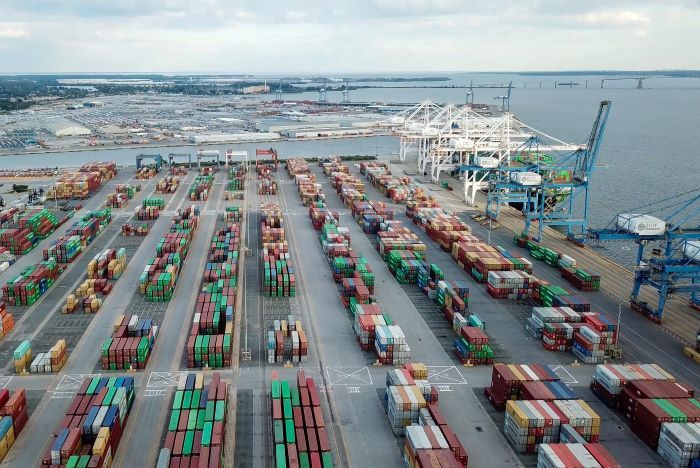
Jonathan Daniels, the executive director of the Port of Baltimore, is leaving his post to take a new position in Miami — closing a brief but historically significant chapter in one of America's busiest harbor cities. Though Daniels spent just over two years leading the port, his tenure will be remembered for one defining moment: guiding Baltimore and its maritime community through the catastrophic collapse of the Francis Scott Key Bridge and the painstaking effort to reopen one of the nation's most critical shipping corridors.
Who Is Jonathan Daniels?
Jonathan Daniels arrived at the Maryland Port Administration with a strong background in port operations and logistics management. His appointment was intended to build on Baltimore's already robust cargo handling infrastructure, strengthen trade relationships, and modernize the port's operational efficiency. Few could have predicted that within his short tenure, he would be called upon to lead a recovery effort of historic proportions — one that drew the attention of federal agencies, international shipping companies, and the national media.
His departure for a new role in Miami signals not only personal career progression but also reflects the high demand for experienced port leadership across the United States, where maritime trade infrastructure has become a priority in the wake of global supply chain disruptions.
The Francis Scott Key Bridge Collapse: A Defining Crisis
The collapse of the Francis Scott Key Bridge sent shockwaves through Maryland, the broader Mid-Atlantic region, and the global shipping industry. The disaster not only claimed lives and devastated a community, but it also physically blocked one of the primary channels used by cargo vessels entering and exiting the Port of Baltimore. The economic stakes were enormous. Baltimore is among the top ports in the United States for handling roll-on/roll-off cargo, including automobiles and farm equipment, making any disruption felt immediately by manufacturers, exporters, and consumers alike.
In the aftermath of the collapse, Daniels became a central figure in coordinating the response. Working alongside state officials, the U.S. Army Corps of Engineers, the Coast Guard, and federal government representatives, his office helped orchestrate the complex logistical challenge of clearing the wreckage from the Patapsco River and restoring navigation for commercial shipping traffic. The effort required not just engineering expertise but also diplomatic coordination, public communication, and the management of competing timelines and stakeholder interests.
Reopening the Port: A Collaborative Achievement
The reopening of the Port of Baltimore following the Key Bridge collapse was celebrated as a testament to what government agencies, private industry, and dedicated leadership can accomplish under pressure. Daniels was credited by state and federal officials alike for his role in keeping the recovery on track, managing public expectations, and ensuring that Baltimore's port could return to full operational capacity as swiftly as possible.
The effort involved round-the-clock operations, the deployment of specialized salvage crews, and extensive environmental monitoring to protect the Chesapeake Bay ecosystem. That the port was able to resume commercial shipping in the months following the collapse — a timeline many initially viewed as optimistic — stands as one of the more remarkable infrastructure recoveries in recent American history.
What Daniels' Departure Means for Baltimore
Daniels' exit raises important questions about continuity of leadership at a port that is still navigating the longer-term aftermath of the Key Bridge disaster. While commercial traffic has resumed, ongoing discussions around infrastructure investment, bridge replacement planning, and port modernization mean that steady, experienced leadership at the Maryland Port Administration remains critically important.
State officials will need to move quickly and thoughtfully in identifying Daniels' successor. The ideal candidate will need to be familiar with the operational realities of a major American port, capable of managing complex interagency relationships, and equipped to continue rebuilding stakeholder confidence in Baltimore as a reliable, world-class shipping hub.
- Baltimore is a top U.S. port for vehicle imports and exports, handling hundreds of thousands of units per year.
- The port supports tens of thousands of jobs across the greater Maryland region.
- Recovery from the Key Bridge collapse required coordination among dozens of state, federal, and private entities.
- Leadership stability is considered essential as Baltimore pursues longer-term infrastructure investment and trade growth.
A New Chapter in Miami
Details about Daniels' new role in Miami have not been fully disclosed, but his move to South Florida places him at another strategically vital node in the American maritime economy. The Port of Miami, known as the "Cargo Gateway of the Americas," handles billions of dollars in international trade annually and serves as a critical link between the United States and Latin American markets. His experience in Baltimore — particularly his crisis management credentials — will likely be a significant asset in any senior port leadership role.
Baltimore's Port Looks Ahead
Despite the leadership transition, the Port of Baltimore's fundamentals remain strong. Its geographic advantages, deep-water channels, and intermodal rail connections make it a competitive choice for global shippers. The work done under Daniels' watch to restore the port's reputation and operational capacity after the Key Bridge crisis provides a solid foundation for whoever steps into the executive director role next.
For now, the port community in Baltimore is acknowledging Daniels' contributions while beginning to look forward — toward new leadership, a replacement bridge, and the continued growth of one of the East Coast's most important maritime gateways.