
US Issues 60-Day Oil License to Iran Amid Ongoing Diplomatic Talks
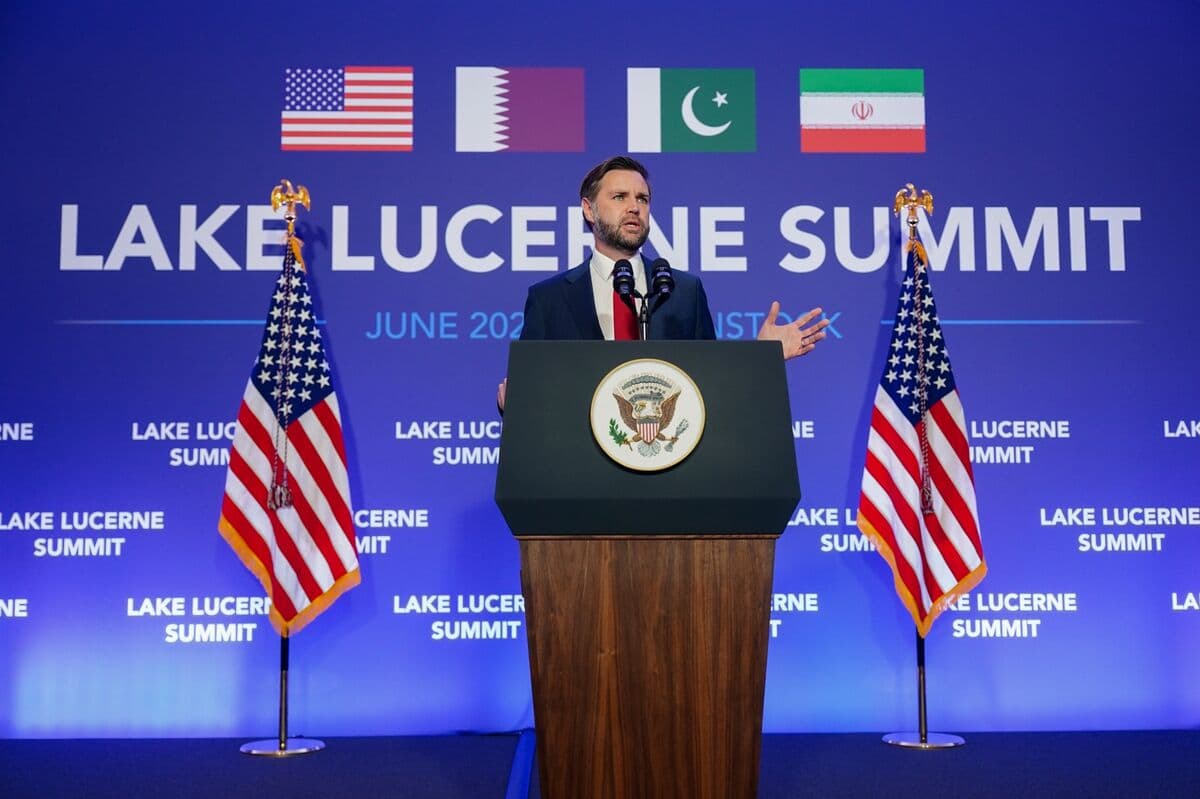
In a significant development in US-Iran relations, the United States has issued a 60-day license permitting Iran to sell oil on the international market. The move provides Tehran with a critical economic lifeline at a time when both nations are actively engaged in negotiations aimed at reaching a permanent peace agreement. The oil waiver signals a carefully calibrated diplomatic gesture, one that analysts say is designed to keep Tehran at the negotiating table while broader geopolitical tensions continue to simmer.
The decision marks one of the most concrete signs of thawing relations between Washington and Tehran in recent years. For Iran, which has long suffered under sweeping economic sanctions that have severely curtailed its oil revenues, the temporary license represents a meaningful, if short-term, reprieve. For the United States, it reflects a pragmatic strategy: offering incremental economic incentives in exchange for sustained diplomatic engagement.
What the Iran Oil Waiver Actually Means
An oil waiver, in this context, refers to a temporary exemption from existing US sanctions that would otherwise prohibit international buyers from purchasing Iranian crude oil. By issuing a 60-day license, Washington has effectively opened a narrow but significant window for Iran to generate revenue from oil exports without triggering the full weight of American sanctions enforcement.
This kind of measure is not without precedent. During earlier phases of diplomacy with Iran — most notably during the negotiations that led to the 2015 Joint Comprehensive Plan of Action (JCPOA) — the US and its allies employed similar tools to build goodwill and incentivize cooperation. The current waiver echoes that approach, offering Tehran tangible economic benefits tied directly to the continuation of good-faith negotiations.
For Iran's economy, which has been battered by years of isolation, inflation, and currency devaluation, even a 60-day window for oil sales can translate into billions of dollars in potential revenue. Oil exports remain the backbone of Iran's national budget, and any sustained access to international markets carries enormous domestic political significance for the Iranian government.
The Broader Context: US-Iran Diplomatic Negotiations
The oil license did not emerge in a vacuum. It comes against the backdrop of ongoing talks between American and Iranian negotiators, reportedly facilitated through intermediaries in the region. Both sides have signaled a cautious willingness to explore the contours of a more permanent arrangement — one that could address long-standing disputes over Iran's nuclear program, its regional influence, and the fate of the broader sanctions architecture.
Previous attempts at a lasting deal — including the collapse of JCPOA negotiations under the Trump administration and the stalled Vienna talks of recent years — have made both parties wary of overcommitting before concrete progress is achieved. The 60-day nature of the current waiver reflects that caution. It is long enough to demonstrate seriousness but short enough to be revoked quickly if talks break down.
From Washington's perspective, the waiver serves a dual purpose. It rewards Iranian restraint and keeps diplomatic channels open, while also sending a message to US allies and adversaries alike that American policy on Iran remains active and engaged. From Tehran's perspective, the license is proof that sustained negotiation can yield practical economic results — an argument the Iranian government can use to justify the talks domestically to a skeptical public.
Reactions From the International Community
The announcement has drawn mixed reactions from the international community. US allies in Europe, who have long urged Washington to pursue diplomatic solutions with Tehran, have largely welcomed the gesture as a constructive step. European nations with strong interests in Iranian energy markets see the waiver as potentially reopening commercial pathways that have been blocked for years.
In contrast, some US allies in the Middle East, particularly those wary of Iranian regional power, have viewed the development with concern. Critics argue that economic relief — even temporary — could embolden Tehran without extracting sufficient concessions on key issues such as uranium enrichment levels, ballistic missile development, and support for regional proxy groups.
Oil markets, meanwhile, took note of the announcement. Iranian crude returning to international markets, even in limited quantities, adds supply to a global market that has faced ongoing volatility. Analysts are watching closely to see whether the 60-day license will be extended or expanded, which would have more pronounced effects on global oil prices and energy supply chains.
Key Issues Still on the Negotiating Table
- Nuclear enrichment limits: The United States and its partners continue to push for binding restrictions on Iran's uranium enrichment capacity, a central sticking point in all prior negotiations.
- Sanctions relief scope: Iran is seeking broad and verifiable sanctions relief, not just temporary waivers, as part of any permanent agreement.
- Regional security concerns: Washington wants assurances regarding Iran's support for armed groups across the Middle East, including in Yemen, Lebanon, Iraq, and Syria.
- Verification mechanisms: Any deal will require robust inspection and verification protocols, a point of contention given Iran's past disputes with the International Atomic Energy Agency (IAEA).
- Timeline for implementation: Both sides must agree on a sequenced roadmap that builds trust incrementally while delivering concrete outcomes for each party.
What Comes Next for US-Iran Relations
The 60-day clock is now ticking. Whether this oil waiver becomes a bridge to something more durable — or simply a temporary pause in a long-running standoff — depends heavily on the pace and substance of talks in the weeks ahead. Negotiators on both sides face significant domestic political pressures. In the United States, critics of engagement with Iran remain vocal and influential. In Iran, hardliners continue to question whether any deal with Washington can ever be trusted or honored.
Still, the issuance of this license is widely seen as a meaningful signal. It suggests that both governments are, at least for now, invested in keeping the diplomatic process alive. The oil waiver offers Iran an economic lifeline — and it offers the broader world a fragile but genuine reason to hope that one of the most consequential and complicated bilateral relationships of the modern era may be edging, however slowly, toward resolution.
As the deadline approaches, all eyes will be on whether the two sides can translate this moment of cautious pragmatism into a more lasting framework — one that addresses the deep mutual distrust that has defined US-Iran relations for decades, while opening the door to a more stable and peaceful regional order.