
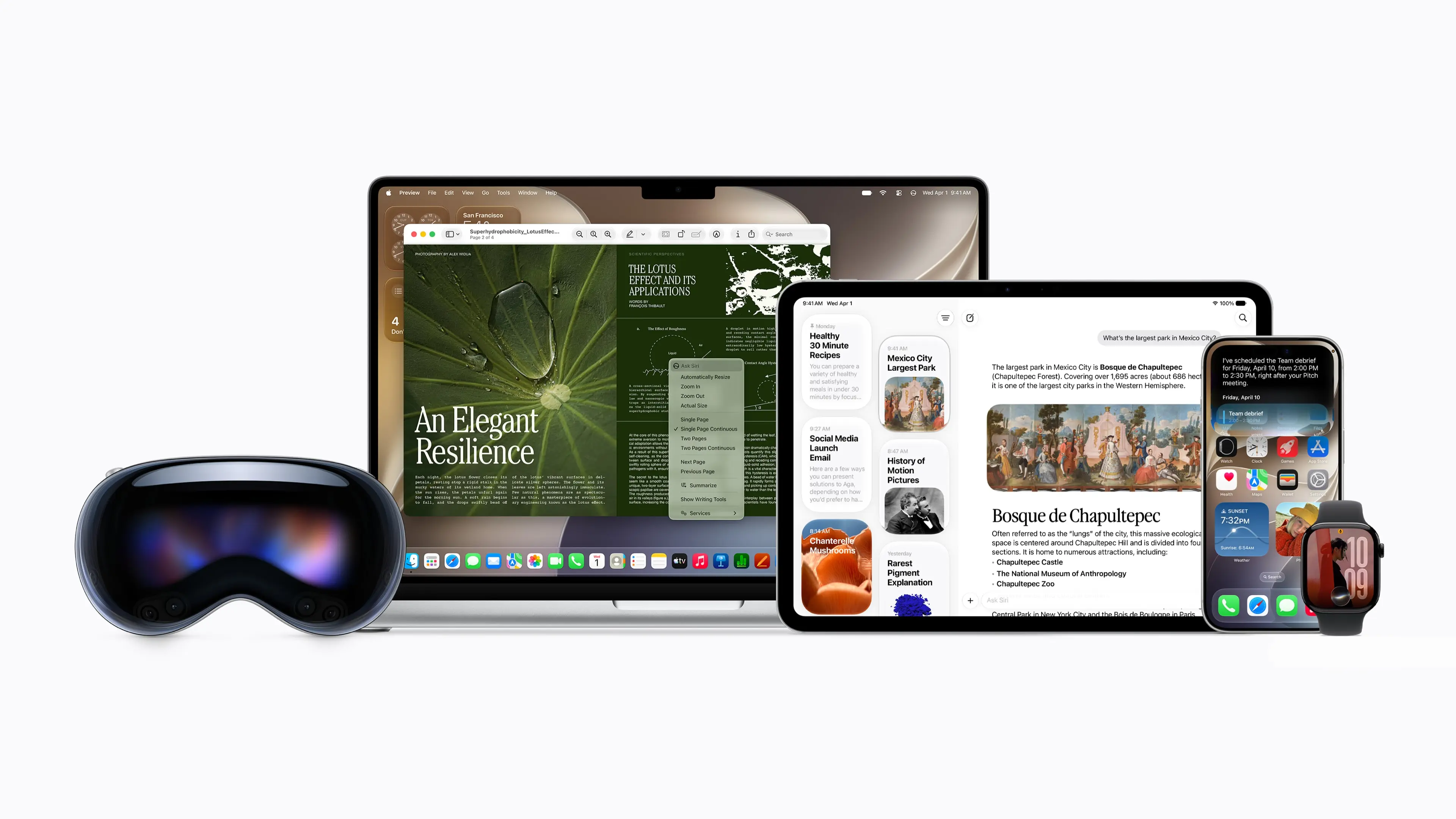
Apple Blocks Siri AI in iOS 27 for EU Users: What You Need to Know
Apple's latest operating system, iOS 27, is shaping up to be one of the most ambitious updates the company has ever released. At the heart of its biggest announcements is a dramatically reimagined Siri powered by advanced artificial intelligence. But if you live in the European Union and were looking forward to experiencing this next-generation assistant on your iPhone or iPad, you're going to be disappointed. Apple has confirmed that EU users will not have access to Siri AI in iOS 27, and the reason comes down to an ongoing regulatory battle with European authorities over the Digital Markets Act.
This situation is not entirely new for Apple in Europe, but the stakes this time feel considerably higher. Siri AI represents the cornerstone of iOS 27, and being shut out of it means EU customers will essentially be receiving a lesser version of the same software that the rest of the world gets to enjoy. Here's a deep dive into what's happening, why it's happening, and what it could mean for the future of Apple products in Europe.
What Is the New Siri AI in iOS 27?
Apple's revamped Siri is no incremental upgrade. With iOS 27, Apple has pushed Siri into the realm of genuinely conversational, context-aware artificial intelligence. The new assistant is designed to understand complex, multi-step requests, interact seamlessly with third-party apps, and carry on nuanced conversations that feel far more natural than anything previous versions of Siri could manage.
Some of the key capabilities of the new Siri AI include:
- Deep app integration: Siri can now take actions inside apps on your behalf, from composing emails to completing online purchases, without requiring you to navigate menus yourself.
- Personal context awareness: The assistant can draw on your calendar, messages, photos, and other personal data to provide responses that are tailored specifically to your life.
- On-device and cloud processing: Apple has worked to balance privacy-respecting on-device computation with more powerful cloud-based responses when needed.
- Natural conversation flow: Unlike older versions, the new Siri maintains context across a conversation, meaning you don't have to repeat yourself or start fresh with every query.
For many users, this transformation of Siri is the single most compelling reason to upgrade to iOS 27. It represents Apple's most serious attempt yet to compete with the likes of Google Gemini, OpenAI's ChatGPT, and Amazon Alexa in the AI assistant space. That makes its absence in the EU all the more significant.
The Digital Markets Act: Apple's Regulatory Headache in Europe
The Digital Markets Act, or DMA, is a sweeping piece of European Union legislation that came into full force in 2024. It targets so-called "gatekeepers" — large technology platforms that dominate digital markets — and imposes a series of obligations designed to promote competition and give users greater choice. Apple, alongside companies like Google, Meta, and Amazon, has been designated as a gatekeeper under the DMA.
The law requires Apple to do things that run deeply against its business model and its philosophy around privacy and security. Among the most contentious requirements are obligations to allow third-party app stores, enable sideloading of apps outside the App Store, and provide interoperability with competing platforms and services. Apple has complied with some of these requirements grudgingly, introducing changes exclusive to the EU version of iOS, but the company and European regulators have clashed repeatedly over whether Apple's compliance is genuine or merely cosmetic.
The dispute over Siri AI appears to stem from concerns about how the new assistant integrates deeply with Apple's own ecosystem of apps and services. Regulators are reportedly worried that a tightly integrated AI assistant could further entrench Apple's dominance and limit opportunities for competing services to gain a foothold on iOS devices. Until these concerns are resolved, Apple says it simply cannot deploy the feature in EU markets without risking further legal complications.
A Pattern of Feature Exclusions in Europe
This is not the first time EU iPhone users have found themselves on the outside looking in when it comes to Apple features. When Apple Intelligence launched as part of iOS 18, the EU was initially left out of that rollout as well, with Apple citing regulatory uncertainty under the DMA. The company eventually brought some Apple Intelligence features to Europe, but only after extended negotiations and delays.
The same story played out with features like the iPhone Mirroring capability and the expanded Home Screen customization options. Apple has been vocal about its frustration, arguing that the DMA's requirements effectively force it to compromise the security and privacy standards it has built its reputation on. European regulators, for their part, maintain that Apple is using privacy concerns as a shield to avoid real competition.
What Does This Mean for EU iPhone and iPad Users?
In practical terms, EU users who update to iOS 27 will find Siri functioning much as it did before — helpful for basic tasks, but lacking the transformative intelligence that makes the new version genuinely exciting. They will be using what is, in effect, a different and lesser product than customers in the United States, the United Kingdom, Australia, and other markets outside the DMA's reach.
This raises uncomfortable questions for Apple customers in Europe. Is it worth upgrading to the latest hardware if flagship software features remain unavailable? And more broadly, does the DMA ultimately hurt European consumers by making it harder for companies to roll out innovative features in the region?
The Bigger Picture: Apple, AI, and European Regulation
The situation with iOS 27 and Siri AI is a microcosm of a much larger tension between Silicon Valley innovation and European regulatory ambition. The EU has positioned itself as the world's most aggressive regulator of Big Tech, and there is genuine merit in many of its goals — ensuring competition, protecting user data, and preventing monopolistic behavior all matter enormously in the digital age.
However, critics argue that the DMA's implementation has created a regulatory environment so complex and adversarial that technology companies are choosing to withhold features from European consumers rather than risk non-compliance penalties. Apple's decision to exclude Siri AI from the EU is, in this reading, less about corporate defiance and more about navigating genuine legal uncertainty.
For now, EU iPhone and iPad users will simply have to wait and see whether Apple and European regulators can reach an accommodation. Given the history of these disputes, a resolution is possible — but it is unlikely to come quickly, and in the meantime, millions of consumers across Europe will be missing out on what may be the most important Apple software feature in years.