
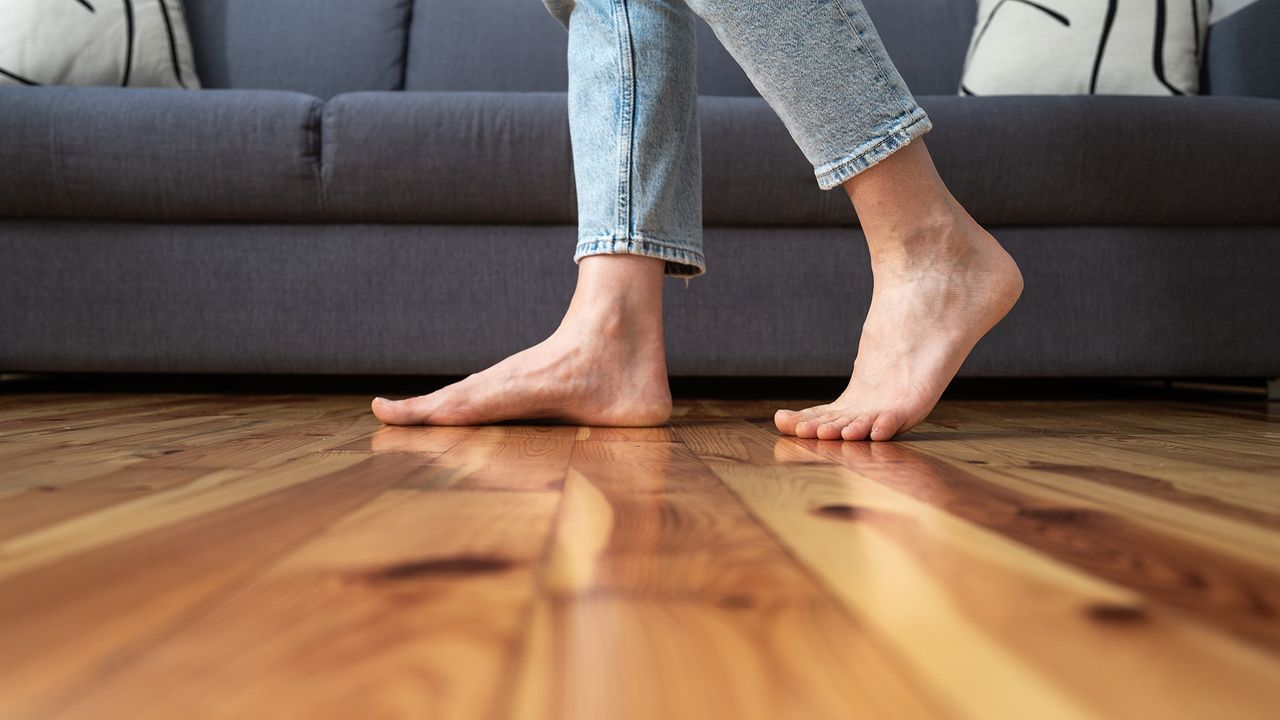
Why Homeowners Are Being Urged to Stop Using White Vinegar on Floors
White vinegar has long been celebrated as a miracle household cleaner. It's cheap, widely available, and carries an all-natural reputation that makes it feel like a responsible choice. From countertops to coffee makers, many homeowners reach for that familiar bottle almost instinctively. But when it comes to flooring, cleaning experts and flooring professionals are issuing a clear and urgent warning: white vinegar can do far more harm than good, and in many cases, the damage it causes is permanent.
If you've been using diluted white vinegar to mop your floors under the assumption that it's a safe, effective cleaner, this article is essential reading. Understanding why vinegar is problematic — and what you should be using instead — could save you from a costly flooring replacement down the line.
The Science Behind the Problem: What Makes Vinegar So Damaging?
White vinegar is an acid. Specifically, it contains acetic acid, typically at a concentration of around 5%. While that percentage sounds modest, it's more than enough to cause serious harm to a wide range of flooring materials over time. The core issue is that acid reacts with the protective coatings, surface finishes, and even the structural materials of most floor types — stripping them away rather than simply cleaning them.
Each time you mop with vinegar, you're not just removing dirt. You're also dissolving the very layers designed to protect your floor from everyday wear, moisture, and scratches. The degradation may be slow and subtle at first, but the cumulative effect can leave your floors looking dull, feeling rough, and structurally compromised.
How White Vinegar Damages Different Types of Flooring
Hardwood Floors
Hardwood flooring is arguably the most vulnerable to vinegar damage. Most hardwood floors are finished with polyurethane or similar protective coatings that are highly sensitive to acidic cleaners. When vinegar contacts this finish repeatedly, it breaks it down at the molecular level, causing it to cloud, peel, and lose its protective properties. Once the finish is compromised, moisture can penetrate the wood itself, leading to warping, swelling, and discoloration. Refinishing hardwood floors is expensive — often costing hundreds to thousands of dollars — making prevention absolutely critical.
Laminate Flooring
Many homeowners assume laminate flooring is more forgiving, but that's not necessarily the case. Laminate is constructed with a printed surface layer sealed beneath a clear protective coating. Acetic acid from vinegar can degrade this coating and, if it seeps into the seams between planks, it can swell and damage the core material underneath. This leads to bubbling, warping, and an irreversibly aged appearance that no amount of cleaning will reverse.
Stone and Tile Flooring
Natural stone floors — including marble, limestone, travertine, and slate — are calcium-based, which makes them chemically reactive to acids. White vinegar will etch the surface of these stones, leaving dull, rough patches that permanently alter the appearance of the floor. Even a single cleaning session can cause visible damage on polished marble. Ceramic and porcelain tiles are slightly more resistant, but the grout lines between them are highly porous and acid-sensitive, meaning vinegar can eat away at grout over time, leading to crumbling and discoloration.
Vinyl and LVT Flooring
Luxury vinyl tile (LVT) and standard vinyl flooring have become increasingly popular due to their durability and affordability. However, while vinyl itself can tolerate occasional mild acid exposure, the wear layer on top — which provides that glossy, scratch-resistant finish — can be degraded by repeated vinegar use. Over time, floors cleaned regularly with vinegar will begin to look faded and lose their protective sheen, making them more susceptible to damage from everyday foot traffic.
Common Myths About Vinegar as a Floor Cleaner
- Myth: Diluting vinegar makes it safe. Dilution reduces the concentration of acetic acid but does not eliminate its corrosive properties. Repeated use of even a weak vinegar solution will still cause cumulative damage over months and years.
- Myth: Natural means safe. Many naturally occurring substances are harmful. The fact that vinegar is derived from fermented liquid doesn't make it chemically inert or floor-friendly.
- Myth: If it removes grime, it must be working. Vinegar does break down some types of dirt and grease, but the same chemical action that lifts grime also attacks your floor's finish. Short-term cleanliness is not worth long-term structural damage.
- Myth: It works fine on my floors because I haven't noticed any damage. Much of the damage from vinegar is gradual and becomes apparent only after months or years of use, by which time significant deterioration has already occurred.
What You Should Use Instead
The good news is that there are plenty of safe, effective alternatives to white vinegar for cleaning floors. The right choice depends on your specific flooring type.
- Hardwood floors: Use a pH-neutral hardwood floor cleaner specifically formulated for use with wood finishes. Brands like Bona are widely recommended by flooring professionals. Always use a slightly damp mop rather than a wet one.
- Laminate floors: A small amount of dish soap mixed in warm water works well, or you can use a laminate-specific cleaner. Again, avoid excess moisture.
- Stone and tile floors: Opt for a pH-neutral stone cleaner for natural stone, and use a mild detergent solution for ceramic or porcelain tile. Never use anything acidic — that includes lemon juice, which is similarly harmful.
- Vinyl and LVT floors: A mild dish soap and warm water solution, or a vinyl-specific floor cleaner, will clean effectively without damaging the protective layer.
Protecting Your Investment Starts With the Right Cleaner
Flooring is one of the most significant investments in any home. Whether you have gleaming hardwood, elegant stone, or practical laminate, the way you clean those surfaces has a direct impact on their longevity, appearance, and value. Using the wrong cleaner — even one with a wholesome, natural reputation like white vinegar — can accelerate wear and result in costly repairs or full replacements far earlier than necessary.
Experts are unanimous on this point: ditch the vinegar when it comes to your floors. A small shift in your cleaning routine, swapping that bottle of white vinegar for a pH-appropriate floor cleaner, can make an enormous difference in the long-term health of your flooring. Your floors will look better, last longer, and thank you for it.